How to Choose Accessories that Promote Safety and Preventive Care in Pets
Why Every Pet Owner in Nigeria Should Rethink Their Furry Friend’s Gear
From the bustling streets of Lagos to the quieter neighborhoods of Abuja, more Nigerian households are welcoming dogs, cats, and other companions into their families. But with this growing trend comes a critical question many pet parents overlook: are the collars, leashes, and carriers you’re using actually keeping your pet safe?
Choosing the right pet safety accessories isn’t just about style or convenience. It’s about preventing accidents, avoiding health complications, and ensuring your furry companion thrives in Nigeria’s unique climate and environment. With Nigeria’s tropical heat, unpredictable rainy seasons, and often chaotic traffic conditions, pets face a distinct set of challenges that many imported or poorly manufactured accessories simply aren’t designed to handle.
The Hidden Risks of Poorly Chosen Pet Gear
Did you know that ill-fitted collars can cause tracheal damage, while low-quality leashes often snap during walks near busy roads? These are real dangers pet owners face daily, often without realizing it. Veterinary clinics across major cities like Port Harcourt and Ibadan report a steady stream of cases linked directly to substandard pet equipment, from skin irritations caused by cheap synthetic materials to injuries from collars that dig into a pet’s neck as it grows.
Understanding how to keep pets safe starts with recognizing common accessory mistakes:
- Using leashes that fray or break under pressure
- Choosing collars without reflective strips for evening walks
- Ignoring size adjustments as pets grow or gain weight
- Skipping identification tags in case of separation
These oversights might seem minor, but they carry consequences that ripple far beyond a single walk gone wrong. A pet that slips its collar near a busy Lagos expressway, for instance, faces genuine danger, and the absence of an identification tag could mean the difference between a joyful reunion and a permanent loss.
What This Article Will Cover
This guide dives into preventive care for pets through smart accessory choices. You’ll discover the best pet safety gear available, practical tips for selecting durable pet safety equipment, and how the right accessories for pet health can save you costly veterinary bills down the line. We’ll also examine how climate-appropriate materials, proper sizing techniques, and locally available options compare to imported alternatives, giving you a well-rounded understanding of what truly works within the Nigerian context.
Ready to transform how you protect your pet? Let’s explore the essentials every responsible owner needs to know.
CHECK OUT: Essential Accessories for Pet Health and Well-Being: The Role of Hygiene and Care Products
# Understanding the Foundation: Collars, Harnesses, and Leashes That Actually WorkBefore diving into fancy gadgets or trendy pet accessories flooding markets in Computer Village or Balogun Market, it’s essential to master the basics. The foundation of any solid pet safety equipment collection starts with three items: collars, harnesses, and leashes. Get these wrong, and everything else becomes irrelevant.
Collars: The First Line of Defense
A collar seems simple enough, but it’s often the most misunderstood piece of pet safety accessories owners purchase. The two-finger rule remains the gold standard: you should be able to slip two fingers comfortably between the collar and your pet’s neck. Anything tighter risks choking or skin abrasions; anything looser invites escape.
Material matters tremendously in Nigeria’s climate. Leather collars, while durable, tend to crack and harden under intense heat and humidity, particularly during dry season winds sweeping through Kano and Sokoto. Nylon webbing, treated with weather-resistant coatings, generally performs better across Nigerian conditions, resisting mold growth during rainy months while remaining flexible in heat.
Harnesses: Reducing Strain, Increasing Control
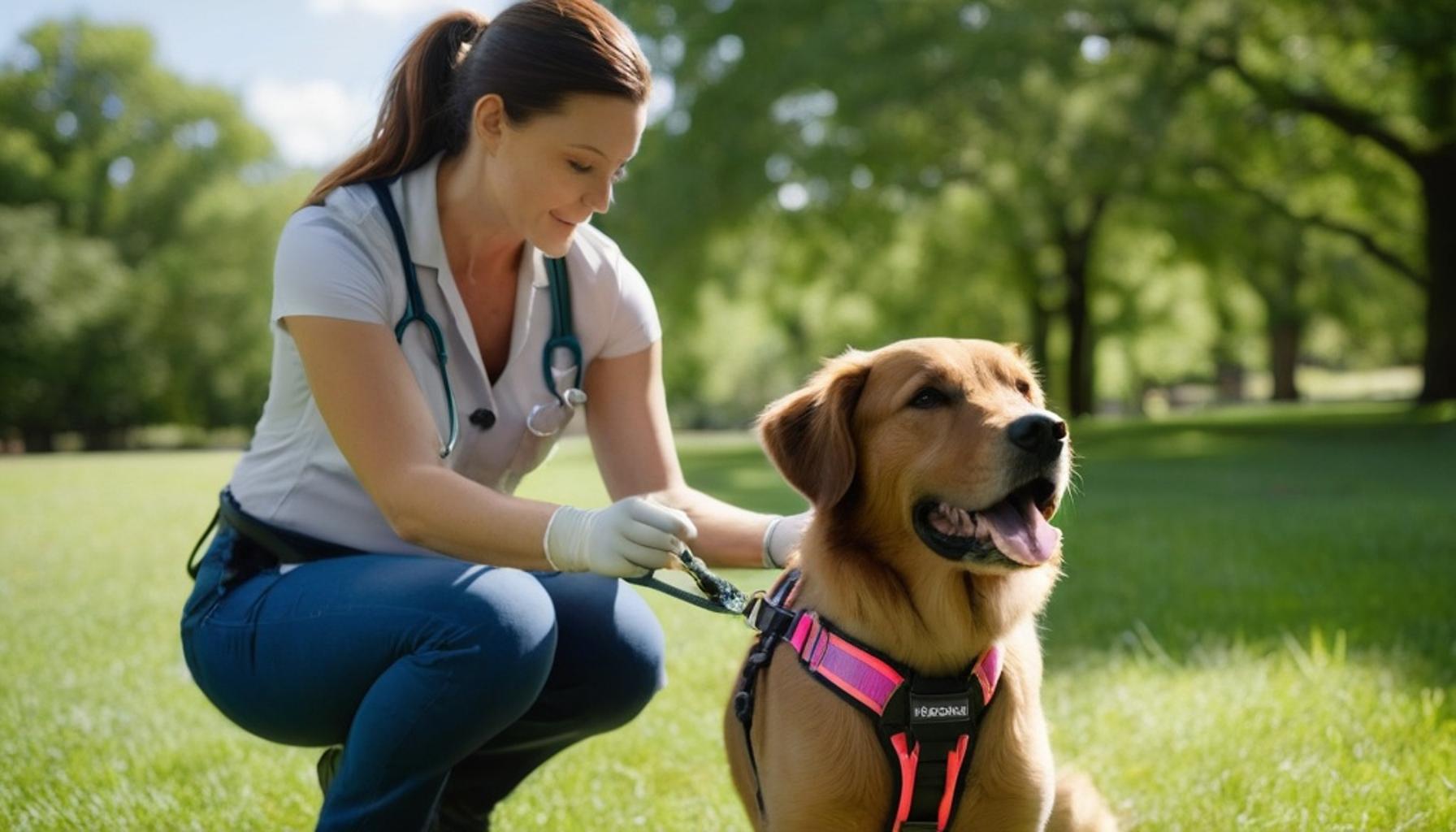
For many Nigerian dog breeds, especially larger ones like Boerboels or Caucasian Shepherds becoming increasingly popular for home security, harnesses offer superior preventive care for pets compared to standard collars. They distribute pressure across the chest rather than concentrating it on the neck, significantly reducing tracheal injury risks.
When selecting a harness, consider these critical factors:
- Padded chest plates that prevent chafing during extended walks
- Adjustable straps accommodating growth or seasonal weight fluctuations
- Breathable mesh panels for Nigeria’s humid coastal regions like Calabar or Warri
- Reinforced D-rings tested for pulling force, not just decorative attachments
Veterinarians increasingly recommend harnesses for puppies still developing bone structure, since collar pressure during this growth phase can cause lasting spinal or neck complications.
Leashes: Your Pet’s Lifeline in Traffic
Anyone who’s witnessed the chaotic dance of vehicles, motorcycles, and pedestrians on Lagos roads understands why leash quality isn’t negotiable. A leash represents the physical connection between your control and your pet’s safety, especially near unpredictable traffic patterns common throughout Nigerian cities.
Retractable leashes, though convenient, often fail dangerously near roads since they allow pets to dart forward before owners can react. Fixed-length leashes, ideally between four and six feet, provide better how to keep pets safe practices during urban walks. Look for reinforced stitching at stress points and clips rated for at least double your pet’s body weight in pulling force.
LEARN MORE: Training and Behavior Accessories: How the Right Equipment Can Improve Your Pet’s Obedience and Well-Being
# Beyond the Basics: Identification, Tracking, and Health-Monitoring ToolsOnce collars, harnesses, and leashes are sorted, the next layer of protection involves technology and identification systems that many Nigerian pet owners overlook entirely. These additions transform basic containment into comprehensive preventive care for pets.
Identification Tags: Your Pet’s Voice When Lost
Nigeria’s dense urban sprawl, from Ibadan’s winding streets to Abuja’s expanding suburbs, makes losing a pet distressingly easy. A sturdy identification tag remains one of the cheapest yet most effective pet safety accessories available, often costing less than a bowl of jollof rice at a local buka.
Engraved metal tags outperform plastic alternatives, resisting fading from sun exposure and repeated handling. Include a working phone number, and consider adding a secondary contact since network issues plague MTN, Glo, and Airtel users intermittently across different regions.
Microchipping: The Silent Backup Plan
Tags can fall off, but microchips remain embedded permanently, offering a failsafe that veterinary clinics in Lagos and Port Harcourt increasingly recommend. This rice-grain-sized device, inserted beneath the skin, stores identification information scannable by any compatible reader.
While still gaining traction across Nigeria compared to Western countries, microchipping represents smart accessories for pet health investment, particularly for valuable breeds or pets prone to wandering during Owambe celebrations when gates stay open longer than usual.
GPS Trackers: Real-Time Peace of Mind
For owners wanting immediate location data rather than relying on chance encounters, GPS-enabled collar attachments provide constant tracking through smartphone apps. These devices prove particularly valuable in areas bordering forests or bush land, where pets might wander further than city dwellers typically expect.
Battery life varies significantly between models, so prioritize trackers rated for at least five days of continuous use, especially given Nigeria’s inconsistent electricity supply affecting charging routines.
Reflective Gear and Visibility Accessories
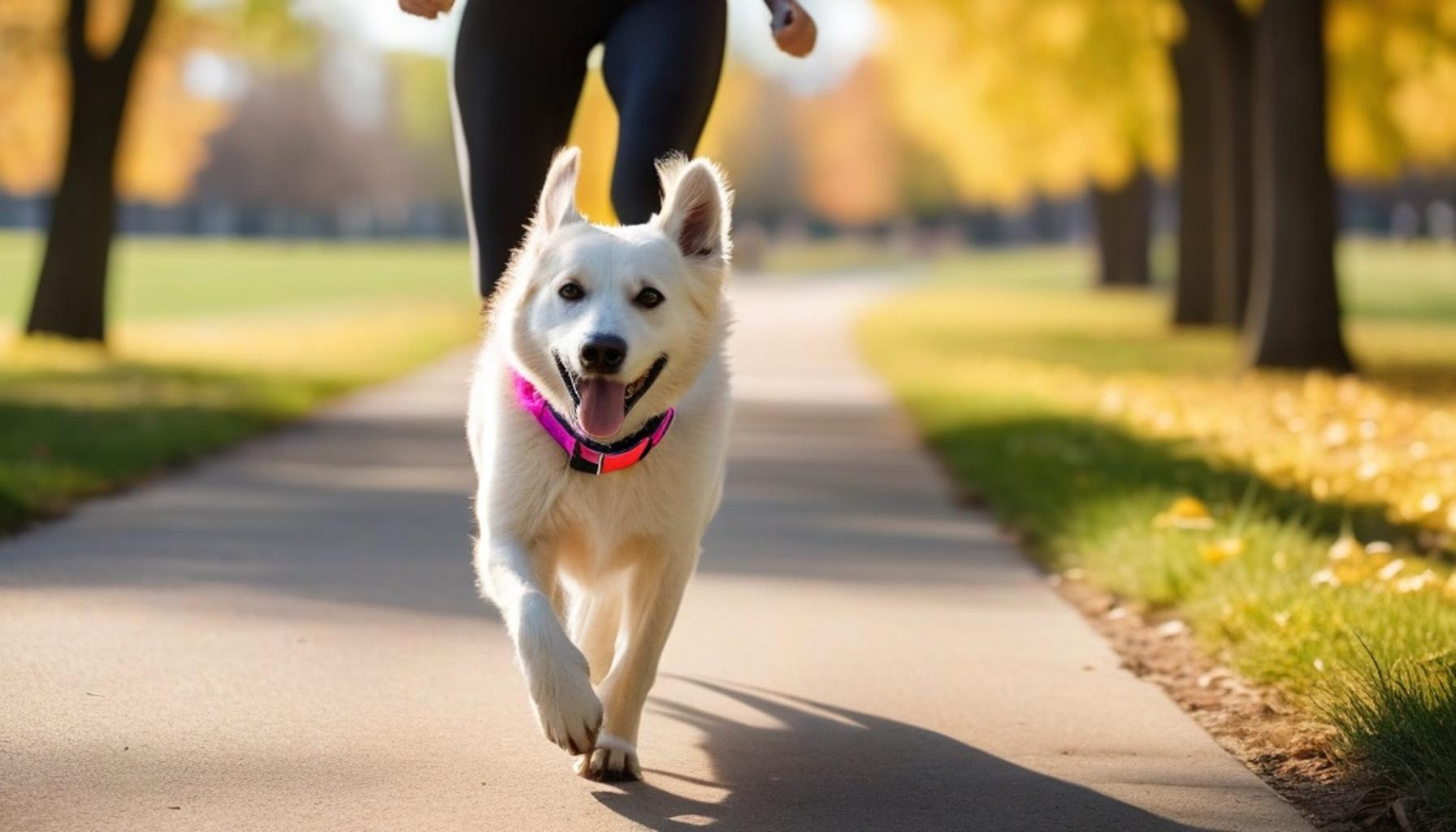
Evening walks near areas without streetlights, common throughout many Nigerian neighborhoods, demand visibility solutions. Reflective vests, LED collar attachments, and light-up leashes dramatically reduce accident risks when darkness falls suddenly around 6:30pm year-round near the equator.
Consider these visibility essentials:
- Reflective strips sewn into harnesses, visible from at least 100 meters
- USB-rechargeable LED collar lights lasting through extended power outages
- High-visibility colors like neon yellow or orange for daytime traffic awareness
Understanding how to keep pets safe extends beyond physical restraint into visibility and identification systems working together as a comprehensive safety network rather than isolated purchases.
Building a Safety Net Worth Trusting
Choosing the right pet safety accessories is never a one-time purchase decision. It’s an ongoing commitment that evolves alongside your pet’s age, environment, and daily habits, whether they’re navigating Lekki’s busy roads or a quiet compound in Enugu.
From properly fitted harnesses and durable leashes to microchips and reflective gear, each layer serves a distinct purpose. Together, they form a system rather than a checklist of isolated items.
What Nigerian Pet Owners Should Remember
Climate, terrain, and urban density across Nigeria demand accessories built for local realities, not imported assumptions. A collar suited for temperate European winters may fail under Lagos humidity or Kano’s dust-heavy dry season.
Prioritizing preventive care for pets means thinking ahead: identification tags before a pet wanders off, reflective strips before nightfall catches you unprepared, and GPS trackers before an Owambe gathering leaves gates open too long.
- Inspect and replace worn equipment regularly, not just when it breaks
- Match every accessory to your pet’s size, breed, and daily routine
- Combine physical restraint tools with identification and visibility solutions
Investing in Long-Term Wellbeing
The best pet safety gear isn’t necessarily the most expensive option available in Victoria Island pet boutiques. It’s the gear that fits correctly, functions reliably, and addresses your specific environment’s challenges.
As awareness around accessories for pet health continues growing across Nigerian cities, owners who invest thoughtfully now will likely spend less on emergency veterinary visits, search efforts, or replacement gear later.
Ultimately, understanding how to keep pets safe requires viewing accessories as extensions of responsible ownership rather than optional add-ons, ensuring every walk, gathering, and quiet evening at home remains worry-free.
Frequently Asked Questions
What are the most important pet safety accessories for dogs walked on busy Nigerian streets?
Reflective collars and leashes are essential since many Nigerian roads lack proper street lighting, making your dog visible to motorists at night. A sturdy harness also gives you better control near heavy traffic areas like Lagos or Abuja markets. Adding an ID tag with your phone number helps anyone find you quickly if your pet gets lost in crowded areas.
How do I choose pet safety accessories that can handle Nigeria’s hot and humid climate?
Look for accessories made from breathable materials like mesh or nylon rather than heavy leather, which can trap heat and cause discomfort or skin irritation. Cooling vests and lightweight harnesses help prevent heatstroke during Nigeria’s dry season when temperatures soar. Always check that any accessory has good ventilation and doesn’t restrict your pet’s ability to pant and cool down naturally.
Are GPS trackers worth buying for pet safety in Nigeria given the unreliable network coverage?
GPS trackers can still be valuable in Nigeria, but choose ones that work well with local networks like MTN or Airtel and have offline location memory features. In areas with poor connectivity, a tracker combined with a physical ID tag gives you backup options if your pet wanders off. It’s best to test the tracker’s signal strength in your specific neighborhood before relying on it fully.
What preventive care accessories should I get to protect my pet from ticks and fleas common in Nigeria?
Flea and tick collars treated with safe insecticides are a practical first step, especially if your pet spends time outdoors in grassy or bushy areas. You should also consider tick-repellent sprays or spot-on treatments recommended by a local veterinarian, since Nigeria’s warm climate supports year-round parasite activity. Regularly inspecting your pet’s fur and using these accessories consistently reduces the risk of tick-borne diseases.

Beatriz
Beatriz Johnson is a seasoned pet care expert and writer with a passion for simplifying the complexities of pet ownership and animal well-being. With over a decade of experience in the field, she specializes in topics like pet nutrition, training techniques, and health care. Through her work on our website, Beatriz empowers pet owners to make informed decisions and provide the best possible care for their furry friends, ensuring happy and healthy lives for their beloved companions.