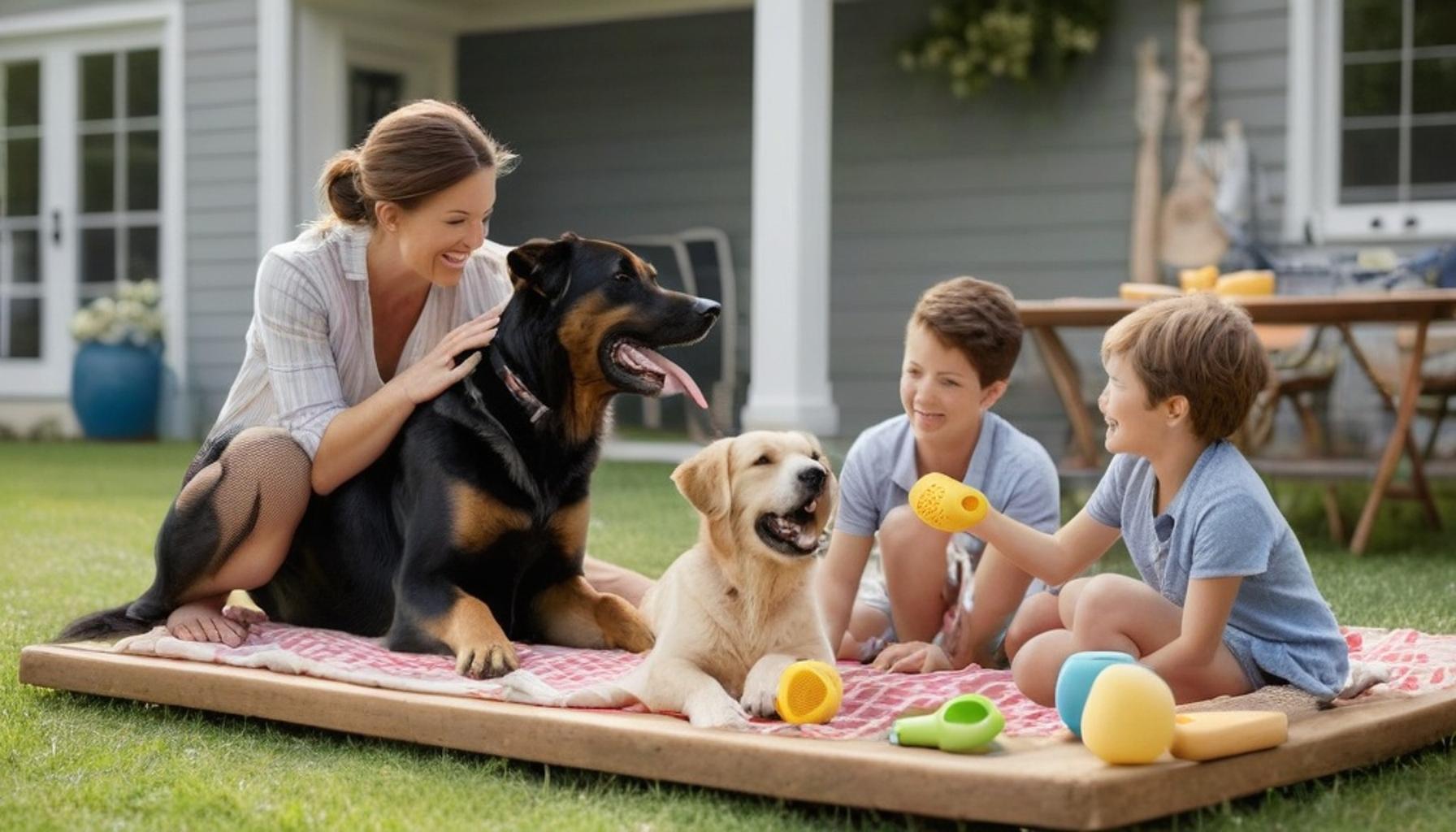
Training and Behavior Accessories: How the Right Equipment Can Improve Your Pet’s Obedience and Well-Being
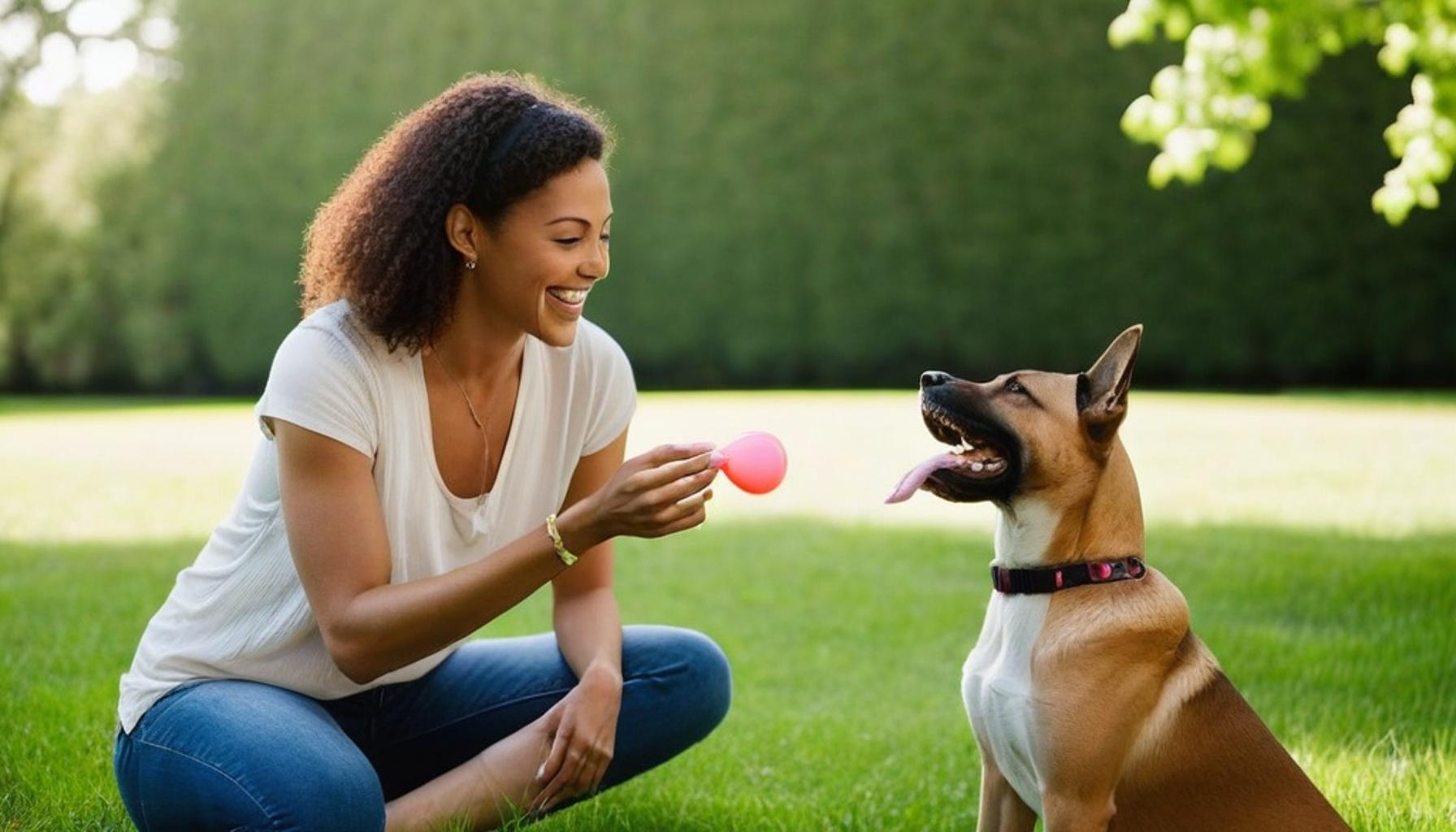
Why Every Pet Owner in Nigeria Needs the Right Training Gear
From the bustling streets of Lagos to the quiet compounds of Enugu, more Nigerian households are welcoming dogs and cats into their families. Estate compounds in Abuja, family bungalows in Ibadan, and even small apartments in Port Harcourt now echo with the pitter-patter of paws. But raising a well-behaved pet takes more than affection alone. Pet training accessories have become essential tools for shaping good habits and ensuring safety, especially as urban living spaces grow tighter and interactions with neighbours, market crowds, and okada riders become part of daily pet life.
Many pet owners struggle with jumping, excessive barking, or leash pulling. Some dogs bark endlessly at generator noise or unfamiliar visitors, while others tug so hard on walks that owners are left with sore arms and frustrated tempers. Surprisingly, the solution often lies not in endless scolding but in choosing the right equipment that communicates clearly with the animal.
The Science Behind Behavior Improvement Equipment
Veterinary behaviorists agree that pet behavior improvement equipment can reduce stress-related actions by reinforcing positive habits rather than punishing negative ones. Studies on canine training suggest that consistent, tool-assisted routines can improve obedience response rates by over 60%, a statistic that should interest any Nigerian household juggling work, school runs, and pet care simultaneously.
This is where understanding dog obedience training tools becomes crucial for Nigerian pet parents navigating busy urban environments. A well-chosen harness or clicker can mean the difference between a stressful evening walk through Yaba traffic and a calm, controlled stroll.
What You’ll Discover in This Guide
- How training collars and leashes influence walking discipline, especially in crowded Nigerian neighbourhoods
- The role of clickers and treat pouches in positive reinforcement, and why timing matters more than volume of treats
- Choosing the best pet training supplies for tropical climates, considering heat, humidity, and durability
- Practical steps on how to train your dog using minimal equipment, ideal for budget-conscious households
- Affordable pet obedience accessories available across Nigerian markets, from Lagos pet stores to Kano suppliers
Whether you own a curious puppy in Abuja or a rescued street dog in Port Harcourt, the right tools make training faster and more humane. Beyond convenience, proper equipment also protects pets from heat exhaustion, escape attempts, and dangerous encounters with traffic. Let’s explore how smart equipment choices can transform your pet’s obedience and overall well-being, one practical decision at a time.
SEE ALSO: Essential Accessories for Pet Health and Well-Being: The Role of Hygiene and Care Products
# Understanding the Core Tools Every Nigerian Pet Owner Should Know
Before wandering into any pet shop in Balogun Market or browsing an online store based in Lagos, it helps to understand exactly what falls under the umbrella of pet training accessories. These are not luxury items reserved for pampered pets abroad; they are practical tools designed to make communication between humans and animals clearer and less stressful for both parties.
At its core, this category includes collars, leashes, harnesses, clickers, treat pouches, and crates. Each item serves a distinct purpose, and understanding these differences prevents owners from wasting money on the wrong equipment. Many first-time pet owners across Abuja, Port Harcourt, and Ibadan admit they purchased items based purely on price or appearance, only to discover months later that the tool was mismatched to their pet’s temperament or breed.
Training Collars and Leashes: The Foundation of Walking Discipline
Ask any dog owner in Ikeja or Wuse about their biggest walking frustration, and leash pulling almost always tops the list. This is precisely why training collars and leashes remain the most searched-for category among Nigerian pet parents.
Standard flat collars work fine for calm pets, but dogs with strong pulling instincts often benefit from front-clip harnesses that redirect their momentum without choking them. Slip leads, popular among market traders who handle multiple dogs, offer quick control but require careful handling to avoid injury. Veterinarians in Lagos have increasingly warned against using choke chains on puppies still developing their tracheal structure, noting a rise in throat-related complaints during routine check-ups.
Consider these common options available in Nigerian pet stores:
- Flat collars – ideal for basic identification and light leash work
- No-pull harnesses – recommended for strong breeds like Boerboels or Caucasian Shepherds common in estate compounds
- Slip leads – useful for quick control during vet visits or grooming sessions
- Retractable leashes – convenient for open compounds but risky in crowded Lagos streets
Choosing incorrectly can worsen behavior rather than improve it. A harness fitted too loosely, for instance, allows dogs to slip free near busy junctions, a genuine safety concern given Nigeria’s chaotic traffic patterns. Pet trainers in Abuja often recommend measuring a dog’s chest and neck twice before purchase, since sizing charts from foreign manufacturers do not always translate accurately to breeds commonly raised in West Africa.
Why Fit Matters More Than Brand Names
Interestingly, many Nigerian pet owners fixate on imported brand names, assuming higher cost guarantees better performance. However, local trainers argue that proper fitting and material durability matter far more than logos, especially given Nigeria’s humid climate, which can quickly degrade cheaply made nylon or synthetic leather.
Clickers, Treats, and the Psychology of Positive Reinforcement
Beyond physical restraint tools, pet behavior improvement equipment increasingly includes clickers and treat pouches designed for positive reinforcement training. The clicker method relies on precise timing rather than repetition, teaching pets to associate a distinct sound with rewarded behavior.
Research from animal behavior institutes indicates that pets trained using clicker-based positive reinforcement retain commands nearly twice as long compared to punishment-based methods. This matters significantly for Nigerian households where consistency can be challenging amid unpredictable work schedules and frequent travel.
Treat pouches, though seemingly minor, solve a practical problem: keeping rewards accessible during walks through busy neighbourhoods without fumbling through pockets while holding leashes and market bags simultaneously. Some Lagos-based trainers have begun incorporating locally available treats, such as small pieces of dried fish or boiled liver, arguing that familiar scents encourage faster learning than imported commercial treats, which pets sometimes find unfamiliar or unappealing.
As awareness grows, more Nigerian pet owners are beginning to see these tools not as optional extras but as essential investments, ones that shape not just obedience, but the overall wellbeing and safety of animals navigating an increasingly urbanized environment.
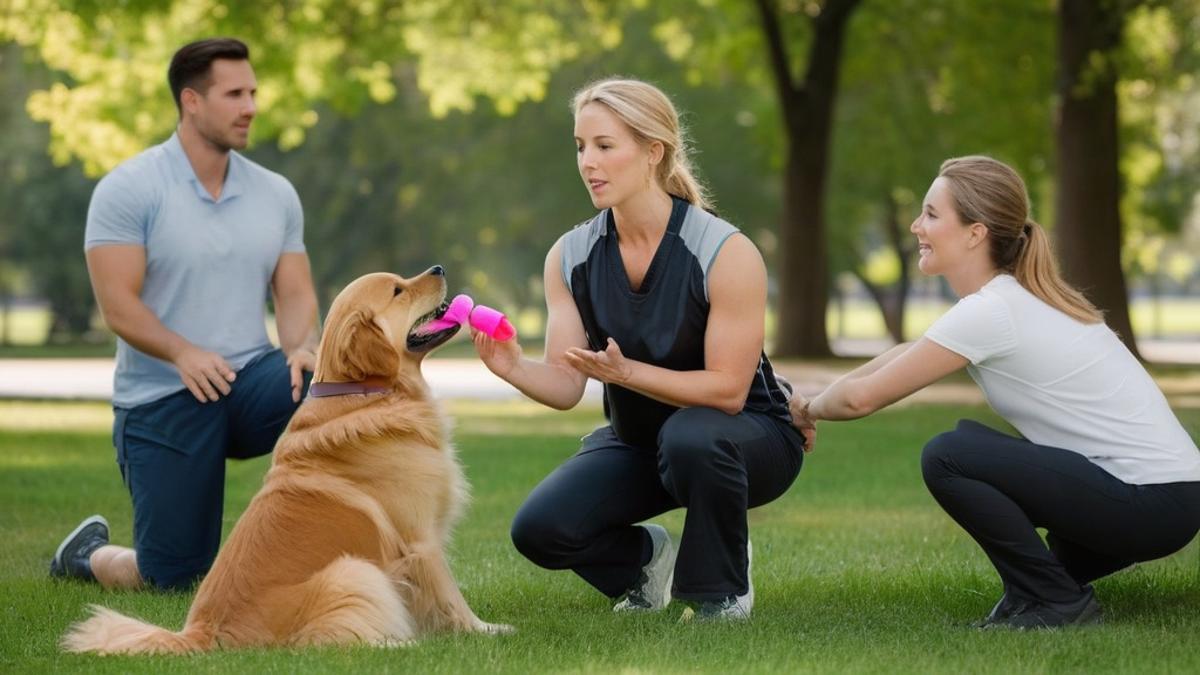
Training and Behavior Accessories: Key Categories at a Glance
Before diving deeper into pet training accessories, here’s a quick overview of the essential equipment categories that shape successful dog obedience training tools strategies and long-term behavioral outcomes.
| Category | Key Benefit |
|---|---|
| Training Collars & Leashes | Improve leash control and reduce pulling by up to 70% with proper fit |
| Clickers & Treat Pouches | Reinforce positive behavior instantly, speeding up how to train your dog effectively |
| Puzzle & Enrichment Toys | Reduce anxiety and destructive habits through mental stimulation |
| Crates & Barriers | Establish safe boundaries, essential pet obedience accessories for home training |
| Calming Aids | Support emotional regulation as part of pet behavior improvement equipment |
Selecting from the best pet training supplies available today isn’t just about convenience, it’s about creating a structured environment where your pet can thrive, learn faster, and feel genuinely secure.
CHECK OUT: How to Choose Safety Accessories for Pets: Tips to Protect Your Animal Indoors and Outdoors
Crates, Puzzle Feeders, and the Rise of Structured Confinement Training
Walk through any veterinary clinic in Lekki or Maitama, and you will likely hear staff recommending crate training to anxious new pet owners. Crates remain one of the most misunderstood items among pet training accessories, often dismissed as cruel confinement when, in reality, properly introduced crates provide dogs and cats with a sense of security similar to a den.
Nigerian households with limited indoor space, particularly in high-density areas like Surulere or Aba, benefit from crate training because it establishes boundaries without requiring extensive square footage. A crate sized correctly, allowing the pet to stand, turn, and lie down comfortably, teaches self-regulation and reduces destructive chewing during unsupervised hours.
Veterinary behaviorists note that the transition period matters just as much as the crate itself. Introducing the space gradually, starting with short intervals during daylight hours and pairing entry with a favorite treat, prevents the whining and scratching that often discourage first-time owners. Rushing this process, on the other hand, tends to create negative associations that can take weeks to reverse.
Puzzle feeders and slow-release treat balls represent another category gaining traction among urban pet owners seeking pet behavior improvement equipment that addresses mental stimulation rather than physical restraint alone. Dogs left alone for long stretches while owners commute through Lagos traffic often develop anxiety-driven behaviors, including excessive barking or furniture destruction.
Consider how these tools address specific behavioral gaps:
- Puzzle feeders – slow down fast eaters prone to bloating, a common issue among Nigerian-bred dogs fed rice-heavy diets
- Snuffle mats – engage a dog’s natural foraging instinct, reducing boredom-related barking
- Interactive treat balls – keep pets occupied during Friday prayers or extended market visits when owners cannot supervise directly
- Kong-style chew toys – redirect teething puppies away from household items like slippers and electrical cables
What makes these tools particularly relevant in the Nigerian context is their ability to substitute for the free-roaming exercise many pets historically received in rural compounds. As urbanization pushes more households into apartments and gated estates, dogs accustomed to wandering are suddenly confined, and mental stimulation devices help bridge that gap without demanding additional outdoor space.
Matching Equipment to Local Living Conditions
Unlike suburban homes in Europe or North America, many Nigerian compounds house multiple pets alongside chickens, goats, or children playing freely. This changes how trainers recommend selecting dog obedience training tools, since equipment must withstand rougher outdoor conditions and frequent handling by different family members.
Durability testing conducted by pet supply retailers in Nigeria shows that rubber-based chew toys last significantly longer than plastic alternatives when exposed to direct sunlight and dust common during dry season months. This detail matters practically, since replacing cheap equipment every few weeks costs more over time than investing in sturdier options initially.
Retailers in Abuja and Port Harcourt have also observed rising demand for weatherproof storage solutions for these accessories, since leaving puzzle feeders or crates exposed to harmattan dust or sudden rainfall shortens their lifespan considerably. Simple habits, such as wiping down equipment weekly and storing items indoors overnight, extend usability well beyond manufacturer expectations.
Learning How to Train Your Dog Using the Right Combination of Tools
Understanding how to train your dog effectively rarely depends on a single accessory. Instead, trainers across Nigeria emphasize combining tools strategically, pairing a properly fitted harness with clicker reinforcement, then gradually introducing puzzle feeders as the pet masters basic commands.
Pet obedience accessories work best when introduced sequentially rather than all at once. Overwhelming a puppy with unfamiliar equipment often backfires, producing confusion rather than compliance. Experienced trainers in Enugu suggest introducing one new tool weekly, allowing pets adequate time to associate each item with positive outcomes before adding further complexity.
This layered approach also allows owners to identify which tools genuinely suit their pet’s temperament, since not every dog responds identically to the same accessory. A high-energy breed navigating a busy household in Ibadan may thrive with puzzle feeders and long walks, while a more anxious rescue dog might need the predictability of crate training before anything else is introduced. Recognizing these individual differences, rather than following a one-size-fits-all formula, often determines whether structured training succeeds or stalls entirely.
Building a Foundation That Lasts Beyond the Training Phase
The conversation around pet training accessories in Nigeria is shifting from luxury purchase to practical necessity. As more families move into apartments in Lekki, gated estates in Abuja, or compact flats in Enugu, the tools once considered optional now function as essential bridges between a pet’s natural instincts and the realities of urban living.
What emerges from examining crates, puzzle feeders, harnesses, and clicker systems is a clear pattern: no single accessory solves every behavioral challenge. Effective pet behavior improvement equipment works cumulatively, addressing physical needs, mental stimulation, and emotional security in layers rather than isolation.Nigerian pet owners investing in best pet training supplies should prioritize durability given local weather conditions, appropriateness for multi-pet or multi-generational households, and gradual introduction over rushed implementation.
A crate purchased in haste, or training collars and leashes fitted incorrectly, often causes more setbacks than the absence of equipment altogether.Perhaps the most valuable insight involves timing and sequencing. Trainers from Ibadan to Port Harcourt consistently point toward introducing one tool at a time, observing the pet’s response, then adjusting accordingly. This measured approach respects each animal’s individual temperament rather than forcing standardized solutions onto diverse breeds and personalities.
Looking ahead, demand for pet obedience accessories will likely continue rising alongside Nigeria’s expanding pet ownership culture, particularly as more households transition away from free-roaming compound life toward confined urban spaces. Owners who understand how to train your dog using thoughtfully selected equipment, rather than relying on punishment or improvisation, position their pets for calmer, more predictable behavior long-term.Ultimately, the right combination of dog obedience training tools does more than correct unwanted behavior. It builds trust between pet and owner, creates structure within unpredictable environments, and acknowledges that obedience and well-being are not separate goals but interconnected outcomes worth pursuing together.
Frequently Asked Questions
What are the most essential pet training accessories for a first-time dog owner in Nigeria?
A sturdy leash, a well-fitted collar or harness, a clicker, and treat pouches are the basic pet training accessories every new dog owner in Nigeria should start with. These tools help you establish clear communication and reward good behavior right from the start. As your pet grows more obedient, you can add specialized items like long training leads or interactive puzzle toys.
Where can I buy quality pet training accessories in Lagos or Abuja without overspending?
Pet stores in major markets like Yaba and Wuse, as well as online platforms such as Jumia and Konga, often stock affordable pet training accessories including clickers, harnesses, and training treats. Comparing prices across a few vendors and looking out for seasonal sales can help you get durable equipment without breaking your budget. Local pet expos also occasionally offer discounted training gear from verified sellers.
Can training collars or harnesses cause harm if used incorrectly on my pet?
Yes, improperly fitted training collars or harnesses can cause discomfort, skin irritation, or even injury to your pet’s neck and chest area. It is important to choose the correct size and style for your pet’s breed and always introduce new pet training accessories gradually with positive reinforcement. Consulting a local vet or professional trainer in Nigeria can help ensure you’re using the equipment safely.
Do puzzle toys and interactive feeders actually improve a pet’s behavior over time?
Yes, puzzle toys and interactive feeders stimulate your pet’s mind, reducing boredom-related issues like excessive barking, chewing, or digging that are common among pets left alone during long work hours in Nigeria. These pet training accessories reward patience and problem-solving, which reinforces calmer, more focused behavior. Consistent use alongside basic obedience training often leads to noticeable improvements within a few weeks.
How do I choose the right training accessories for a puppy versus an adult dog?
Puppies generally need lightweight, adjustable harnesses and softer training treats since their bodies and jaws are still developing, while adult dogs can handle sturdier leashes and more advanced tools like remote training collars if necessary. Always match the pet training accessories to your pet’s age, size, and temperament rather than choosing generic options. If unsure, a local veterinarian or certified trainer in Nigeria can recommend age-appropriate gear.

Beatriz
Beatriz Johnson is a seasoned pet care expert and writer with a passion for simplifying the complexities of pet ownership and animal well-being. With over a decade of experience in the field, she specializes in topics like pet nutrition, training techniques, and health care. Through her work on our website, Beatriz empowers pet owners to make informed decisions and provide the best possible care for their furry friends, ensuring happy and healthy lives for their beloved companions.