
The Importance of Balanced Nutrition for the Health of Dogs and Cats: Feeding Tips and Disease Prevention

Why What Your Pet Eats Matters More Than You Think
Across homes in Lagos, Abuja, and Port Harcourt, more Nigerians are welcoming dogs and cats into their families than ever before. Yet many pet owners still underestimate one critical factor that determines whether their furry companions thrive or merely survive: balanced nutrition for dogs and cats.
Feeding leftovers, table scraps, or generic feed might seem harmless. However, veterinarians warn this habit is silently fueling a rise in preventable illnesses among pets nationwide. In many households, pets are treated as extensions of the family, sharing jollof rice, bones, or fried snacks without a second thought. What seems like an act of love could, in reality, be shortening their lifespan.
The Hidden Cost of Poor Feeding Habits
Malnutrition in pets doesn’t always look obvious. It can hide behind dull coats, low energy, or frequent trips to the vet clinic. A dog that seems “fine” on the outside may already be developing internal complications that surface only after years of poor feeding choices.
- Obesity from excess carbohydrates and inappropriate treats
- Weak immunity leading to frequent infections
- Digestive issues caused by low-quality or expired feed
- Skin and coat problems linked to nutrient deficiencies
These issues often trace back to one root cause: an imbalance in daily meals. In Nigeria’s hot and humid climate, improperly stored feed can also spoil faster, introducing toxins that worsen digestive and liver problems over time. Many pet owners are unaware that a bag of dog food left open in a warm kitchen for weeks may already be compromised, even if it looks and smells normal.
What This Article Will Uncover
This piece explores practical dog nutrition tips and essential guidance on cat health and diet tailored for pet owners navigating Nigeria’s unique climate and food availability. You’ll discover why feeding pets balanced meals isn’t a luxury—it’s a necessity, regardless of whether you own a German Shepherd guarding a compound in Kaduna or a local breed cat curled up in a Lagos apartment.
We’ll also examine how proper diet plays a direct role in preventing diseases in pets, from kidney complications to heart conditions. Veterinary clinics in major Nigerian cities report a steady increase in diet-related consultations, many of which could have been avoided with early nutritional awareness.
Understanding the importance of pet nutrition could be the difference between a pet living six years or sixteen. It could also mean fewer emergency vet bills, healthier energy levels, and a stronger bond between you and your animal companion.
Ready to transform your pet’s health from the inside out? Let’s dive into what truly belongs on their plate.
LEARN MORE: Nutrition for Puppies: How to Ensure Healthy Growth and Prevent Health Issues
Building the Foundation: What Balanced Nutrition Actually Means
Before diving into feeding schedules or brand recommendations, it helps to understand what balanced nutrition for dogs and cats truly involves. It’s not simply about filling a bowl until your pet stops looking hungry. It’s about supplying the right combination of nutrients in proportions that match their species, age, size, and activity level.
Dogs and cats are biologically different creatures with distinct dietary requirements. Cats, for instance, are obligate carnivores. Their bodies depend heavily on animal protein and specific nutrients like taurine, which they cannot produce sufficiently on their own. Dogs, on the other hand, are more flexible omnivores, but that flexibility doesn’t mean they thrive on rice and stew alone.
The Core Nutrients Every Pet Needs
Veterinary nutritionists generally agree on five essential nutrient categories that must appear in every meal, whether homemade or commercial:
- Protein for muscle repair, growth, and a healthy immune system
- Fats for energy, brain function, and a shiny, healthy coat
- Carbohydrates for digestible energy, though in smaller quantities than protein
- Vitamins and minerals for bone strength, organ function, and metabolic balance
- Clean water for digestion, temperature regulation, and kidney health
Missing even one of these categories over an extended period can trigger noticeable health decline. A cat deprived of adequate taurine, for example, risks developing serious heart complications years down the line. A dog fed excessive carbohydrates without enough protein may build fat instead of muscle, setting the stage for joint problems later in life.
What makes this even more pressing is how gradual these deficiencies can be. A pet owner might not notice anything wrong for months, since the early signs, like slightly duller fur or a bit less energy during playtime, are easy to dismiss as normal behavior. By the time symptoms become obvious, such as unexplained weight loss or lethargy, the underlying nutritional gap may have already caused lasting damage. This is precisely why veterinarians encourage routine check-ups rather than waiting for visible illness before taking dietary concerns seriously.
Age also plays a significant role in determining nutritional needs. A growing puppy or kitten requires considerably more protein and calcium than a senior dog or cat, whose metabolism has slowed and whose joints may need extra support instead. Feeding an adult diet to a young, rapidly developing animal, or vice versa, can create imbalances that affect growth patterns or accelerate age-related decline.
Why Nigerian Pet Owners Face Unique Challenges
Feeding pets balanced meals in Nigeria comes with its own set of hurdles. Imported premium pet food can be expensive and, in some cities, difficult to find consistently. This pushes many households toward cheaper alternatives or human food substitutes that don’t meet a pet’s actual biological needs.
Local markets in cities like Ibadan and Enugu often sell pet feed without clear nutritional labeling, making it harder for owners to verify quality. Add to this the tropical climate, which accelerates spoilage, and you have a recipe for nutritional gaps that quietly build over months or years.
There is also a cultural dimension worth noting. In many Nigerian households, pets are still fed leftover meals meant for humans, such as heavily seasoned stews, bones from soup, or excess garri. While well-intentioned, this practice often introduces excess salt, spices, or bones that can cause internal injury or long-term organ strain, issues that a store-bought, nutritionally balanced feed would typically avoid.
Understanding these core building blocks is the first step toward preventing diseases in pets before they start. The next sections will break down exactly how to translate this knowledge into daily feeding routines that work within Nigerian realities.
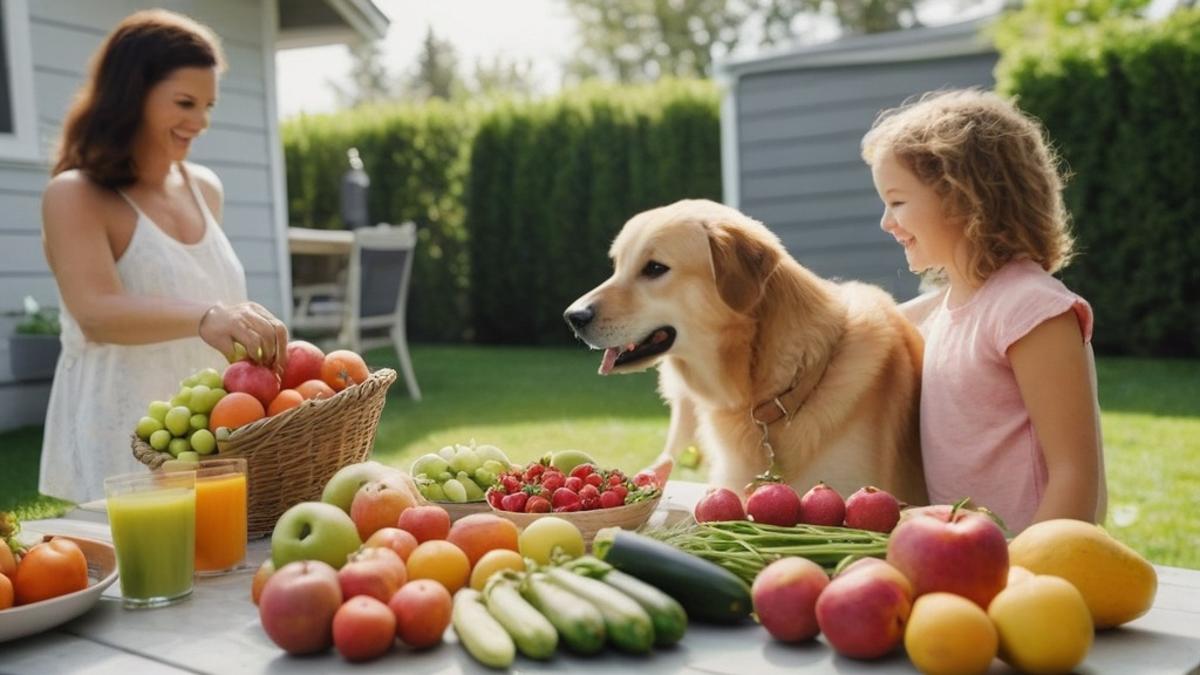
Key Aspects of Balanced Nutrition for Dogs and Cats
| Category | Key Insight |
|---|---|
| Protein & Fat Balance | Balanced nutrition for dogs and cats requires high-quality protein and healthy fats to sustain muscle mass and energy levels. |
| Feeding Schedules | Consistent dog nutrition tips include portion control and regular meal times to avoid obesity. |
| Disease Prevention | Preventing diseases in pets starts with diets low in processed additives and rich in essential nutrients. |
| Cat-Specific Needs | Cat health and diet depend heavily on taurine and animal-based proteins for heart and eye function. |
| Long-Term Wellness | The importance of pet nutrition extends to joint health, immune strength, and longer lifespan. |
CHECK OUT: Natural Feeding for Pets: Benefits and Recommendations for a Healthy Lifestyle
# Practical Feeding Strategies That Prevent Disease Before It StartsKnowing what nutrients matter is only half the equation. The other half involves translating that knowledge into daily habits that actually protect your pet’s long-term health. This is where many well-meaning Nigerian pet owners stumble, not from lack of care, but from lack of practical guidance.
Portion Control: The Overlooked Disease Preventer
Overfeeding has quietly become one of the most common health threats facing dogs and cats in urban Nigerian homes. As more households shift toward sedentary indoor pets, especially in apartment-heavy cities like Lagos, obesity rates among cats and dogs have climbed noticeably.
An overweight cat faces significantly higher risks of diabetes and joint deterioration, while an overweight dog is more prone to hip dysplasia and heart strain. The fix isn’t complicated, but it does require discipline. Measuring food portions based on your pet’s weight, age, and activity level, rather than eyeballing a bowl, makes a measurable difference within weeks.
A practical rule many veterinarians suggest is dividing daily food into two or three smaller meals rather than one large serving. This supports better digestion and helps regulate blood sugar levels, particularly important for older pets already at risk of metabolic issues.
Reading Labels Like a Vet Would
Not all pet food sold across Nigerian markets carries the same nutritional value, even when packaging looks similar. Learning to check for a few key indicators can protect your pet from subtle, long-term harm.
- Look for a named protein source listed first, such as chicken or fish, rather than vague terms like “meat by-product”
- Avoid feeds with excessive fillers like corn or wheat as primary ingredients
- Check for added taurine specifically for cat food
- Confirm the feed is labeled appropriately for life stage: puppy, adult, or senior
These small checks form the backbone of effective dog nutrition tips and cat health and diet planning, especially when premium options remain limited in certain regions.
Supplementing Wisely, Not Excessively
Some Nigerian pet owners, upon learning about nutrient gaps, swing toward the opposite extreme: over-supplementing with calcium powders, vitamin syrups, or bone meal without veterinary guidance. This can be just as damaging as deficiency.Excess calcium in growing puppies, for instance, has been linked to skeletal abnormalities. The safer approach involves consulting a veterinarian before introducing any supplement, then using it only to fill a specific, diagnosed gap rather than as a blanket solution.
Hydration: The Quiet Factor Behind Kidney Health
Nigeria’s heat accelerates water loss in pets far more than owners typically realize. Cats, especially those fed primarily dry kibble, often don’t drink enough water on their own, which contributes to concentrated urine and, over time, kidney strain.
Placing multiple water bowls around the house, and refreshing them at least twice daily during hot months, is a simple habit that supports long-term kidney function. This single adjustment plays a bigger role in preventing diseases in pets than many owners assume.
Conclusion: Building a Healthier Future for Nigerian Pets, One Meal at a Time
Across this article, one truth stands out clearly: balanced nutrition for dogs and cats is not a luxury reserved for wealthy households or foreign breeds. It is a foundational responsibility that determines whether a pet thrives for fifteen years or struggles with preventable illness far earlier than necessary.
From understanding protein and taurine requirements to mastering portion control and label reading, the importance of pet nutrition reveals itself in small, consistent choices rather than dramatic overhauls. Nigerian pet owners don’t need imported miracle products; they need awareness, consistency, and a willingness to consult veterinarians before making drastic dietary changes.
What This Means Going Forward
Feeding pets balanced meals should become as routine as vaccinations or deworming schedules. The two work together, not separately, since even the best medical care cannot fully compensate for years of nutritional gaps.
As Nigeria’s pet ownership culture continues evolving, particularly in urban centers where dogs and cats increasingly live indoors, the conversation around preventing diseases in pets through diet deserves far more attention than it currently receives.
Simple habits, measuring portions accurately, checking ingredient labels, prioritizing hydration, and applying practical dog nutrition tips and cat health and diet principles, can collectively add years of vitality to a pet’s life.
Ultimately, every bowl filled with intention is an investment. Owners who take feeding seriously today are far less likely to face costly veterinary emergencies tomorrow, making thoughtful nutrition one of the simplest yet most powerful tools available for protecting the animals sharing our homes.

Beatriz
Beatriz Johnson is a seasoned pet care expert and writer with a passion for simplifying the complexities of pet ownership and animal well-being. With over a decade of experience in the field, she specializes in topics like pet nutrition, training techniques, and health care. Through her work on our website, Beatriz empowers pet owners to make informed decisions and provide the best possible care for their furry friends, ensuring happy and healthy lives for their beloved companions.