
Essential Accessories for Dog and Cat Nutrition and Hygiene
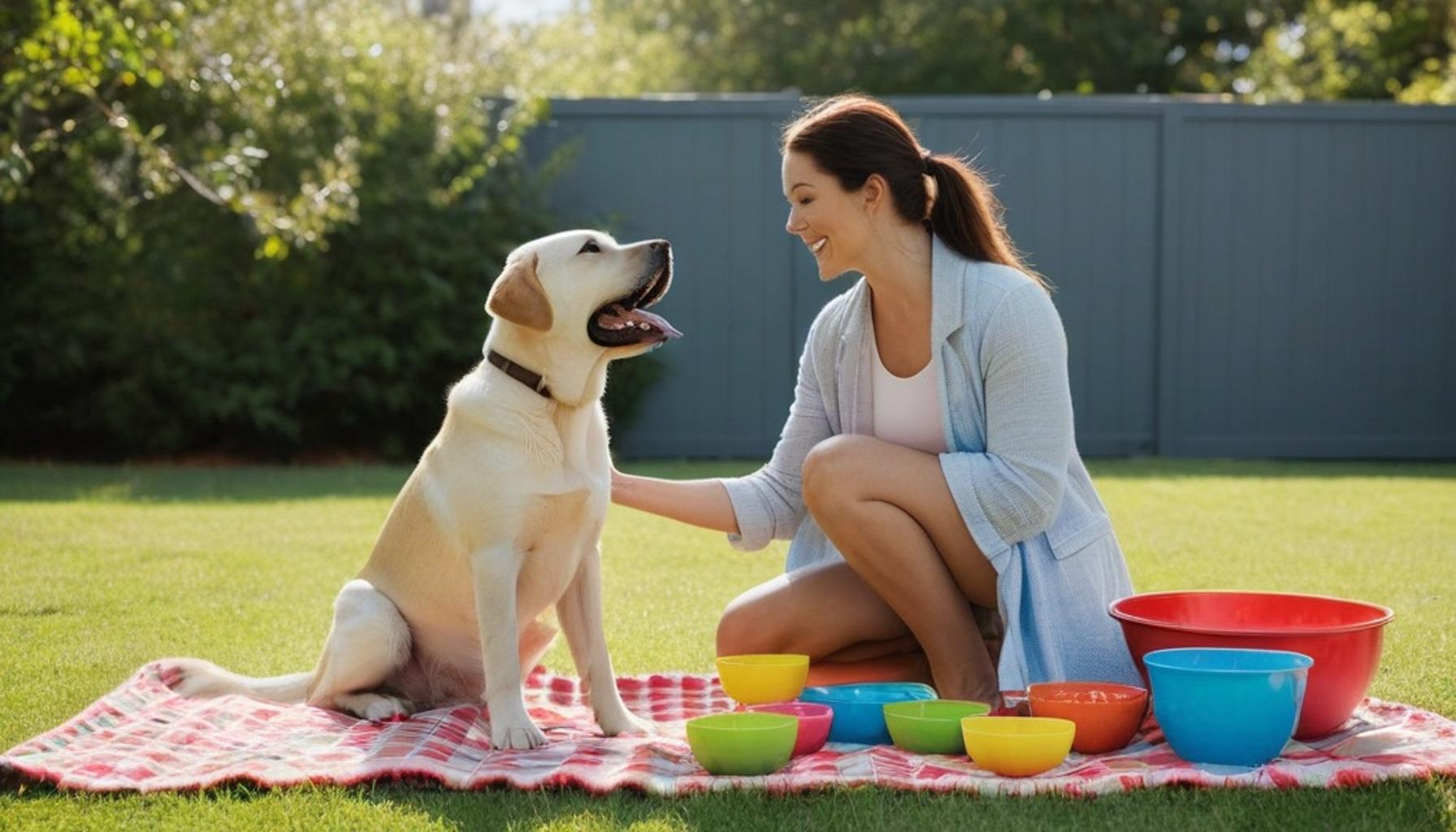
Feeding and Grooming Your Pet: Where to Begin?
From bustling Lagos apartments to quiet compounds in Enugu, more Nigerian households are welcoming dogs and cats as family members. But raising a healthy pet goes beyond food and affection alone.
The right dog and cat nutrition accessories can transform daily care routines, making feeding time cleaner and hygiene simpler to maintain.
Why These Accessories Matter
Many pet owners focus only on food quality, forgetting that pet hygiene tools and feeding equipment play an equally important role. A poorly chosen bowl or an outdated brush can affect your pet’s health over time. In cities like Port Harcourt and Abuja, where temperatures often soar past 30 degrees, the wrong equipment can quickly become a hidden source of discomfort or illness for your furry companion.
- Dog nutrition products like slow-feeder bowls reduce bloating risks
- Cat feeding accessories such as elevated stands support better digestion
- Pet grooming supplies prevent skin infections and matting
- Water fountains encourage proper hydration, especially during Nigeria’s hot seasons
Veterinary experts across Africa increasingly recommend investing in essential pet products as a preventive health measure, not just a convenience. This shift in mindset reflects a broader trend seen in countries with established pet care industries, where owners now treat grooming and feeding tools as necessities rather than luxuries.
Consider, for instance, how humidity and dust common in many Nigerian regions can worsen skin conditions in dogs with thick coats, such as German Shepherds or Rottweilers, breeds increasingly popular among households seeking guard dogs. Without proper brushing tools, these animals can develop mats that trap moisture and bacteria, leading to costly veterinary visits.
What This Article Covers
This guide explores the must-have items every pet owner should consider, from feeding tools to grooming essentials. We’ll break down practical options available locally, their benefits, and how to choose wisely based on your pet’s breed, size, and lifestyle.
We’ll also examine budget-friendly alternatives sold in local pet stores versus premium imported options, helping you understand what genuinely impacts your pet’s wellbeing versus what’s simply marketing.
Whether you’re a first-time pet parent or looking to upgrade your current setup, understanding these accessories can save money and prevent health issues. Small, informed decisions today, like choosing a slow-feeder bowl or a proper grooming brush, could mean fewer vet bills and a happier, healthier companion tomorrow. Let’s dive into what truly makes a difference.
RECOMMENDED: How to Choose Accessories that Promote Safety and Preventive Care in Pets
Choosing the Right Feeding Bowls and Stations
Walk into any pet store in Lagos or Ibadan today, and you’ll notice something interesting: the plastic bowl that once dominated Nigerian homes is slowly losing ground. Stainless steel and ceramic options are taking over shelves, and there’s a good reason behind this shift.
Plastic bowls scratch easily, harbor bacteria in those grooves, and some cheaper versions contain chemicals that leach into food over time. For pet owners serious about dog and cat nutrition accessories, this small detail matters more than most realize.
Material Matters More Than You Think
Stainless steel bowls resist rust, don’t retain odors, and can be sanitized thoroughly, an important factor given Nigeria’s warm climate, which accelerates bacterial growth in leftover food or water. Ceramic bowls, while heavier and less portable, offer similar hygiene benefits and often come in designs that suit indoor aesthetics.
Beyond material, the shape and function of feeding equipment can influence your pet’s health significantly. Consider these options when selecting dog nutrition products:
- Slow-feeder bowls with raised ridges that force dogs to eat gradually, reducing bloating and vomiting common in breeds like Labradors
- Elevated feeding stands that ease neck strain in larger dogs and senior pets with joint issues
- Non-slip base bowls ideal for energetic puppies that tend to push their dishes around while eating
- Portion-control dispensers that help manage weight in cats prone to overeating
For cats specifically, whisker fatigue is a lesser-known issue affecting feeding comfort. Narrow, deep bowls press against sensitive whiskers, causing stress during meals. Wide, shallow plates solve this problem, and they’re increasingly available among cat feeding accessories sold in Nigerian pet shops.
Local veterinarians across major cities have started echoing this concern during routine checkups, encouraging pet parents to inspect bowl depth as carefully as they inspect food labels. It’s a shift in mindset that mirrors broader changes happening in pet care culture nationwide, where owners are beginning to treat feeding equipment as an extension of their pet’s overall wellness rather than a mere household accessory.
Price points for these upgraded feeding tools vary widely, with basic stainless steel bowls starting affordably at neighborhood pet supply stores, while designer ceramic sets or elevated stations with adjustable heights sit at a premium. Regardless of budget, the underlying message from veterinary professionals remains consistent: the vessel your pet eats and drinks from directly affects digestion, joint comfort, and even long-term behavioral patterns around mealtime anxiety.
Water Access Deserves Equal Attention
Hydration often gets overlooked, yet it’s just as critical as food quality. In cities like Kano and Port Harcourt, where daytime heat can be relentless, standing water in open bowls warms quickly and attracts dust or insects.
Pet water fountains address this by keeping water circulating and cooler for longer periods. Cats, in particular, are naturally drawn to moving water, a trait linked to their wild ancestry, making fountains more effective at encouraging regular drinking than static bowls.
Some fountain models even incorporate multi-stage filtration systems, removing hair, debris, and odors that might otherwise discourage a finicky cat from drinking enough throughout the day. For dog owners managing multiple pets, larger capacity fountains reduce the need for constant refilling, an advantage during Nigeria’s hotter months when water evaporation and consumption both increase noticeably.
Investing in these essential pet products isn’t about luxury; it’s about aligning feeding routines with what actually supports your pet’s biology and local environmental conditions. As more Nigerian households welcome dogs and cats into daily family life, these seemingly small equipment choices are quietly becoming part of a larger conversation about responsible, informed pet ownership.
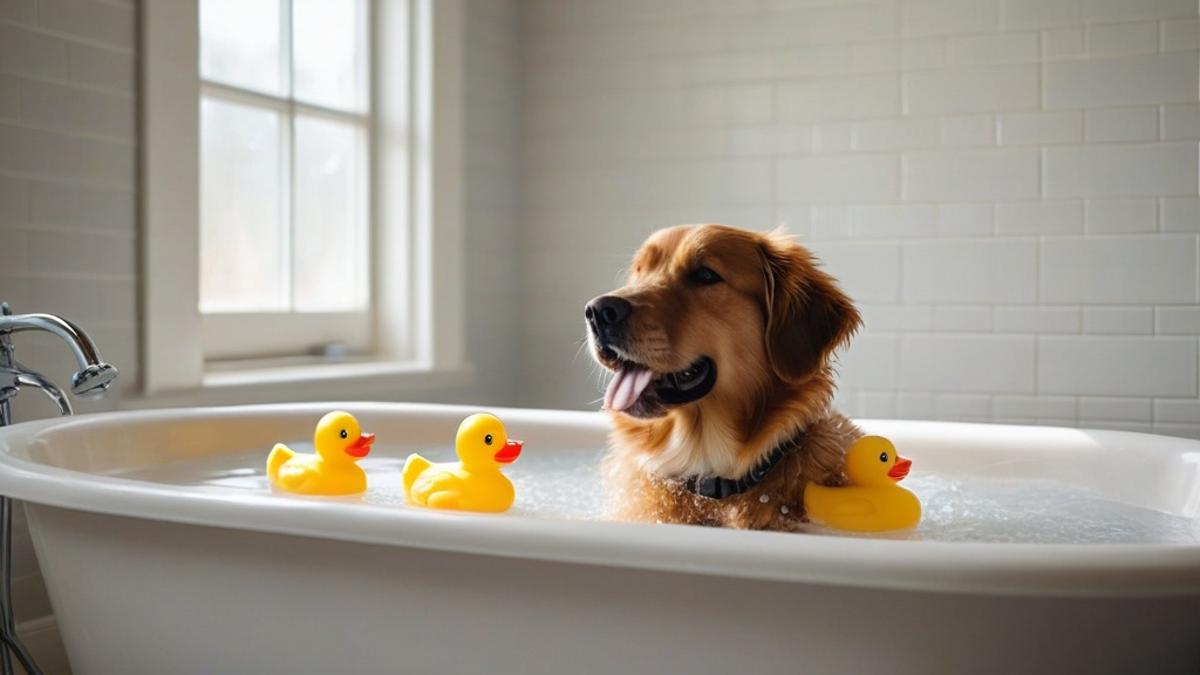
YOU MAY ALSO LIKE: Essential Accessories for Pet Health and Well-Being: The Role of Hygiene and Care Products
# Essential Accessories for Dog and Cat Nutrition and Hygiene
Grooming Tools That Go Beyond Basic Bathing
Step into a veterinary clinic in Abuja or Enugu, and ask any vet what they see most often during routine visits. Skin infections, matted fur, and ear problems top the list, conditions that proper pet grooming supplies could prevent entirely.
Nigeria’s climate creates a unique grooming challenge. Humidity in the south encourages fungal growth, while dust in northern states clogs fur and irritates skin. Neither extreme is kind to pets left without consistent grooming routines.
Brushes, Combs, and the Shedding Problem Nobody Talks About
Local dog breeds and mixed-breed strays adapted to Nigerian conditions often carry double coats that trap heat and moisture. Without regular brushing, this creates the perfect environment for mites and bacterial buildup.
Different coat types require different tools, and using the wrong one wastes both time and money. Consider what actually works:
- Slicker brushes for removing loose undercoat in medium to long-haired breeds like German Shepherds, common among Nigerian security-conscious households
- Rubber curry combs ideal for short-haired dogs and cats, distributing natural skin oils while removing dead hair
- De-shedding tools that dramatically cut down hair around furniture, a practical concern for apartment dwellers in Lagos
- Flea combs that catch parasites early before infestations spread, particularly useful during rainy season spikes
Nail trimming deserves separate mention. Overgrown claws affect a dog’s gait and can curl painfully into paw pads, an issue veterinarians frequently treat but rarely discuss publicly. Guillotine-style clippers work well for smaller cats, while scissor-style clippers handle larger dog breeds more safely.
Hygiene Tools That Prevent Costly Vet Visits
Dental disease affects a significant percentage of pets over three years old, yet oral care remains one of the most neglected areas among Nigerian pet owners. Enzymatic toothpaste formulated specifically for animals, paired with finger brushes, tackles plaque before it becomes periodontal disease requiring expensive extraction procedures.
Ear cleaning solutions represent another overlooked category within pet hygiene tools. Breeds with floppy ears, such as Cocker Spaniels, trap moisture that leads to persistent infections if left unaddressed. A simple weekly wipe with veterinary-approved solution prevents what could otherwise become a recurring, costly problem.
Litter box hygiene for cats also warrants attention beyond basic scooping. Clumping litter with odor-control additives reduces ammonia buildup, which can trigger respiratory irritation in enclosed apartment settings common across Nigerian cities.
Waterproof grooming gloves, silicone bathing brushes, and quick-dry towels round out a practical toolkit that pet owners increasingly search for online and in specialty stores. Together, these essential pet products shift grooming from an occasional chore into a preventive health routine, one that pays for itself through fewer emergency vet consultations and healthier, more comfortable animals at home.
Building a Smarter Routine for Nigerian Pet Owners
From feeding bowls to flea combs, the thread running through this entire discussion is simple: prevention costs less than treatment. Every product mentioned, whether a slow-feeder bowl or an enzymatic toothpaste, exists to stop a problem before it reaches a vet’s examination table.
Nigerian households investing in dog and cat nutrition accessories are not chasing trends imported from abroad. They are responding to real local conditions, unpredictable power supply affecting food storage, dusty harmattan winds irritating skin and coats, and humid seasons breeding parasites faster than owners can react.
What Pet Owners Should Prioritize First
Not every accessory carries equal weight. For owners working with limited budgets, a practical starting point matters more than a complete shopping list. Consider this order of priority:
- Reliable cat feeding accessories and portioned dog bowls to control diet and prevent obesity-related illness
- Basic pet grooming supplies, particularly brushes suited to local coat types and climate
- Simple pet hygiene tools like ear cleaners and dental kits, often the cheapest yet most neglected category
- Storage containers that protect dog nutrition products from Nigeria’s heat and humidity
These four categories cover most of the health risks discussed throughout this article, without requiring an overwhelming initial investment.
A Final Thought on Long-Term Pet Care
Pet ownership in Nigeria is shifting, urban households increasingly treat dogs and cats as family members rather than purely functional animals. That shift brings responsibility. Investing in essential pet products is no longer optional for owners who want healthier, longer-living companions.
The real question worth asking is not whether these accessories are necessary, but which ones fit a specific pet’s breed, environment, and daily routine. That answer will look different in Lagos than in Kano, and recognizing that difference is where responsible pet care truly begins.
Frequently Asked Questions
What dog and cat nutrition accessories are must-haves for pet owners in Nigeria?
Essential items include stainless steel or ceramic feeding bowls, gravity feeders for busy schedules, food storage containers to protect against Nigeria’s humidity, and slow feeder bowls to prevent bloating. Grooming tools like brushes and nail clippers should also be paired with these for complete pet care. Choosing durable, easy-to-clean materials helps them withstand frequent use in local climates.
How do I choose the right feeding bowl size for my dog or cat in hot Nigerian climates?
Select bowls with wider bases for stability and larger capacity to hold enough water, since pets drink more in Nigeria’s heat. Stainless steel bowls are ideal because they resist bacteria growth and are easy to sanitize daily. For cats, shallow, wide bowls prevent whisker fatigue, while dogs may need elevated stands for better posture during meals.
Where can I buy affordable dog and cat nutrition accessories in Lagos or Abuja?
Pet stores in major markets like Lekki, Wuse, and Garki often stock feeding and hygiene accessories, while online platforms like Jumia and Konga offer wider selections with delivery. Local veterinary clinics sometimes sell quality products too, ensuring you get items suited to Nigerian pets. Always compare prices and check for BPA-free or food-grade materials before purchasing.
Why is proper hygiene equipment important alongside nutrition accessories for pets?
Hygiene tools like grooming brushes, dental chews, and litter boxes work hand-in-hand with feeding accessories to prevent infections and digestive issues common in humid climates. Dirty bowls or unkempt fur can lead to bacterial buildup, affecting your pet’s overall health and appetite. Combining both nutrition and hygiene accessories ensures a well-rounded care routine for dogs and cats in Nigeria.

Beatriz
Beatriz Johnson is a seasoned pet care expert and writer with a passion for simplifying the complexities of pet ownership and animal well-being. With over a decade of experience in the field, she specializes in topics like pet nutrition, training techniques, and health care. Through her work on our website, Beatriz empowers pet owners to make informed decisions and provide the best possible care for their furry friends, ensuring happy and healthy lives for their beloved companions.