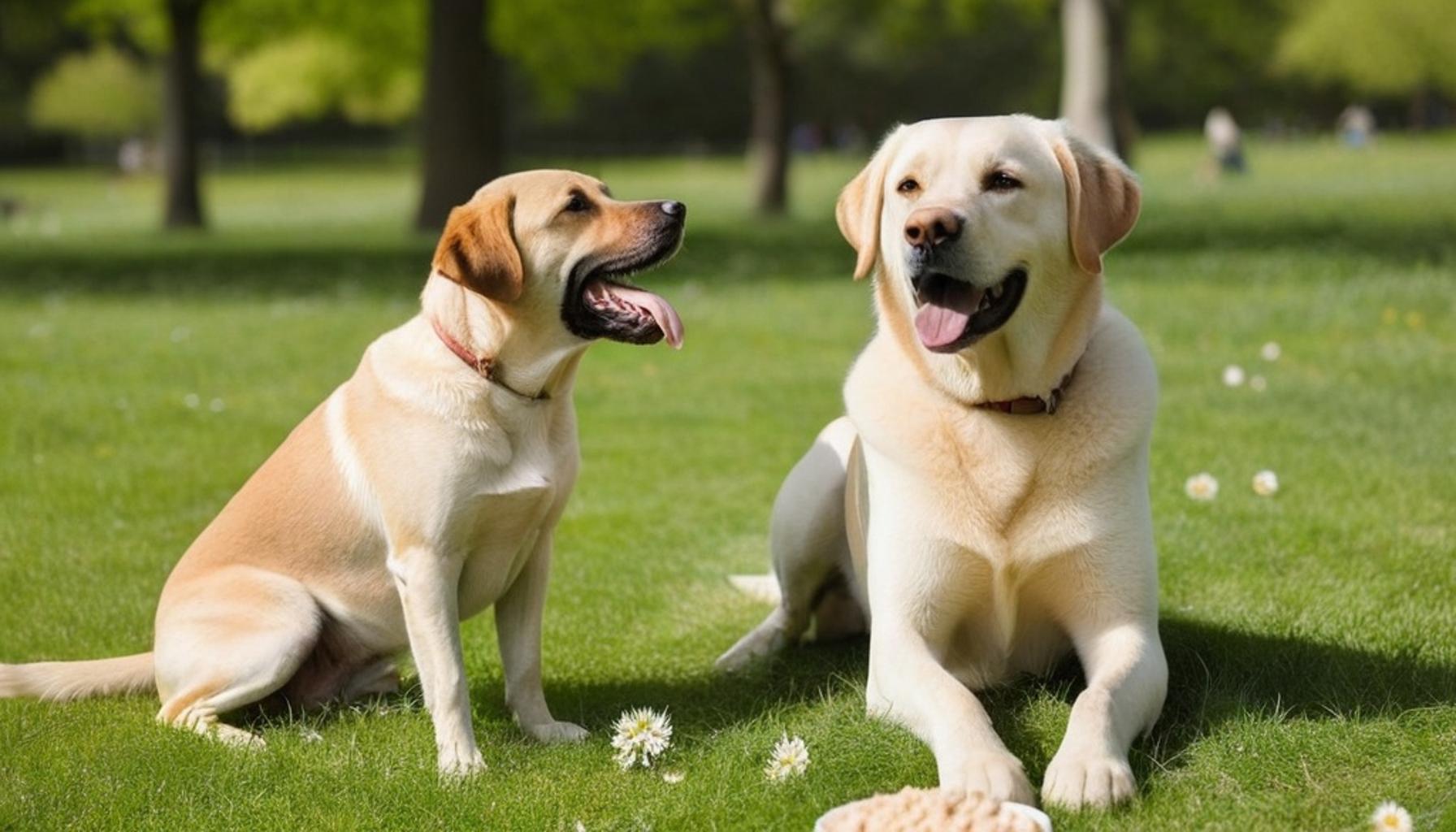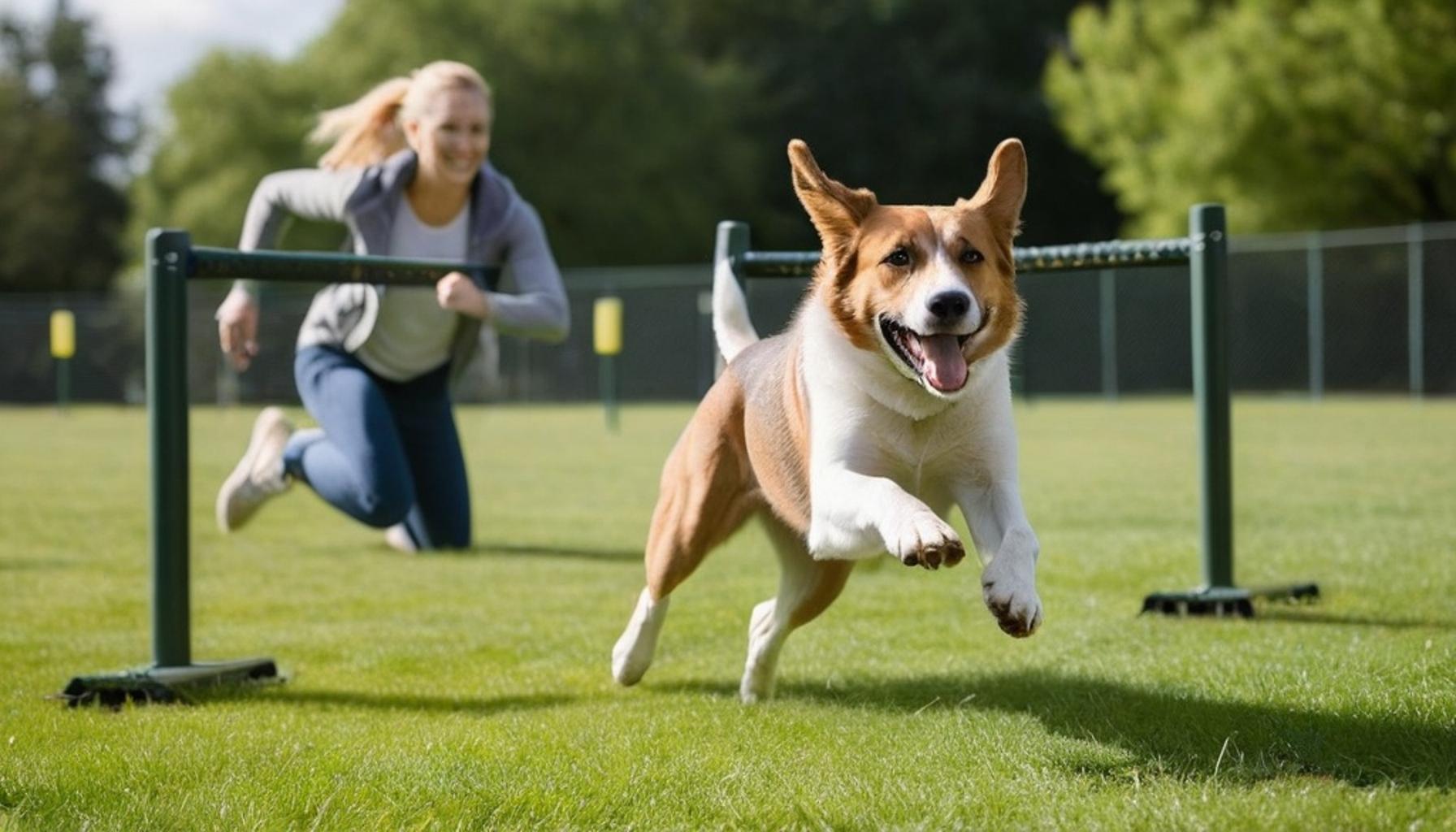
The Importance of Positive Training for the Health and Well-Being of Pets
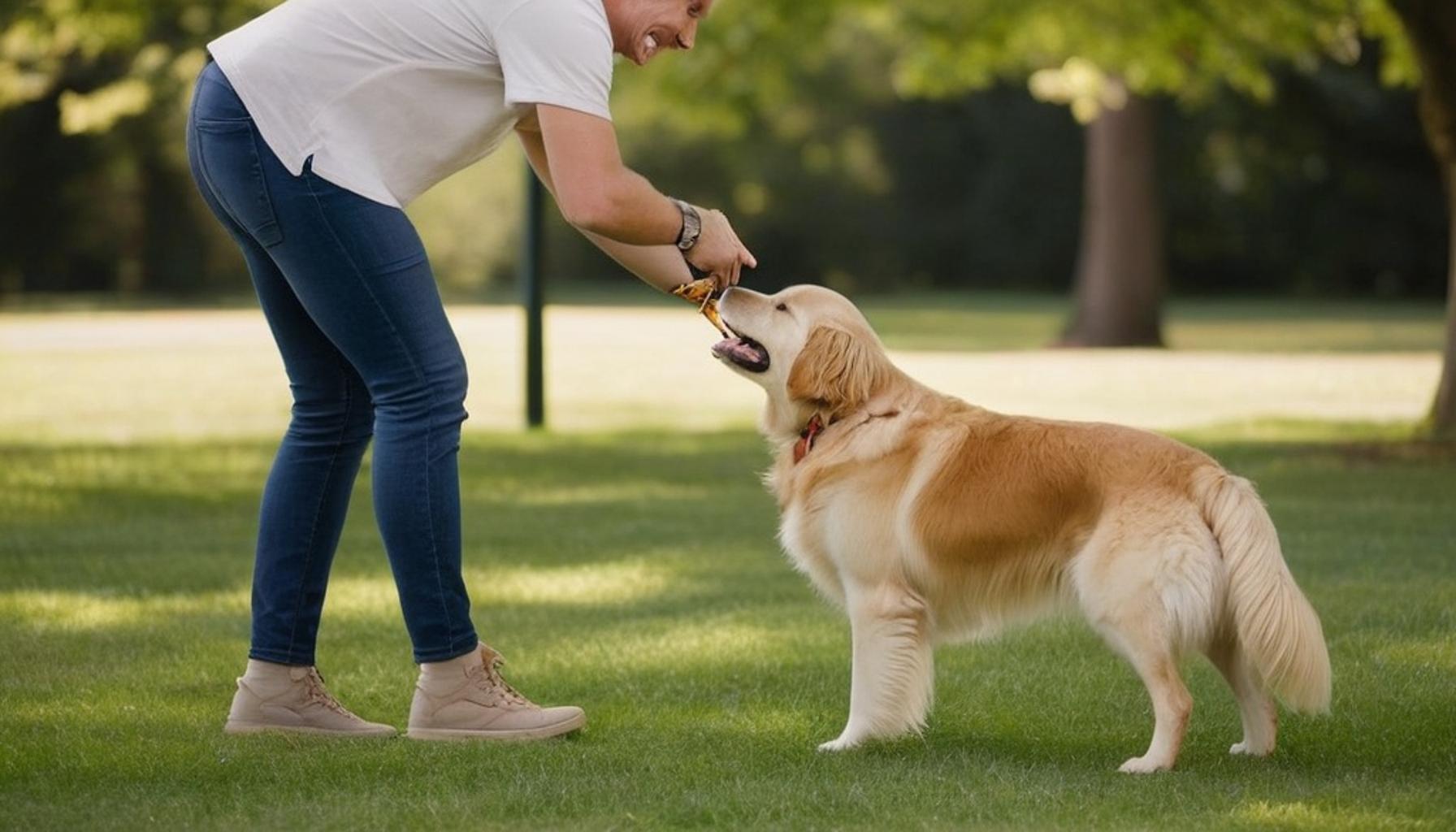
Why Positive Training Is Changing the Way Nigerians Care for Their Pets
From bustling compounds in Lagos to quiet homes in Enugu, more pet owners across Nigeria are rethinking how they raise their dogs and cats. Positive training for pets is fast becoming the preferred approach, replacing outdated punishment-based methods that many grew up believing were necessary.
For decades, the “hard hand” approach dominated pet-rearing culture in many Nigerian households. Shouting, hitting, or withholding food were common tactics used to correct unwanted behavior. Today, however, a quiet revolution is taking place in living rooms and backyards across the country, from Abuja’s estates to Port Harcourt’s residential streets.
But why the shift? Science and everyday experience both point to one truth: happy pets are healthier pets.
What Makes Positive Reinforcement So Effective?
Unlike fear-based methods, positive reinforcement techniques for pets reward good behavior instead of punishing mistakes. This builds trust between pet and owner rather than eroding it. When a dog sits calmly during a visit from neighbors instead of barking aggressively, rewarding that calmness teaches the animal what behavior earns approval.
- Treats, praise, and playtime as motivators
- Clear, consistent cues that pets can easily understand
- Reduced stress and anxiety during training sessions
- Faster learning curves compared to punishment-based methods
The results speak for themselves. Studies show the impact of training on pet behavior can reduce aggression by up to 50% when reward-based methods replace punishment. Veterinary behaviorists across West Africa are beginning to echo these findings, noting fewer bite incidents and calmer household pets in homes that adopted positive methods.
Beyond Obedience: A Question of Health
Training isn’t just about teaching a dog to sit or a cat to use its litter box properly. The health advantages of positive pet training extend far deeper than basic obedience, touching on physical wellbeing that many pet owners never consider.
- Lower cortisol levels linked to chronic stress
- Stronger immune response in well-adjusted animals
- Fewer behavioral issues that lead to abandonment
- Better digestion and appetite in low-stress environments
- Longer lifespans reported among consistently trained pets
Nigerian veterinarians increasingly report that pets brought in for stress-related illnesses often share one thing in common: a history of harsh handling. Meanwhile, animals raised with patience and reward-based guidance tend to display fewer digestive complaints and skin conditions often triggered by anxiety.
Understanding the true benefits of positive training for pets could reshape how Nigerian households approach animal care entirely, moving away from control-based ownership toward genuine companionship.
This article explores the science, the strategies, and the real-life impact of nurturing the well-being of pets through training—one reward at a time, and one household at a time across the nation.
LEARN MORE: The Importance of Obedience Training for Your Pet’s Health and Safety
The Science Behind Positive Training for Pets and Animal Behavior
Walk through any veterinary clinic in Ibadan or Kano, and you’ll likely hear the same concern from worried pet owners: “My dog won’t listen” or “My cat scratches everything.” What many don’t realize is that the solution often lies not in stricter discipline, but in understanding how animals actually learn.
Positive training for pets is rooted in decades of behavioral science, particularly operant conditioning principles first studied by psychologist B.F. Skinner. The concept is straightforward: behaviors followed by rewards are more likely to be repeated, while behaviors followed by punishment often lead to fear, confusion, or aggression rather than genuine understanding. Skinner’s original experiments involved laboratory animals, but the same neurological pathways apply to household pets navigating their environment for the very first time.
Neuroscientists have since expanded on this foundation, showing that dopamine release during reward-based learning strengthens neural connections far more effectively than cortisol spikes triggered by fear-based methods. In simple terms, a treat-motivated dog learns faster and retains commands longer than one trained through intimidation.
How Nigerian Pet Owners Are Applying These Methods
Across Nigeria, trainers and pet owners are adapting these positive reinforcement techniques for pets to fit everyday realities—tight compounds, multiple dogs guarding property, and cats that roam freely between neighboring homes.
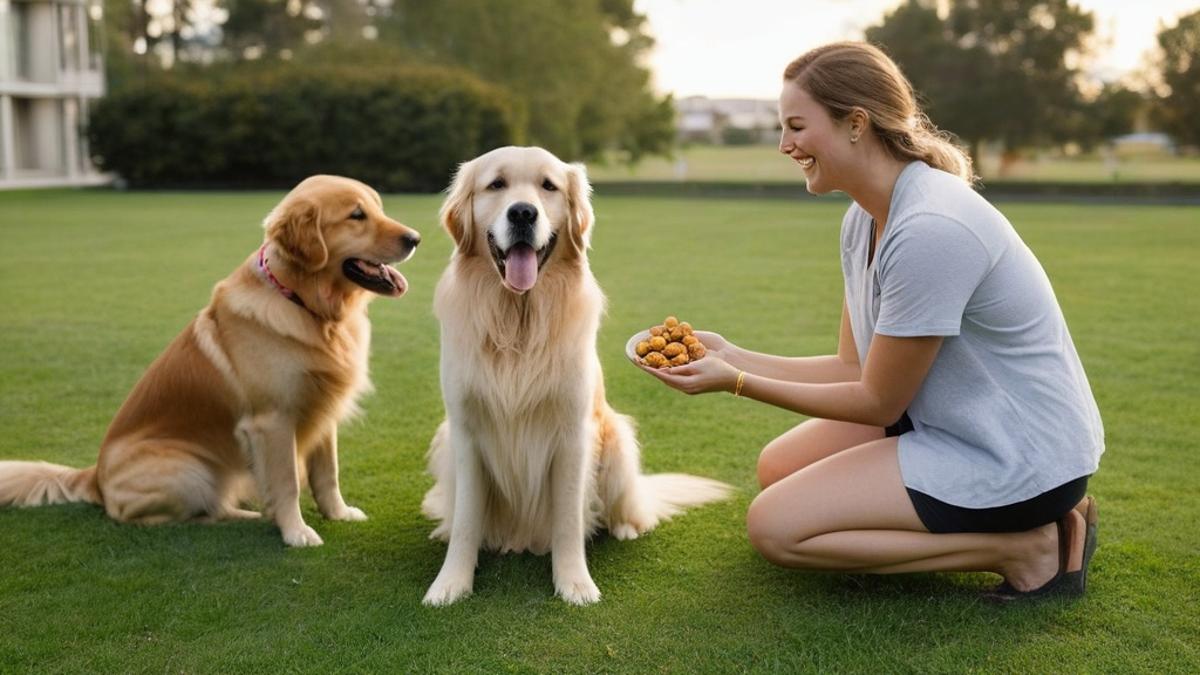
- Using local treats like dried fish or chicken bits as high-value rewards
- Timing praise within seconds of the desired behavior
- Incorporating short, five-minute training sessions into daily routines
- Avoiding physical corrections that trigger fear responses
- Involving children in reward-based exercises to build trust early
A dog trainer based in Lekki recently shared that clients who switched from choke chains to reward-based leash training saw noticeable improvements within two weeks. Dogs walked calmer, pulled less, and showed reduced reactivity toward other animals on the street. Similar reports are emerging from Abuja and Port Harcourt, where estate compound owners with guard dogs describe fewer unnecessary barking incidents after introducing consistent reward schedules.
This shift matters because the impact of training on pet behavior extends beyond the individual animal. Calmer, better-behaved pets mean fewer conflicts with neighbors, reduced veterinary emergency visits from fight-related injuries, and safer interactions with children and visitors. Local veterinary associations have begun including basic positive reinforcement guidance during vaccination visits, recognizing that behavioral health is just as important as physical wellness.
Interestingly, cats respond just as well to these methods as dogs do. Contrary to popular belief that felines cannot be trained, clicker training and reward-based litter box guidance have shown remarkable success rates among Nigerian cat owners who previously relied on scolding or isolation. Some households have even reported success teaching cats to associate scratching posts with treats, effectively eliminating destructive furniture damage without a single raised voice.
What emerges from these grassroots experiences aligns closely with international research: animals raised in low-stress, reward-driven environments develop stronger bonds with their owners and display fewer signs of anxiety-related behaviors, such as excessive licking, destructive chewing, or unexplained aggression. As more Nigerian pet owners experiment with these techniques, the conversation around animal welfare continues to shift toward evidence-based, compassionate approaches rather than outdated traditions of fear and force.
SEE ALSO: Training Strategies to Reduce Undesirable Behaviors in Pets and Improve Mental Health
Health Advantages of Positive Pet Training That Go Beyond Obedience
Most conversations about training focus on manners—sitting on command, walking without pulling, staying off the sofa. But the health advantages of positive pet training reach far deeper than surface-level obedience, touching a pet’s cardiovascular system, immune response, and even lifespan.
Chronic stress in animals, much like in humans, triggers sustained cortisol production. Over time, elevated cortisol levels weaken immune function, slow wound healing, and increase susceptibility to gastrointestinal issues. Dogs trained through fear-based methods often live in a near-constant state of low-grade anxiety, bracing for correction rather than relaxing into their environment. Positive methods remove that chronic stress trigger entirely.
What Veterinary Data Suggests About Trained Pets
Veterinary behaviorists studying companion animals have noted a consistent pattern: pets trained with reward-based methods present fewer stress-related symptoms during clinical examinations. Some Nigerian veterinary clinics in Lagos and Ibadan have informally observed similar trends, reporting that dogs accustomed to positive handling techniques show reduced heart rates and less resistance during vaccinations or minor procedures.
This matters practically. A cat that associates carriers and car rides with treats rather than punishment is far less likely to develop travel-related stress vomiting or urinary issues linked to anxiety—a common complaint among Nigerian cat owners during relocation or vet visits.
- Reduced cortisol levels linked to lower risk of stress-induced illness
- Improved digestion in pets no longer eating out of fear or scarcity anxiety
- Better sleep cycles observed in dogs no longer hyper-vigilant from punishment
- Fewer skin conditions related to compulsive licking or self-mutilation
- Stronger immune markers in pets with lower baseline stress hormones
The well-being of pets through training also extends into longevity. Animals that trust their owners tend to seek help sooner when injured or unwell, rather than hiding symptoms out of fear of punishment—a behavior commonly seen in dogs disciplined harshly for accidents or mistakes. Early detection of illness, made possible through trust, often means earlier treatment and better outcomes.
Beyond physical health, there’s a measurable cognitive benefit. Reward-based training encourages problem-solving, as animals actively think through which behavior earns a treat rather than simply avoiding punishment. This mental engagement mirrors enrichment activities recommended by animal welfare organizations worldwide, keeping pets sharper and more adaptable well into their senior years.
Nigerian households juggling generator noise, unpredictable schedules, and shared compound spaces often underestimate how much environmental stress their pets absorb daily. Positive training doesn’t eliminate that stress, but it gives animals healthier coping tools—turning to their owner for guidance instead of reacting with fear or aggression when the unexpected happens.
Rethinking How Nigerian Pet Owners Approach Training
The evidence is clear: positive training for pets isn’t a Western trend disconnected from Nigerian realities—it’s a practical framework that addresses real, everyday challenges faced by dog and cat owners from Lekki to Kano. Whether it’s a puppy startled by generator noise or a cat overwhelmed during relocation, the training method chosen directly shapes how that animal copes.
Throughout this discussion, one theme keeps resurfacing. The benefits of positive training for pets extend well beyond obedience, influencing hormone levels, immune resilience, digestion, and even how quickly an animal seeks help when something is wrong. These aren’t minor conveniences; they’re measurable health outcomes backed by veterinary observation.
A Shift Worth Considering
Fear-based correction may produce quick compliance, but it often comes at a hidden cost—chronic stress that quietly erodes physical and emotional health over time. Positive reinforcement techniques for pets offer an alternative that builds trust instead of eroding it, giving animals the confidence to navigate unpredictable environments common in Nigerian households.
The impact of training on pet behavior ultimately reflects the relationship between owner and animal. Pets that feel safe are pets that thrive, both physically and mentally.
- Consider consulting a certified animal behaviorist before adopting harsh correction methods
- Observe your pet’s stress signals during vet visits or travel as an early indicator
- Introduce reward-based routines gradually, especially with rescued or older animals
As more Nigerian veterinary professionals document these patterns, pet owners have an opportunity to reconsider outdated training habits. The choice isn’t simply about producing a well-mannered pet—it’s about shaping a healthier, longer, more trusting life for the animals sharing our homes.
Frequently Asked Questions
What exactly is positive training for pets and how does it differ from traditional methods used in Nigeria?
Positive training for pets focuses on rewarding good behaviour with treats, praise, or play instead of using punishment or fear-based correction common in many Nigerian homes. This approach builds trust between you and your pet, whether it’s a dog guarding your compound or a cat kept indoors. Unlike traditional scolding or physical punishment, positive training encourages pets to repeat good behaviour because they associate it with something enjoyable.
Can positive training help reduce aggressive behaviour in guard dogs commonly kept in Nigerian homes?
Yes, positive training for pets is very effective in managing and reducing unnecessary aggression, even in guard dogs like Alsatians or Rottweilers popular in Nigeria. By rewarding calm behaviour around visitors and using consistent commands, you can teach a guard dog to distinguish between real threats and everyday situations. This makes the dog safer for your family while still keeping its natural protective instincts intact.
Is positive training suitable for local Nigerian dog breeds or only for foreign, exotic pets?
Positive training works well for all breeds, including local Nigerian dogs and mixed breeds, not just imported ones. Every dog, regardless of breed, responds to rewards like food, affection, or toys because these methods tap into basic animal psychology. In fact, local breeds often adapt quickly since they are naturally alert and food-motivated.
How can I start positive training for my pet at home without spending too much money on treats or equipment?
You can begin positive training for pets using affordable rewards like small pieces of boiled chicken, fish, or their regular kibble instead of expensive imported treats. Simple verbal praise, petting, or a favourite toy can also serve as effective rewards for good behaviour. Consistency and short daily training sessions of five to ten minutes are more important than costly gadgets or accessories.

Beatriz
Beatriz Johnson is a seasoned pet care expert and writer with a passion for simplifying the complexities of pet ownership and animal well-being. With over a decade of experience in the field, she specializes in topics like pet nutrition, training techniques, and health care. Through her work on our website, Beatriz empowers pet owners to make informed decisions and provide the best possible care for their furry friends, ensuring happy and healthy lives for their beloved companions.