Safety Accessories for Pets: Tips to Protect Your Four-Legged Friend at Home and Outdoors
Keeping Your Pet Safe: Why Accessories Matter More Than Ever
From the busy streets of Lagos to the quiet compounds of Kaduna, pet ownership across Nigeria is growing steadily. With this rise comes a pressing question many owners overlook: is your furry companion truly protected at home and outdoors?
Safety Accessories for Pets are no longer optional extras. They are essential tools that shield animals from traffic hazards, extreme heat, theft, and household accidents.
Consider this: thousands of pets go missing every year simply because they lacked proper identification or restraint. A simple collar tag or GPS tracker could make the difference between a happy reunion and a permanent loss.
Nigerian households often combine open compounds with bustling street life just beyond the gate. This mix creates unique risks that many pet owners do not immediately consider. A dog that wanders past an unsecured fence in Ibadan could face oncoming motorcycles within seconds. A cat that slips through a window in Port Harcourt might climb onto a hot rooftop or disappear into a neighboring compound. These scenarios are not rare exceptions; they happen frequently, often because owners assume their pets instinctively know how to stay safe.
The reality is that animal behavior is unpredictable, especially when triggered by fear, loud noises, or unfamiliar scents. Fireworks during festive periods, sudden storms, or even a passing stranger can send a normally calm pet running. Without proper restraint or identification, that moment of panic can quickly turn into a lasting tragedy for the family.
What This Article Covers
This guide explores practical pet safety tips tailored for Nigerian homes and outdoor environments. Expect actionable advice, not vague suggestions.
- Home pet safety accessories like secure gates, non-slip mats, and pet-proof storage
- Outdoor pet safety gear including reflective leashes, harnesses, and weather-resistant booties
- Reliable dog safety gear for busy streets and unpredictable traffic
- Essential cat safety products for curious climbers and escape artists
Beyond these categories, the growing pet care market in Nigeria has introduced more affordable and locally adapted safety solutions. Vendors in cities like Abuja and Enugu now stock heat-resistant paw balms, sturdy chain leashes for larger breeds, and even solar-powered collar lights designed for evening walks when visibility is low. These innovations reflect a broader shift: pet safety is becoming a serious conversation rather than an afterthought.
Whether you own a Boerboel guarding your compound or a mixed-breed cat roaming the backyard, safety shouldn’t be an afterthought. Let’s uncover the accessories that truly protect your four-legged friend, indoors and out.
YOU MAY ALSO LIKE: How to Choose Accessories that Promote Safety and Preventive Care in Pets
Securing the Home Front: Essential Indoor and Compound Safety Gear
Before a pet ever steps outside, the home itself must become a safe zone. Many Nigerian compounds feature open corridors, unfenced verandas, and gates that swing open throughout the day for visitors, deliveries, or generator repairs. These everyday realities make home pet safety accessories a foundational investment, not a luxury. A single unguarded moment, a gate left ajar while a mai guard steps out, or a delivery rider rushing in, can be the difference between a calm afternoon and a frantic search through busy streets.
Start with the basics: a secure gate latch. Pets, especially dogs, are remarkably skilled at pushing through gaps left by careless latching. A self-closing gate hinge or a simple padlock system can prevent an impulsive dash into traffic-heavy streets common in areas like Surulere or Garki. Some households have even adopted double-gate systems, an outer gate for vehicles and a smaller inner gate for foot traffic, creating an extra buffer that keeps pets contained even when the main entrance is open for extended periods.
Indoor Hazards Owners Often Miss
Inside the house, hazards multiply quickly. Tiled floors, common in most Nigerian homes, become dangerously slippery for pets running or playing. Non-slip mats placed near doorways and staircases reduce injury risks significantly, particularly for older dogs or breeds prone to hip issues. Beyond mats, textured rugs in high-traffic zones such as living rooms and hallways can further cushion falls, especially for puppies still learning to navigate their surroundings.
Electrical cords, cleaning chemicals, and open kitchen bins also pose silent dangers. A curious puppy chewing through a phone charger cable or a cat knocking over bleach stored under the sink can lead to emergency vet visits that were entirely preventable. Generators, a near-universal fixture in Nigerian homes due to unpredictable power supply, present another overlooked risk. Fuel containers and exposed wiring around generator housing units should be kept well out of paw’s reach.
- Pet-proof storage bins for food, medication, and cleaning supplies
- Cordless charging stations or cable covers to prevent chewing accidents
- Baby gates or barriers to restrict access to kitchens and staircases
- Window screens for upper floors, especially in flats and duplexes common in Lekki or Asaba
These small additions form the backbone of effective pet safety tips that many owners only consider after an incident occurs. Investing in these accessories early, rather than reactively after a scare, often saves both emotional distress and unexpected veterinary bills.
The Compound as a Controlled Environment
For families with larger outdoor spaces, the compound should function like a controlled buffer zone. Reinforced fencing, at least 1.5 meters high for medium to large breeds, prevents jumping attempts. Adding motion-sensor lights near gates also deters both intruders and startled pets from bolting during nighttime hours. In estates where security patrols are common, coordinating with gatemen about pet presence can add another layer of protection, ensuring everyone on the property is aware and alert.
Water and shade stations matter too. Nigeria’s heat, particularly between February and April, can push outdoor temperatures above 35 degrees Celsius. Pets left without shaded resting spots risk heat exhaustion, a condition that develops faster than most owners realize. Simple additions like raised wooden platforms under mango or neem trees, common in many compounds, provide natural cooling spots that require no electricity or extra cost.
Ultimately, Safety Accessories for Pets begin at home, long before a leash or collar ever comes into play. A well-secured compound and a hazard-free interior reduce the chances of accidents dramatically, setting the stage for safer adventures once your pet steps beyond the gate. The investment, whether in fencing, storage bins, or shaded rest areas, pays dividends in peace of mind and fewer emergency trips to the veterinary clinic.

YOU MAY ALSO LIKE: Essential Accessories for Balanced Nutrition and Pet Health: Tips and Recommendations
Beyond the Gate: Outdoor Pet Safety Gear for Nigerian Streets and Terrain
Once a pet steps beyond the compound, an entirely different set of risks emerges. Okada riders weaving through narrow streets, roaming livestock in semi-urban areas, and unpredictable weather patterns all demand a shift in strategy. Outdoor pet safety is not simply about attaching a leash and walking out the door; it requires deliberate preparation tailored to Nigeria’s unique urban and rural landscapes.
Leashes, Harnesses, and Visibility Gear
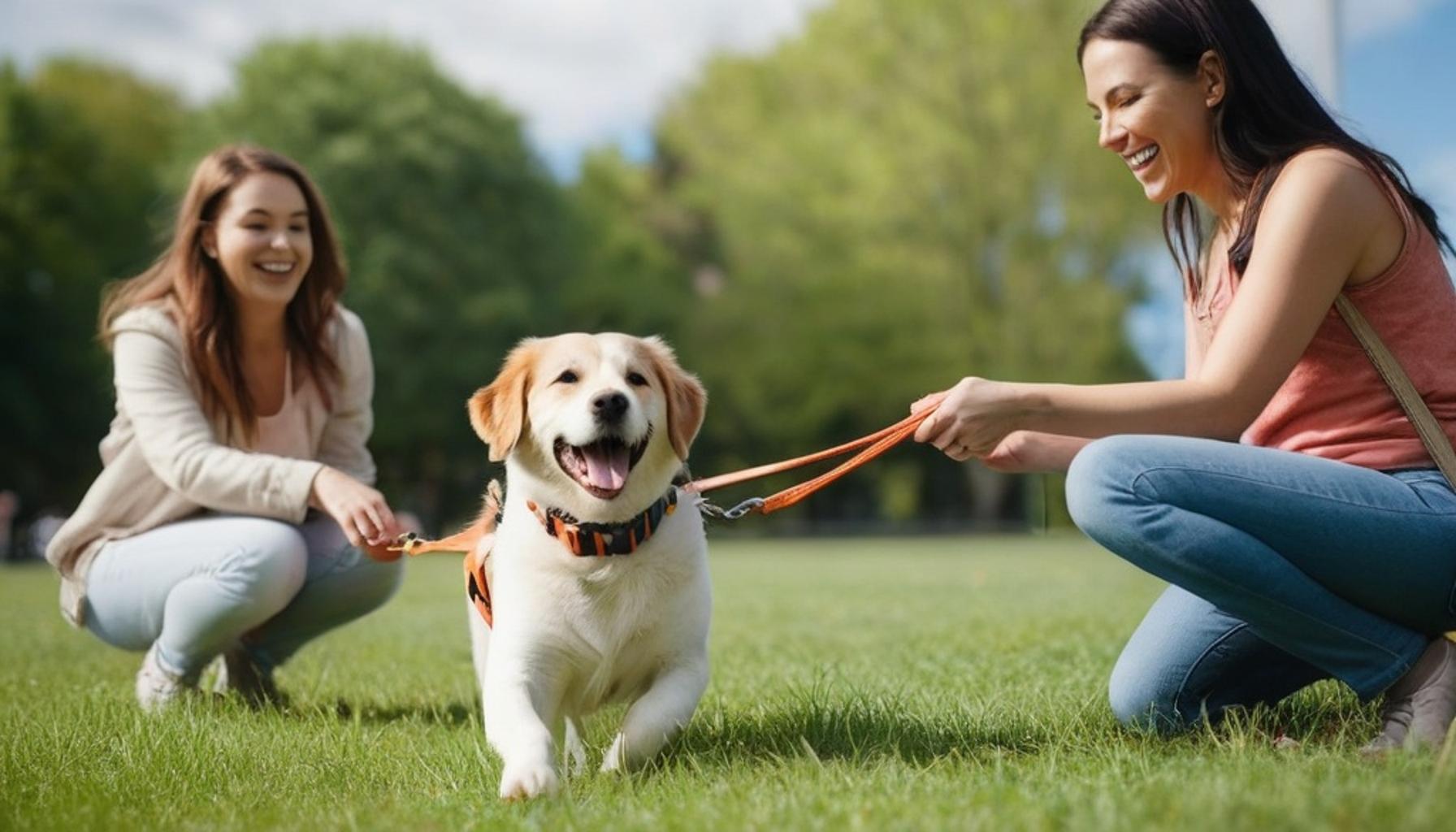
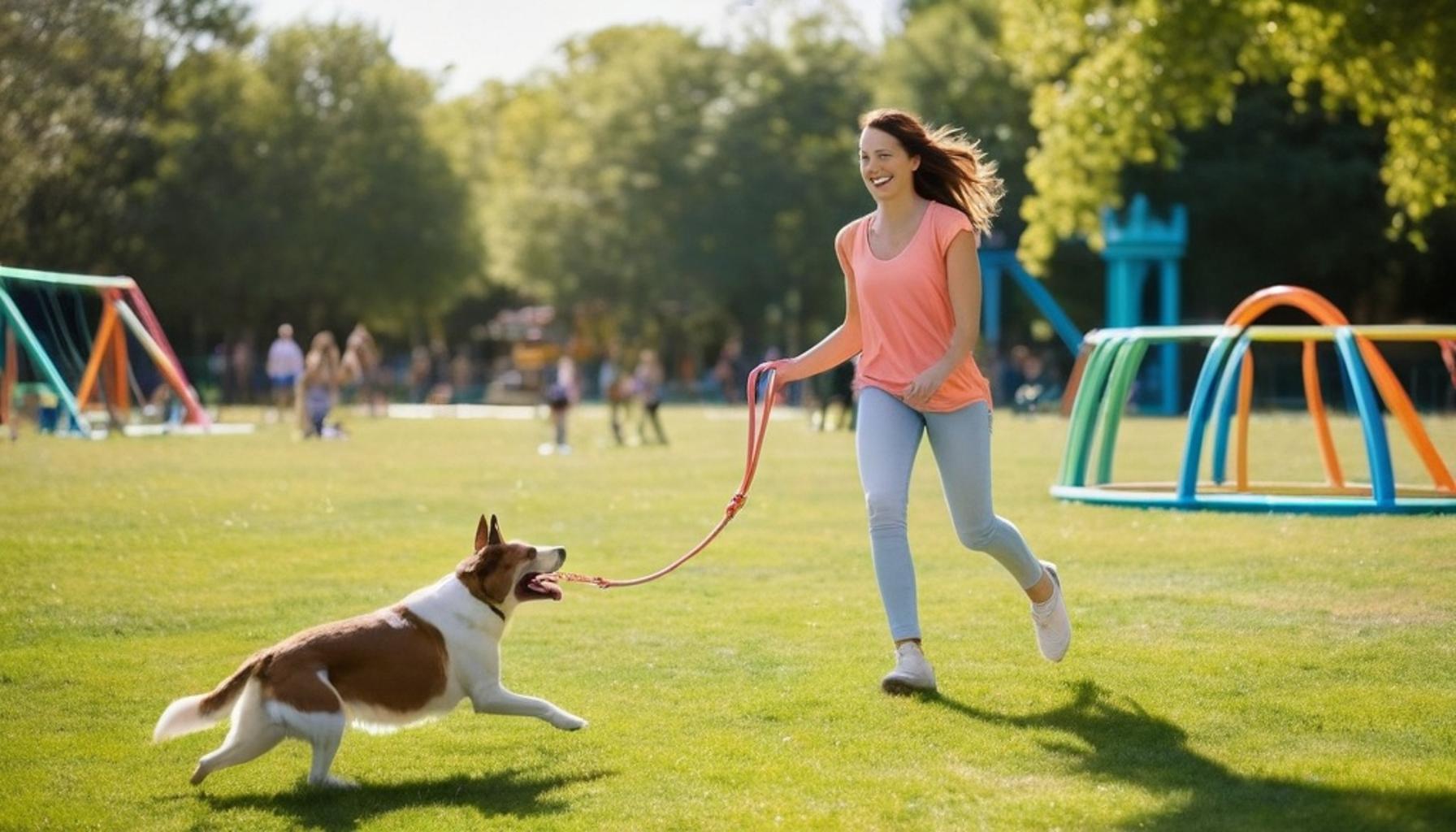
A sturdy leash remains the single most important piece of dog safety gear for any outdoor excursion. Retractable leashes, while popular, often fail in high-traffic areas like Ikeja or Onitsha markets, where sudden pulls can send a dog directly into oncoming motorcycles. Fixed-length leashes between 1.2 and 1.8 meters offer far better control in these unpredictable environments.
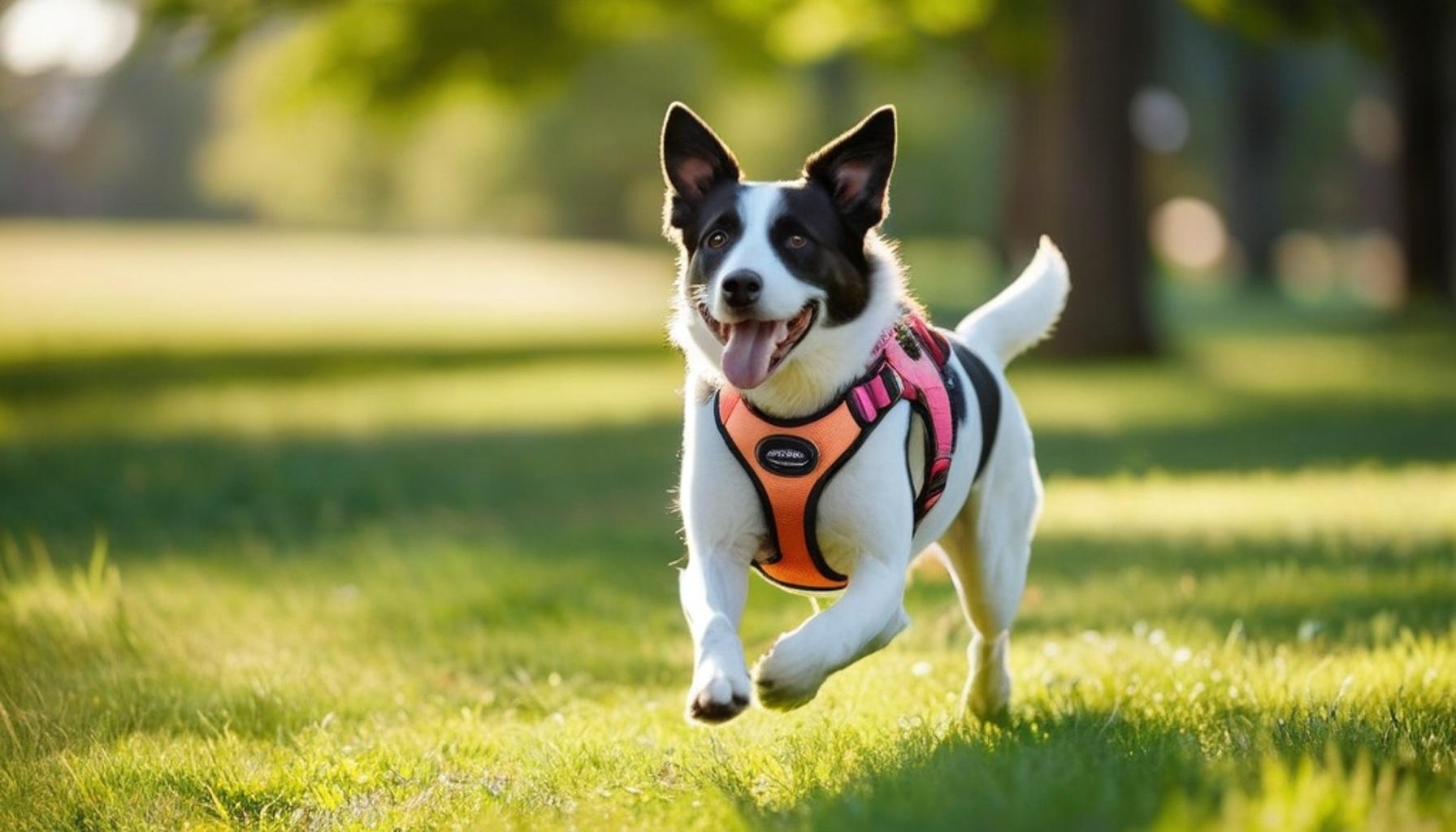
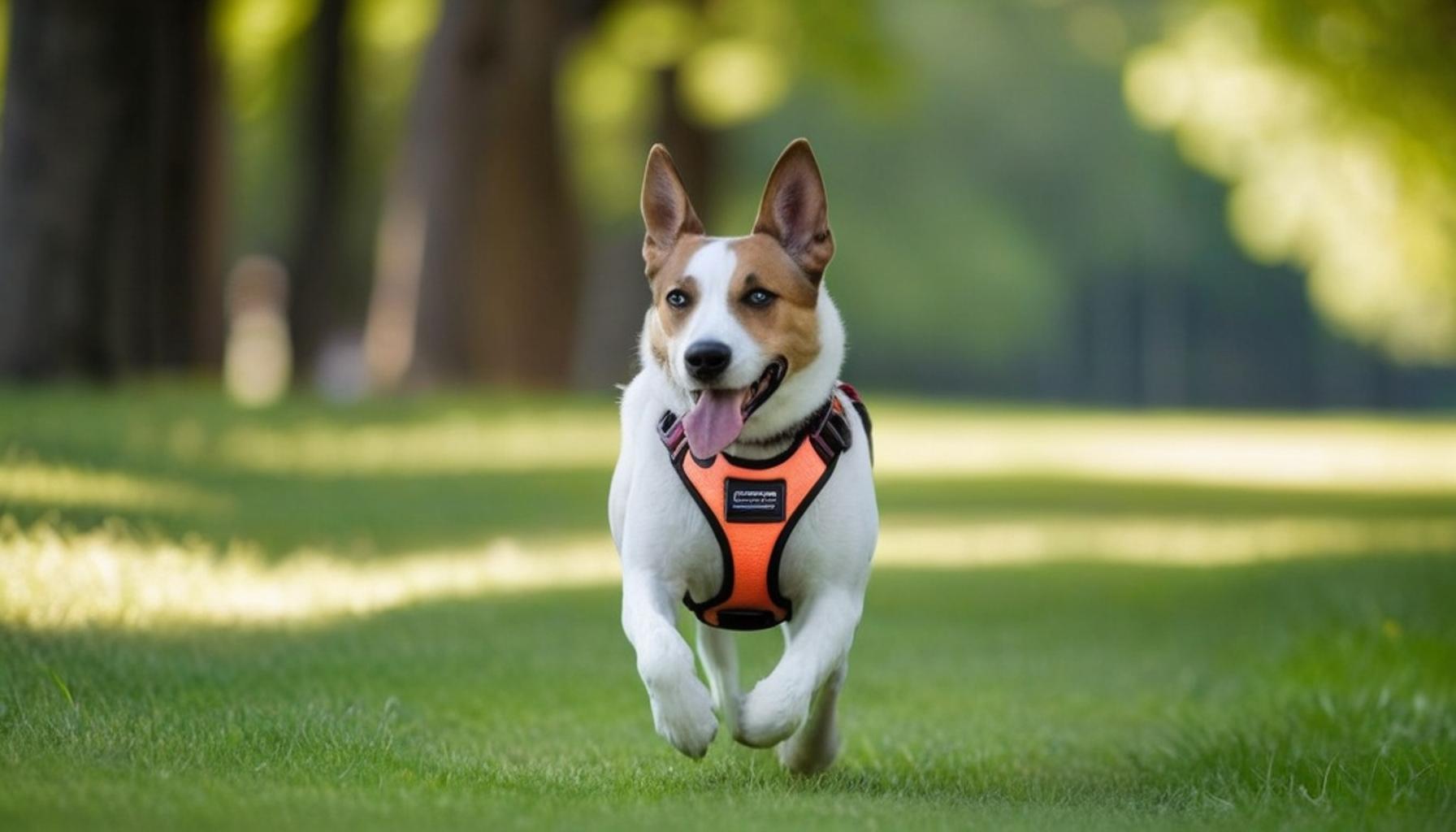
Harnesses distribute pressure across the chest rather than the neck, reducing injury risk for pets that pull or lunge unexpectedly. This matters considerably during Lagos’s rainy season, between June and September, when slick pavements increase sudden movements and falls. Owners who have walked a dog through Surulere or Yaba during a downpour know how quickly a calm stroll can turn chaotic when thunder cracks or a stray cat darts across the path.
Reflective collars and harnesses deserve particular attention. Many Nigerian streets lack consistent lighting, and evening walks, often the only cool time for exercise, become dangerous without visibility gear. A reflective strip or LED collar attachment can alert drivers and cyclists to a pet’s presence long before headlights would otherwise reveal them. In areas where streetlights flicker on and off depending on the state of the national grid, this small accessory becomes a genuine lifesaver rather than a mere accessory.
- Reflective or LED collars for early morning and evening walks
- No-pull harnesses for stronger breeds like Boerboels or Caucasian Shepherds
- Paw protectors for hot asphalt during peak afternoon heat
- Portable water bottles with attached bowls for long walks or road trips
Identification and Microchipping
Every outdoor adventure carries some risk of separation. A durable ID tag listing a phone number remains essential, but many owners now pair this with microchipping, a small implanted chip that veterinary clinics and shelters can scan. In cities like Abuja and Port Harcourt, where lost-pet reports have increased alongside urban expansion, this combination dramatically improves reunion odds. Some veterinary clinics in these cities now offer microchipping as a routine service during vaccination visits, making it far more accessible than it was even five years ago.
Beyond the chip itself, owners should keep updated photographs and a written description of distinguishing marks. This seems like an obvious step, yet many pet owners only realize its importance after a frantic search through neighborhood WhatsApp groups and community boards.
Travel and Terrain-Specific Considerations
Road trips to states like Ogun or Oyo introduce additional variables. Car harnesses or secured carriers prevent pets from becoming projectiles during sudden braking, a real concern given Nigeria’s traffic conditions. For cat owners, sturdy carriers rank among the most practical cat safety products available, minimizing stress and preventing escape attempts at rest stops along busy expressways.
Rural or semi-rural terrain introduces snake encounters, thorny shrubs, and uneven ground. Protective vests and boots, though still uncommon in Nigerian households, are gaining attention among hunting dog owners in northern states, where such gear reduces injury during extended outdoor activity. Farmers in parts of Kaduna and Kano have begun experimenting with these tools, particularly for dogs used in guarding livestock across open fields.
Combining these tools with consistent training builds a layered defense system. Safety Accessories for Pets work best when paired with situational awareness, checking for loose gates before letting a dog out, scanning streets before crossing, and monitoring weather forecasts before extended outdoor time. Preparation, more than any single product, determines whether outdoor adventures remain enjoyable or turn into emergencies. As more Nigerian pet owners share their experiences online, a growing body of practical knowledge continues to shape safer habits for the next generation of outdoor companions.
Building a Culture of Protection, One Accessory at a Time
From childproof gates in a Lekki compound to reflective harnesses navigating Onitsha’s evening traffic, the thread running through every recommendation in this article remains consistent: Safety Accessories for Pets are not luxuries reserved for wealthy households. They are practical tools addressing genuine risks that Nigerian pet owners encounter daily, whether that means a curious puppy near an exposed generator or a cat slipping through a poorly secured balcony.
What emerges from examining both indoor and outdoor scenarios is a simple truth. No single product guarantees complete safety. A microchip means little without an updated phone number attached to it. A reflective collar loses value if evening walks happen along unlit paths without additional caution. Effective pet safety tips always combine physical gear with attentive habits, forming layers of protection rather than relying on one solution.
Nigerian households face circumstances that differ meaningfully from pet safety advice written for other climates and cultures. Extreme heat, inconsistent electricity, dense urban traffic, and varied terrain all shape what genuinely useful home pet safety accessories look like here. Recognizing this context matters more than copying generic checklists found elsewhere online.
For owners just beginning this journey, starting small makes sense. A durable leash, a secure ID tag, and a few childproofing measures around the home address the most common risks immediately. From there, layering in dog safety gear like reflective collars or investing in reliable cat safety products such as secure carriers becomes a natural progression rather than an overwhelming checklist.
Ultimately, protecting a pet reflects the same attentiveness Nigerians already bring to protecting their families. As awareness spreads through veterinary clinics, community groups, and shared experiences across cities like Lagos, Abuja, and Kano, safer habits will likely become second nature. The four-legged companions sharing our homes and streets deserve nothing less than this ongoing, thoughtful commitment to their wellbeing.
Frequently Asked Questions
What are the most essential safety accessories for pets in Nigeria’s hot climate?
Reflective collars and leashes are crucial for evening walks since many Nigerian streets lack proper lighting. A cooling vest or mat helps prevent heatstroke during the intense dry season heat, while a sturdy harness gives you better control near busy roads. ID tags with your phone number are also vital since pets can easily wander off in unfenced compounds.
How can I protect my dog from motorcycle and car accidents when walking outdoors in Nigerian cities?
Always use a strong leash and front-clip harness to prevent sudden pulls into traffic, especially in busy areas like Lagos or Abuja where okadas move unpredictably. Reflective gear or LED collar lights make your pet visible to riders and drivers, particularly at dusk. Training your pet to walk on your inner side, away from the road, adds an extra layer of protection.
Are there affordable pet safety accessories available in local Nigerian markets or online stores?
Yes, basic items like ID tags, nylon leashes, and collars can be found affordably at markets such as Balogun in Lagos or pet stores in major cities. Online platforms like Jumia and Konga also stock a range of pet safety gear, from harnesses to cooling mats, often at competitive prices. It’s wise to compare quality and reviews before buying, since durability matters for daily use.
What safety accessories help keep pets secure at home in compounds with open gates?
A well-fitted collar with an ID tag is essential in case your pet slips out through an open gate, which is common in many Nigerian homes. Consider a leash tie-out stake or a secure kennel for times when the gate must stay open for visitors or deliveries. Motion-sensor lights near entry points can also alert you if a pet tries to escape at night.

Beatriz
Beatriz Johnson is a seasoned pet care expert and writer with a passion for simplifying the complexities of pet ownership and animal well-being. With over a decade of experience in the field, she specializes in topics like pet nutrition, training techniques, and health care. Through her work on our website, Beatriz empowers pet owners to make informed decisions and provide the best possible care for their furry friends, ensuring happy and healthy lives for their beloved companions.