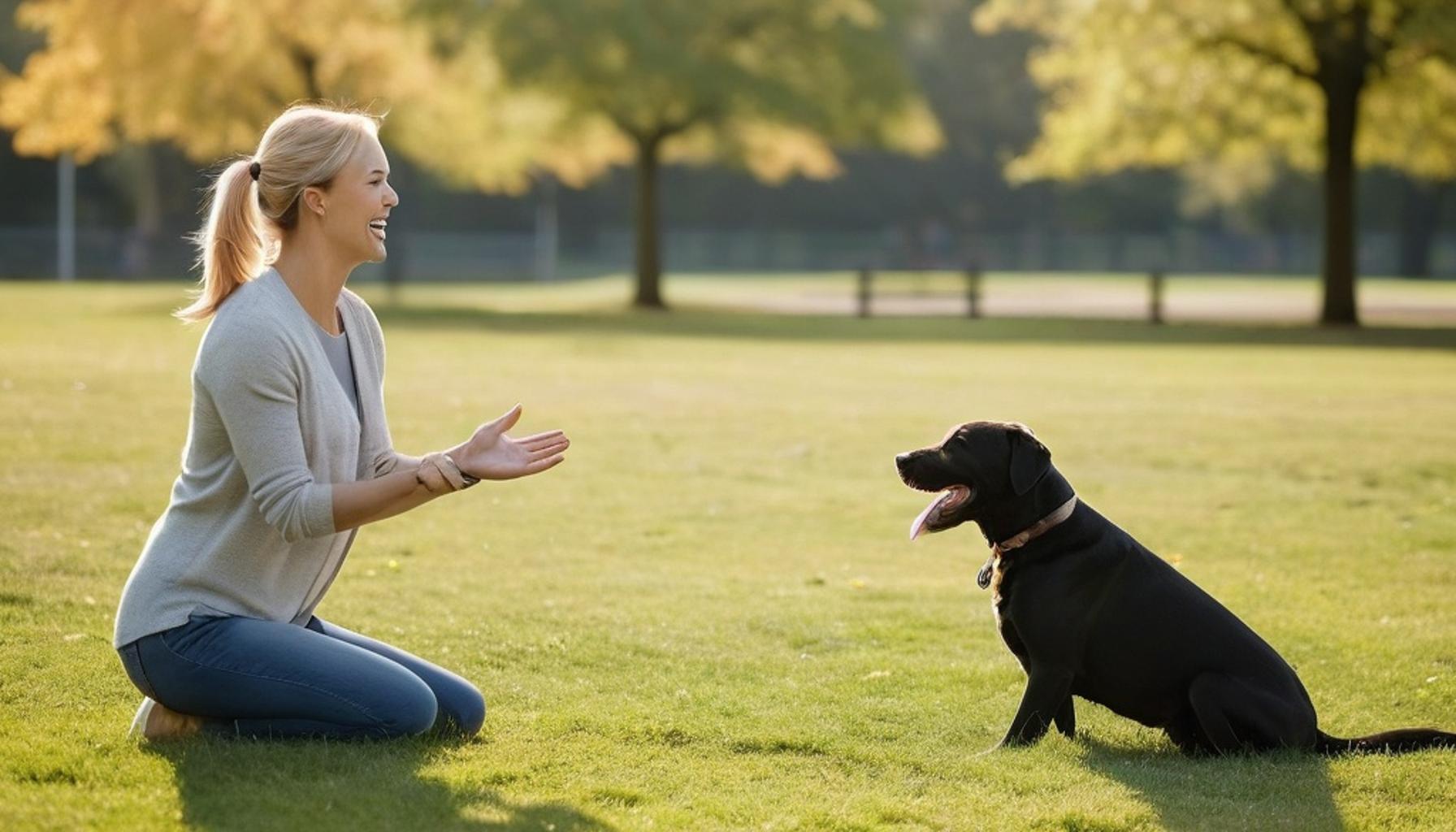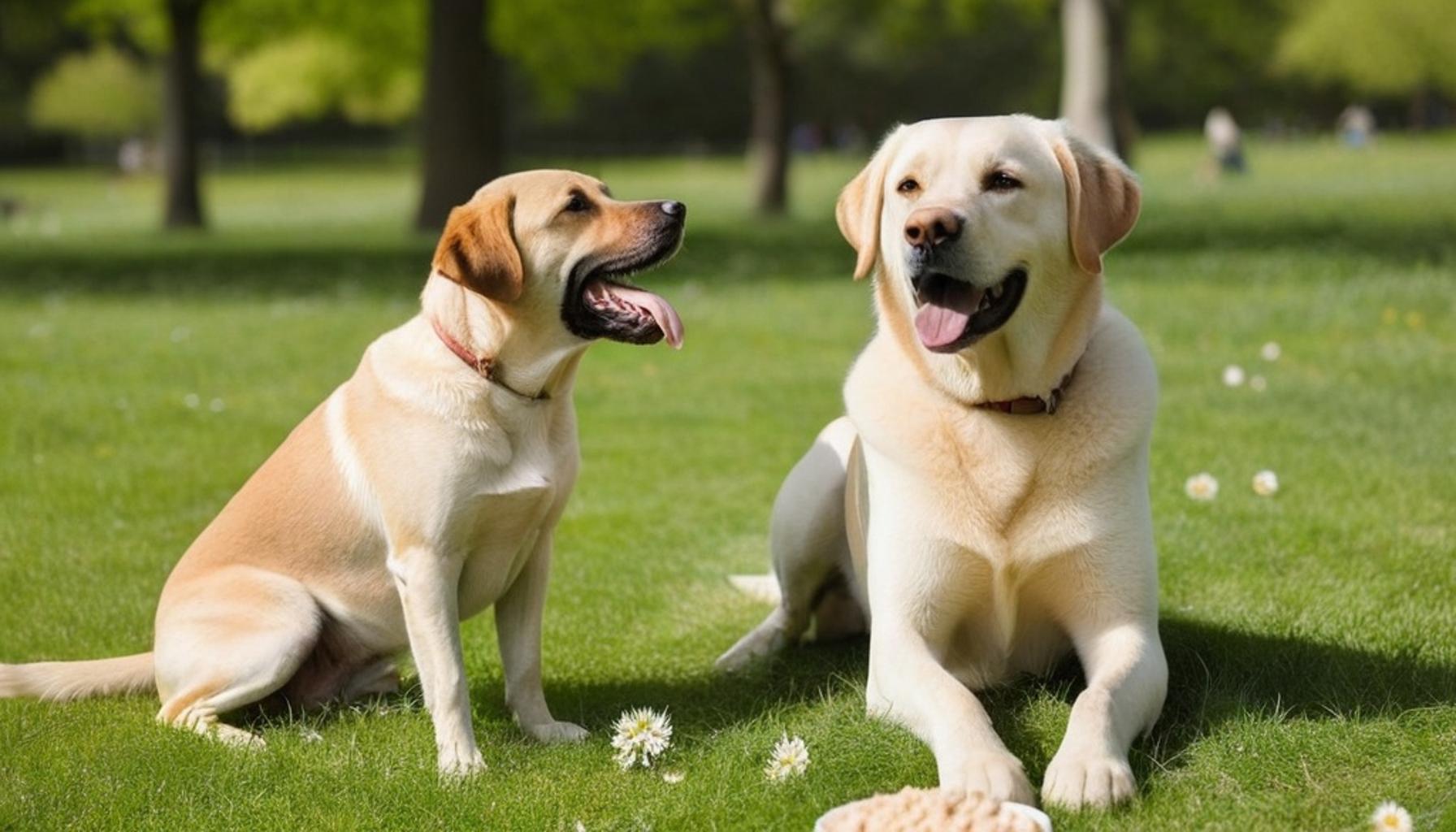
Training Tips for Socializing Puppies: Ensuring Healthy and Happy Behavior
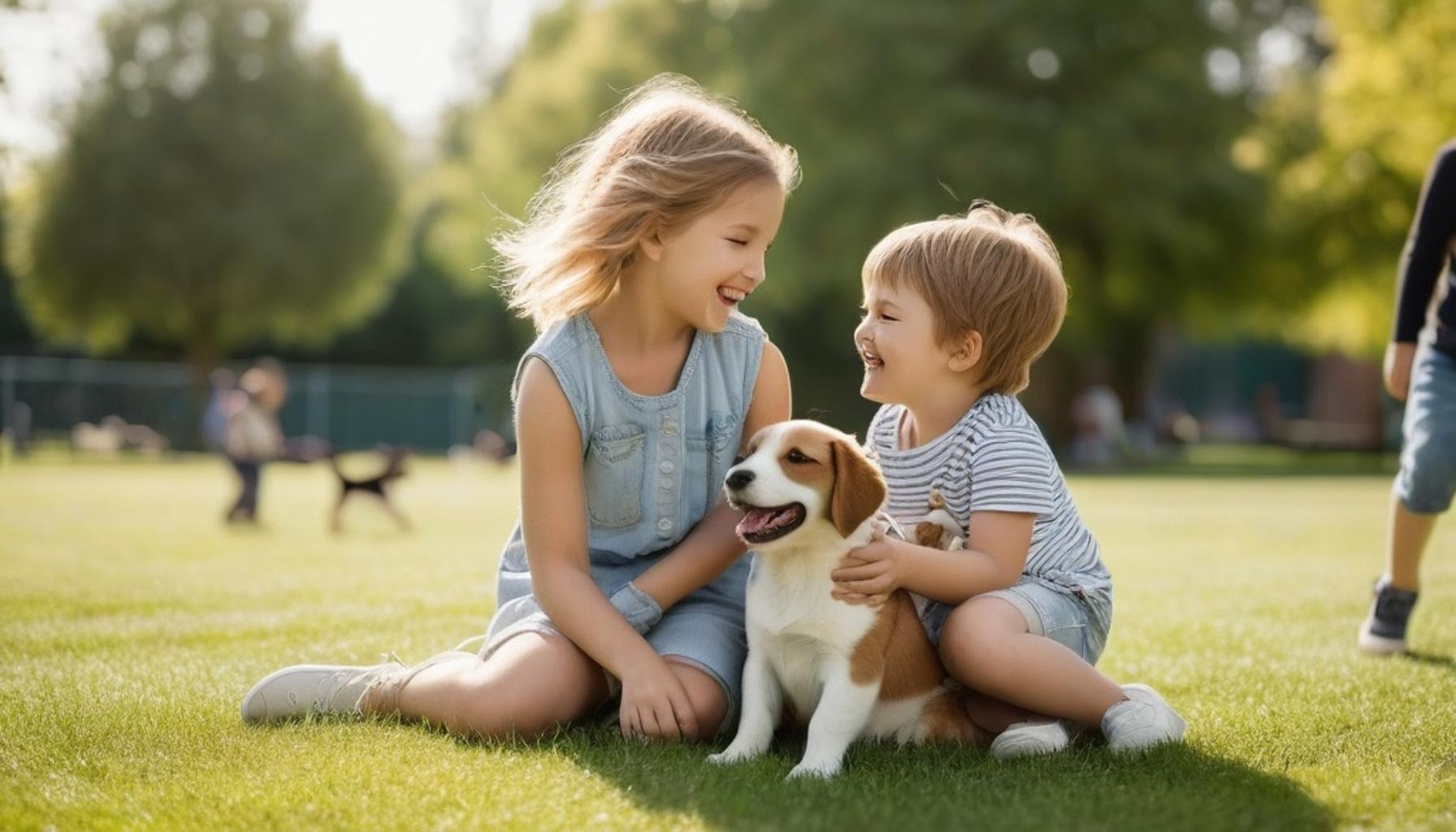
Why Early Socialization Shapes Your Puppy’s Future
A wagging tail at the sight of a stranger in Lekki or calm behavior amid the noise of a Lagos market can trace back to one thing: early socialization. Puppies experience a critical developmental window between three and fourteen weeks, during which their brains are wired to accept new experiences as normal rather than threatening.
Missing this window often leads to fearful or reactive adult dogs. That’s why socializing puppies training tips matter so much to Nigerian pet owners raising companions in bustling, sound-heavy environments. Consider the everyday chaos many Nigerian households navigate: generator hums, motorcycle horns, market vendors calling out prices, and children playing football in the compound. A puppy exposed gradually to these sounds and sights during its formative weeks learns to tune them out as background noise rather than reacting with barking, hiding, or aggression later in life.
What This Guide Covers
This article breaks down practical, easy-to-follow methods for introducing your puppy to the world safely. Expect actionable guidance on:
- Puppy socialization techniques for meeting new people, animals, and environments
- Step-by-step approaches to training a puppy to socialize without overwhelming them
- Age-appropriate exposure schedules backed by veterinary behaviorists
- Common mistakes that derail progress and how to avoid them
Beyond the checklist, this guide dives into why timing matters more than intensity. A puppy rushed through ten new experiences in one afternoon may become overstimulated, while one introduced to a single new stimulus daily—say, a neighbor’s cat one day, a busy okada stand the next—builds resilience steadily. Nigerian breeders and veterinarians increasingly recommend structured exposure plans that mirror international best practices while accounting for local realities like extended family visits, communal compounds, and free-roaming livestock in semi-urban areas.
The Payoff of Getting It Right
The benefits of socializing puppies extend far beyond good manners. Well-socialized dogs show lower stress hormone levels, fewer aggression incidents, and stronger bonds with their families. Veterinary behaviorists have documented that dogs socialized properly during puppyhood are significantly less likely to develop separation anxiety, noise phobias, or unpredictable reactions toward visitors—a particularly valuable trait in Nigerian homes where guests, extended relatives, and domestic staff frequently come and go.
Whether you’re raising a puppy in a busy Abuja compound or a quiet rural homestead, these puppy behavior training tips apply universally. The principles remain consistent regardless of geography: controlled exposure, positive reinforcement, and patience. Read on to discover exactly how to socialize a puppy the right way—starting today, because the effort invested now shapes decades of companionship ahead.
SEE ALSO: Training Tips for Dogs and Cats: Ensuring Healthy Behaviors and Safety at Home
Starting Right: Age-Specific Socialization Windows
Timing separates successful socialization from missed opportunities. Veterinary behaviorists identify three distinct phases within the critical window, each requiring different puppy socialization techniques to match a growing puppy’s cognitive readiness. Missing these windows doesn’t doom a dog to a life of anxiety, but it does mean owners will work considerably harder later to achieve results that come naturally during these early weeks.
Between three and seven weeks, puppies are typically still with their mother and littermates, learning bite inhibition and basic canine communication. This period, often overlooked by new owners because it happens before the puppy even arrives home, lays groundwork that shapes temperament for years. Nigerian breeders who allow this natural interaction to continue uninterrupted give puppies a head start most owners never realize matters this much. A puppy pulled too early from its litter frequently struggles with impulse control and communication skills that littermates would have taught through play and correction.
From seven to twelve weeks—often when families bring a puppy home—the real work of training a puppy to socialize with the human world begins. This is the golden period for introducing:
- Household sounds like blenders, television static, and generator startups
- New surfaces such as tiled floors, gravel compounds, and grassy yards
- Different people, including children, elderly relatives, and unfamiliar visitors
- Car rides to nearby locations, even short trips around the neighborhood
- Gentle handling of paws, ears, and mouth to prepare for future vet visits
Each of these exposures should be brief and positive rather than exhaustive. A puppy that hears a generator roar to life for the first time doesn’t need a marathon session standing beside it—thirty seconds paired with a treat and a calm tone accomplishes far more than an hour of forced endurance. Consistency across these small moments, repeated throughout the week, builds the neural pathways that make novelty feel manageable rather than threatening.
By twelve to fourteen weeks, puppies begin developing stronger fear responses to unfamiliar stimuli. This doesn’t mean the window closes abruptly, but exposure becomes more delicate work requiring patience rather than volume. Owners who rushed through earlier weeks often notice their puppy suddenly balking at things it previously ignored—a normal developmental shift rather than a regression to worry about.
Reading Your Puppy’s Comfort Signals
Understanding how to socialize a puppy effectively means learning to read body language before pushing further. A puppy that tucks its tail, flattens its ears, or tries to hide isn’t being difficult—it’s communicating overwhelm. Forcing continued exposure at this stage often backfires, cementing fear rather than building confidence.
Contrast this with a puppy that approaches cautiously, sniffs, then relaxes; that’s a signal the experience can continue or even intensify slightly. Nigerian households with frequent visitors have a natural advantage here, provided guests are briefed to let the puppy initiate contact rather than crowding it immediately. Extended families, common across many Nigerian homes, offer a built-in resource for varied social exposure that owners in smaller, more isolated households must work harder to replicate.
Research from canine behavior studies suggests puppies exposed to twenty or more novel experiences before sixteen weeks show measurably better adaptability as adults, reacting to stress with curiosity rather than panic. This single statistic underscores why structured, varied exposure during these early weeks pays dividends for years, shaping not just obedience but the emotional resilience that determines whether a dog thrives amid Lagos traffic noise, market crowds, or unfamiliar compounds later in life.
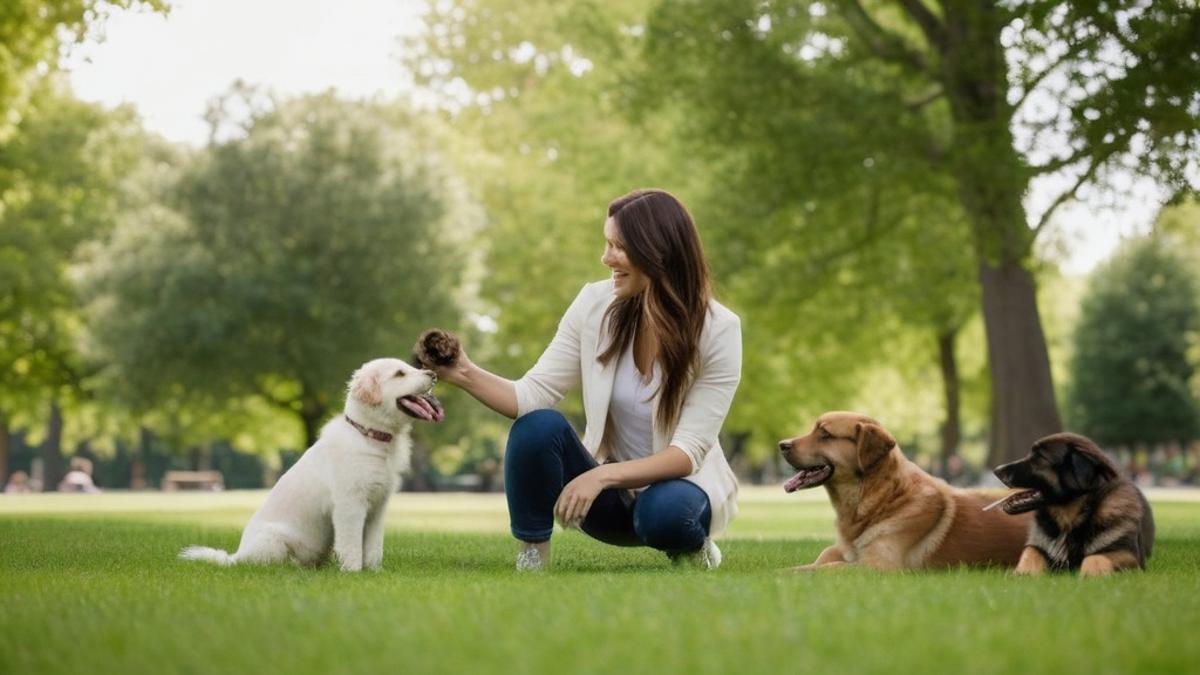
RECOMMENDED: Obedience Training: The Key to Your Pet’s Safety and Health at Home and During Travels
# Building Structure: Practical Methods That Work Across Nigerian Homes
Knowing when to socialize matters less if the methods themselves lack structure. Effective puppy socialization techniques require deliberate planning, not random exposure hoping something sticks. Owners who treat socialization as a checklist item rather than an ongoing practice often see gaps surface months later, usually as unexplained fear of specific triggers that could have been addressed early with consistent effort.
Creating a Socialization Checklist That Reflects Real Life
Generic advice found online rarely accounts for what a puppy will actually encounter in Port Harcourt, Abuja, or a rural compound in Enugu. Effective puppy behavior training tips start with mapping the specific environment a dog will grow up in, rather than borrowing a one-size-fits-all template designed for a completely different climate and culture.
Consider building a checklist tailored to local realities:
- Okada and keke sounds passing close to the compound gate
- Livestock encounters—goats, chickens, or cattle common in many neighborhoods
- Market-style crowding, even simulated briefly in a busy compound
- Rain and thunder exposure, given Nigeria’s intense wet seasons
- Interaction with other vaccinated, friendly dogs in controlled settings
This localized approach separates generic advice from genuinely useful socializing puppies training tips that produce a dog prepared for its actual surroundings rather than a hypothetical suburban environment borrowed from foreign training manuals that rarely mention generators, harmattan dust, or the call to prayer echoing from a nearby mosque.
The Role of Controlled Repetition
One frequently overlooked detail in training a puppy to socialize is that a single exposure rarely produces lasting comfort. Behaviorists recommend at least three to five separate encounters with any new stimulus, spaced across different days, before considering it familiar territory for the puppy.
A puppy meeting a new visitor once may still react nervously to a different unfamiliar face the following week. Repetition across varied examples—not just varied repetition of the same person—teaches generalized confidence rather than a narrow, situation-specific tolerance that collapses the moment circumstances shift slightly.
Short training sessions of five to ten minutes, conducted two or three times daily, outperform occasional long outings. This mirrors how puppies naturally learn from littermates: frequent, brief, low-stakes interactions rather than infrequent intense ones that overwhelm a young, developing nervous system.
Positive Reinforcement as the Foundation
Every credible discussion of how to socialize a puppy returns to reinforcement. Treats, praise, and calm physical affection immediately following a positive encounter cement that experience as safe in the puppy’s memory, building a mental library of situations the dog associates with good outcomes.
Punishment or scolding during fearful moments, by contrast, often worsens the association. A puppy startled by a loud generator and then reprimanded for barking learns to fear both the noise and the owner’s reaction, compounding the problem rather than resolving it, and potentially creating a mistrust that lingers well into adulthood.
Measuring Progress Without Guesswork
The benefits of socializing puppies become visible through observable markers: a puppy that recovers from a startle within seconds, approaches strangers with loose body language, or ignores previously alarming sounds after repeated exposure.
Tracking these small wins in a simple notebook or phone app helps owners identify which experiences need revisiting and which have been successfully mastered, turning an abstract process into measurable progress that any household, regardless of experience level, can follow and adjust as the puppy grows into a confident, well-adjusted companion.
Conclusion: Raising a Dog That Thrives in Its Own Environment
Across every stage discussed, one truth stands out: socializing puppies training tips only work when they reflect the world a dog will actually live in, not a borrowed template from a different climate or culture. A puppy raised in Kaduna faces different sounds, smells, and daily rhythms than one raised in Lagos, and training should acknowledge that from the very first week.
The core lessons are straightforward but easy to overlook. Early exposure during the critical window before sixteen weeks shapes lifelong temperament. Consistent puppy socialization techniques, repeated across varied examples rather than a single event, build genuine confidence instead of fragile familiarity. Positive reinforcement, not correction, remains the foundation of trust between dog and owner.
Equally important is treating training a puppy to socialize as an ongoing process rather than a finite task completed and forgotten. Environments change, new triggers appear, and a dog’s confidence requires occasional reinforcement well into adulthood.
The benefits of socializing puppies extend beyond good manners. A well-socialized dog experiences less stress, integrates smoothly into busy households, and reduces the risk of aggressive or fearful reactions that often lead to abandonment or strained relationships with neighbors.
For owners still uncertain where to begin, the practical puppy behavior training tips outlined here offer a realistic starting point: map the local environment, repeat exposures deliberately, reinforce calm behavior, and track progress honestly.
Ultimately, understanding how to socialize a puppy is less about following rigid rules and more about paying attention—observing what unsettles a young dog, responding with patience, and building trust one small, consistent interaction at a time.

Beatriz
Beatriz Johnson is a seasoned pet care expert and writer with a passion for simplifying the complexities of pet ownership and animal well-being. With over a decade of experience in the field, she specializes in topics like pet nutrition, training techniques, and health care. Through her work on our website, Beatriz empowers pet owners to make informed decisions and provide the best possible care for their furry friends, ensuring happy and healthy lives for their beloved companions.