Training Tips for Dogs and Cats: Ensuring Healthy Behaviors and Safety at Home

Why Every Nigerian Pet Owner Needs a Training Plan
From the bustling estates of Lagos to quiet compounds in Enugu, more Nigerian families are welcoming dogs and cats into their homes. But Training Tips for Dogs and Cats are often overlooked until a chewed slipper or a scratched sofa forces the issue. What many owners fail to realize is that behavior problems rarely fix themselves; they tend to grow louder, messier, and more expensive with time.
Proper dog training techniques and cat behavior training are not luxuries reserved for pet shows or wealthy expatriates. They are essential tools for building safer, calmer households across every income bracket, from Victoria Island apartments to rural compounds in Kwara State.
The Real Cost of Skipping Training
Untrained pets can create daily headaches and, in some cases, serious risks. Nigerian households, often with children running around and gates that swing open for deliveries or visitors, are particularly vulnerable to the fallout of an undisciplined animal. Consider what’s at stake:
- Destroyed furniture, shoes, and electrical wires from bored or anxious pets, a common issue during Nigeria’s long rainy season when animals spend more time indoors
- Aggressive behavior toward visitors, children, or other animals, which can quickly escalate into injury or legal disputes with neighbors
- Escape attempts through open gates, leading to road accidents, theft, or an animal getting permanently lost in a busy market area
- Excessive barking or yowling that strains neighborly relations, especially in tightly packed estates where walls do little to block sound
These issues highlight why pet safety at home starts with consistent, early training rather than reactive punishment after damage has already occurred.
What This Guide Covers
Whether you’re raising an Alsatian for security duties in Abuja or a curious kitten indoors in Port Harcourt, the fundamentals remain remarkably similar. This article breaks down practical, easy-to-follow strategies for training pets in Nigeria, tailored to local realities like limited outdoor space, unpredictable weather, and the challenge of sourcing consistent training tools or professional trainers outside major cities.
You’ll discover simple commands, litter and toilet training methods suited to Nigerian housing layouts, and tips for encouraging healthy pet behaviors without unnecessary stress on either the animal or the family. Along the way, we’ll touch on affordable alternatives to imported training aids and how to adapt international advice to fit local budgets and climates.
By the end, you’ll have a clear roadmap to a well-behaved, safer companion, one that fits comfortably into the rhythm of Nigerian home life rather than disrupting it.
RECOMMENDED: Obedience Training: The Key to Your Pet’s Safety and Health at Home and During Travels
Starting Right: The Foundation of Dog Training Techniques
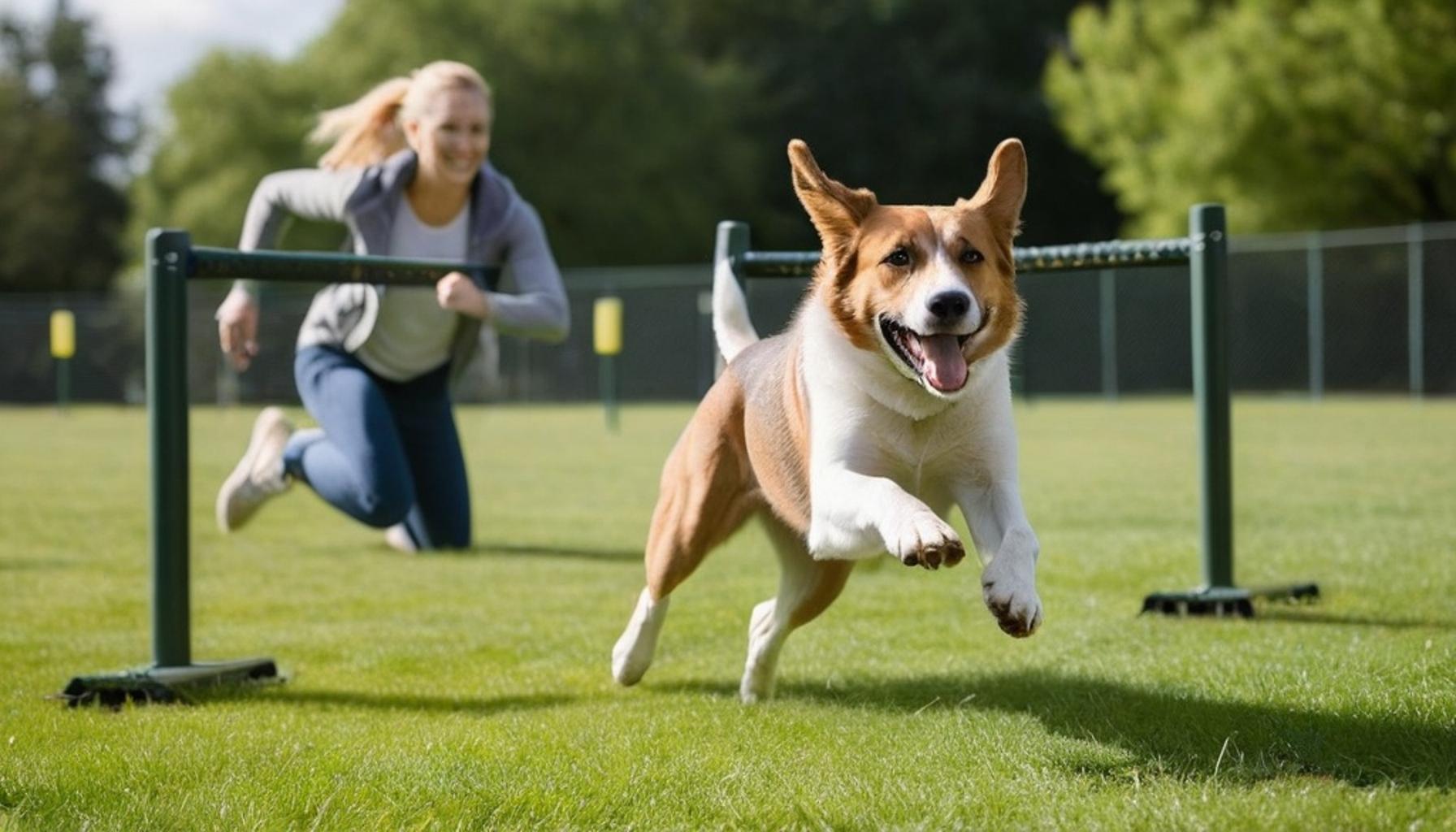
Before introducing a single command, successful dog training techniques depend on timing. Puppies between eight and sixteen weeks old absorb new habits far faster than adult dogs set in their ways. If you’ve just brought home a puppy from a breeder in Ibadan or rescued a stray in Jos, this window is your best opportunity to shape behavior before problems take root. Miss this window, and you are not doomed, but you will need more patience, more repetition, and a much thicker skin for setbacks along the way.
Consistency matters more than intensity. A ten-minute session twice daily produces better results than one exhausting hour on a Sunday afternoon. Nigerian households juggling generator schedules, work commutes, and family duties often find short, repeated sessions easier to maintain anyway. Dogs, much like children, learn through repetition rather than lectures, so a quick session before breakfast and another after dinner will do more than a single marathon attempt once a week ever could.
Environment plays a bigger role than most new owners realize. Training a dog in a noisy compound with generators roaring, hawkers calling out, and motorcycles zooming past requires extra patience because distractions compete for attention. Start indoors or in a quiet corner of the compound before gradually introducing outside chaos, allowing the dog to build focus before facing real-world Nigerian street conditions.
Core Commands Every Nigerian Dog Owner Should Teach
Certain commands go beyond obedience; they directly support pet safety at home, particularly in compounds with open gates, generator houses, or livestock nearby. Focus on these first:
- Sit and Stay, useful when gatemen or delivery riders arrive and you need the dog calm rather than charging the entrance
- Come, critical for calling a dog back before it bolts into traffic on busy roads like those in Onitsha or Kano
- Leave It, essential for households where chickens, generators, or children’s toys share the same compound space
- Quiet, a command that helps manage barking triggered by hawkers, motorcycles, or neighboring dogs in tightly packed estates
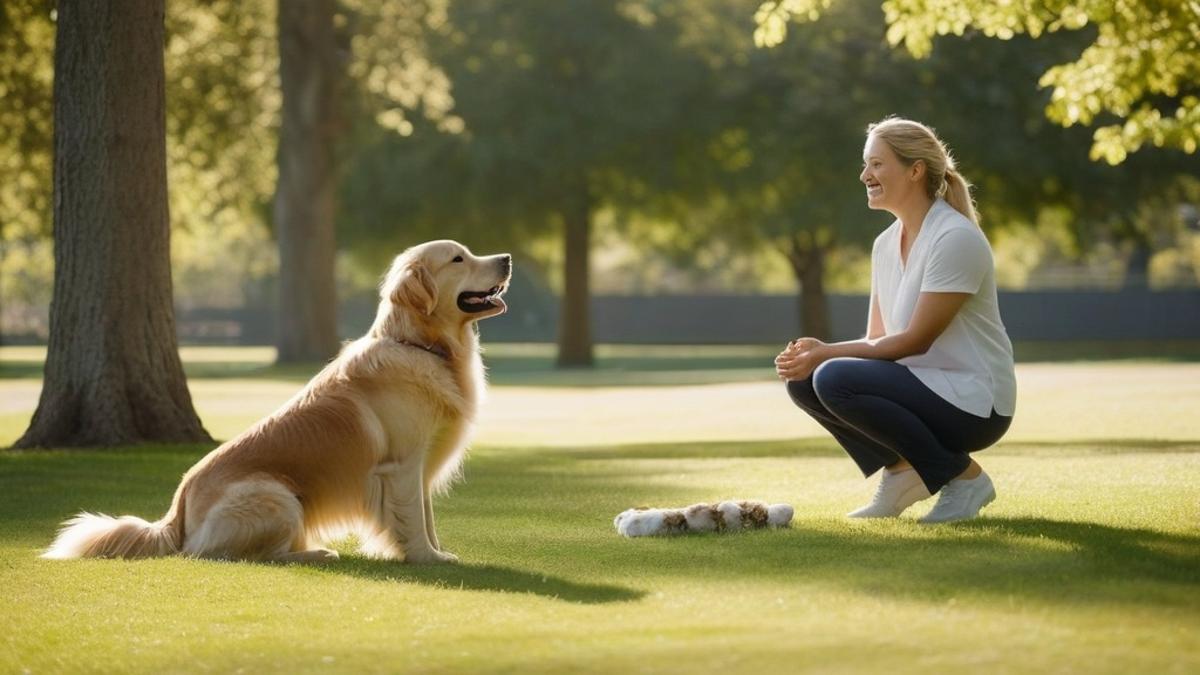
Positive reinforcement remains the most effective approach. Reward-based training using local treats such as small pieces of boiled chicken or fish works just as well as imported treats, without the added cost of sourcing foreign products. Timing the reward within seconds of the correct behavior helps the dog connect action with consequence, something owners often underestimate when training feels slow at first.
Beyond food rewards, praise and physical affection reinforce good behavior just as powerfully. A firm, happy tone paired with a scratch behind the ears tells a dog it has done well, building trust between pet and owner that extends far beyond formal training sessions into everyday household life.
Cat Behavior Training: A Different Approach Entirely
Unlike dogs, cats rarely respond to dominance-based correction. Cat behavior training relies heavily on environment and routine rather than direct commands. Cats are territorial creatures, and disrupting their sense of control often triggers the very behaviors owners want to eliminate, such as scratching furniture or avoiding the litter box entirely. This independence often surprises new cat owners who expect training to mirror what works with dogs.
Punishment-based methods, including shouting or spraying water, tend to increase anxiety rather than correct behavior. Instead, redirect unwanted actions. If a cat scratches the sofa, provide a scratching post nearby and reward use of it immediately with a treat or gentle praise. Placement matters too; positioning the scratching post close to the furniture being damaged increases the likelihood the cat chooses the intended target.
Litter box issues often stem from cleanliness or location rather than defiance. A poorly placed or infrequently cleaned box can push a cat toward alternative spots, so addressing hygiene first often resolves what looks like a behavioral problem.
Understanding these early differences between species sets the stage for building healthy pet behaviors that last well beyond the first few months of ownership.
SEE ALSO: Positive Training: How to Teach Healthy Behaviors to Your Pet
Training Tips for Dogs and Cats: Handling Common Household Hazards
Nigerian compounds present a unique set of risks that many imported pet care guides simply do not address. Open gutters, unfenced generator houses, exposed electrical wiring, and free-roaming livestock all create daily hazards that make pet safety at home a moving target rather than a one-time setup. A guidebook written for a suburban home in Europe or America rarely accounts for the reality of a compound in Lagos, Ibadan, or Port Harcourt, where the layout itself can be unpredictable and constantly shifting.
Effective training pets in Nigeria means accounting for these realities from day one. A dog that ignores a generator house command or a cat that wanders near an open gutter is not being stubborn; it simply has not been taught to recognize that specific space as off-limits. Pet owners who understand this distinction tend to see faster results, because they stop treating the animal’s confusion as defiance and start treating it as a teaching opportunity.
Building Boundaries Around Dangerous Zones
Boundary training works best when introduced gradually and reinforced daily. Walk the dog to the restricted area, say a firm command such as “no go,” and redirect attention elsewhere with a treat or toy the moment it steps back. Consistency matters far more than intensity here; a calm, repeated correction beats a single loud reprimand every time.
Repetition over several days, rather than a single dramatic correction, builds lasting recognition of the boundary. Within two to three weeks of consistent practice, most dogs begin avoiding the zone on their own, even without a command. This timeline can vary depending on breed, age, and how frequently the household reinforces the lesson, so patience becomes a genuine asset rather than an optional virtue.
Cats require a slightly different strategy since verbal commands carry less weight with them. Instead, block access physically using boards, mesh, or furniture placement until the cat naturally loses interest in the restricted route. Removing the option often works faster than any verbal correction ever could, since cats respond more readily to environmental cues than to spoken instructions.
Managing Multi-Pet and Multi-Animal Compounds
Many Nigerian households keep dogs alongside chickens, goats, or other livestock, which introduces additional layers to dog training techniques. A dog that chases poultry is not necessarily aggressive; prey drive is instinctive and requires dedicated redirection rather than punishment alone. Owners who skip this nuance often mistake natural instinct for bad temperament, leading to unnecessary frustration on both sides.
Introduce livestock gradually using a leash, rewarding calm behavior in their presence. Over time, supervised exposure teaches the dog that livestock are part of the household rather than targets, though full trust may take several weeks depending on the dog’s breed and temperament. Some breeds with strong herding or hunting instincts may require extended supervision even after initial progress appears solid.
For households with both cats and dogs, separate feeding stations and designated resting spaces reduce competition-driven tension. Territorial disputes between species often stem from shared food bowls or overlapping sleeping areas rather than genuine incompatibility, and simple spatial adjustments can resolve conflicts that owners initially assume are permanent personality clashes.
Reinforcing Healthy Pet Behaviors Long-Term
Sustaining healthy pet behaviors requires ongoing reinforcement, not a single successful training phase. Even well-trained animals can slip into old habits if commands go unused for extended periods, particularly during rainy seasons when outdoor routines shift and hazards like flooded gutters become more prominent.
Weekly refresher sessions, even short ones lasting five minutes, help maintain sharpness. Pair this with routine veterinary checkups, since underlying health issues frequently masquerade as behavioral problems, particularly in cats that suddenly stop using their litter box or dogs that become unusually aggressive. A vet visit can rule out pain, infection, or other medical causes before assuming the issue is purely behavioral.
These Training Tips for Dogs and Cats ultimately work best when treated as an ongoing relationship rather than a checklist to complete and forget. Compounds change, households grow, and new hazards emerge, which means training itself should remain flexible enough to adapt alongside them.
RECOMMENDED: Training Strategies to Reduce Undesirable Behaviors in Pets and Improve Mental Health
Final Thoughts: Making Safety and Training a Household Culture
Raising a well-behaved dog or cat in a Nigerian home is never really about mastering a fixed set of commands. It is about building a shared understanding between animal and household, one that accounts for open gutters, unpredictable generator schedules, and the occasional wandering goat next door. Training Tips for Dogs and Cats only prove useful when they are adapted to these everyday realities rather than copied word-for-word from a foreign manual.
Throughout this discussion, one theme keeps resurfacing: consistency outperforms intensity. Whether teaching a dog to avoid a generator house or helping a cat lose interest in a dangerous gutter, slow and repeated reinforcement produces results that a single dramatic correction never will. The same principle applies to multi-pet compounds, where patience with prey drive and territorial instincts prevents small tensions from becoming lasting conflicts.
Pet safety at home also depends heavily on observation. Owners who notice subtle shifts, a dog suddenly avoiding food, a cat skipping the litter box, are often catching early signs of stress or illness before they escalate into bigger problems. Pairing behavioral training with regular veterinary attention closes gaps that training alone cannot address.
For anyone serious about training pets in Nigeria, a few final considerations stand out:
- Treat boundary training as ongoing, especially during rainy seasons when hazards shift.
- Use dog training techniques that account for instinct rather than punishing natural behavior.
- Apply cat behavior training methods that rely on environment rather than verbal correction alone.
- Schedule brief weekly refreshers to maintain healthy pet behaviors long after initial training ends.
Compounds evolve, families expand, and new risks appear without warning. A pet care approach that stays flexible, observant, and rooted in local realities will always outperform one that treats training as a finished task rather than a continuing relationship worth investing in.
Frequently Asked Questions
What are the best training tips for dogs and cats in a typical Nigerian home with limited outdoor space?
Focus on short, consistent indoor sessions using treats or toys as rewards, since many Nigerian homes have compact compounds rather than large yards. Teach basic commands like sit, stay, and come in a quiet corner of the house before gradually adding distractions. For cats, use a scratching post and litter box placed in a fixed spot to build predictable habits despite limited space.
How can I train my dog to stop barking at visitors and okada riders in my neighborhood?
Start by desensitizing your dog to common neighborhood sounds like motorcycle engines and gate knocks using recorded sounds at low volume, rewarding calm behavior. Gradually introduce real visitors while keeping your dog on a leash and reinforcing quiet behavior with treats. Consistency from everyone in the household is key, as mixed reactions confuse the dog and slow progress.
Is it safe to train dogs and cats together in the same household in Nigeria?
Yes, but introductions should be gradual, starting with scent swapping and short supervised meetings in separate spaces before allowing direct contact. Reward calm behavior from both pets and never force interactions, especially with local breeds that may be more territorial. Proper training reduces fights and helps them coexist safely, which is important given the smaller living spaces common in many Nigerian homes.
What household dangers should I train my pet to avoid in a Nigerian home?
Train pets to stay away from generators, kerosene stoves, and exposed electrical wires, which are common hazards in many Nigerian households. Use a firm command like ‘no’ or ‘leave it’ paired with redirection to a safe toy or spot whenever they approach these areas. Consistent boundary training also helps prevent access to compound gates where they could wander into traffic.
How long does it typically take to housetrain a puppy or kitten in a hot, humid climate like Nigeria’s?
Most puppies and kittens can be housetrained within four to eight weeks with consistent scheduling, though the process may take longer during the rainy season when outdoor trips are less convenient. Take puppies outside first thing in the morning, after meals, and before bedtime, while keeping a cat’s litter box easily accessible indoors. Patience and positive reinforcement, rather than punishment, speed up learning regardless of the weather.

Beatriz
Beatriz Johnson is a seasoned pet care expert and writer with a passion for simplifying the complexities of pet ownership and animal well-being. With over a decade of experience in the field, she specializes in topics like pet nutrition, training techniques, and health care. Through her work on our website, Beatriz empowers pet owners to make informed decisions and provide the best possible care for their furry friends, ensuring happy and healthy lives for their beloved companions.