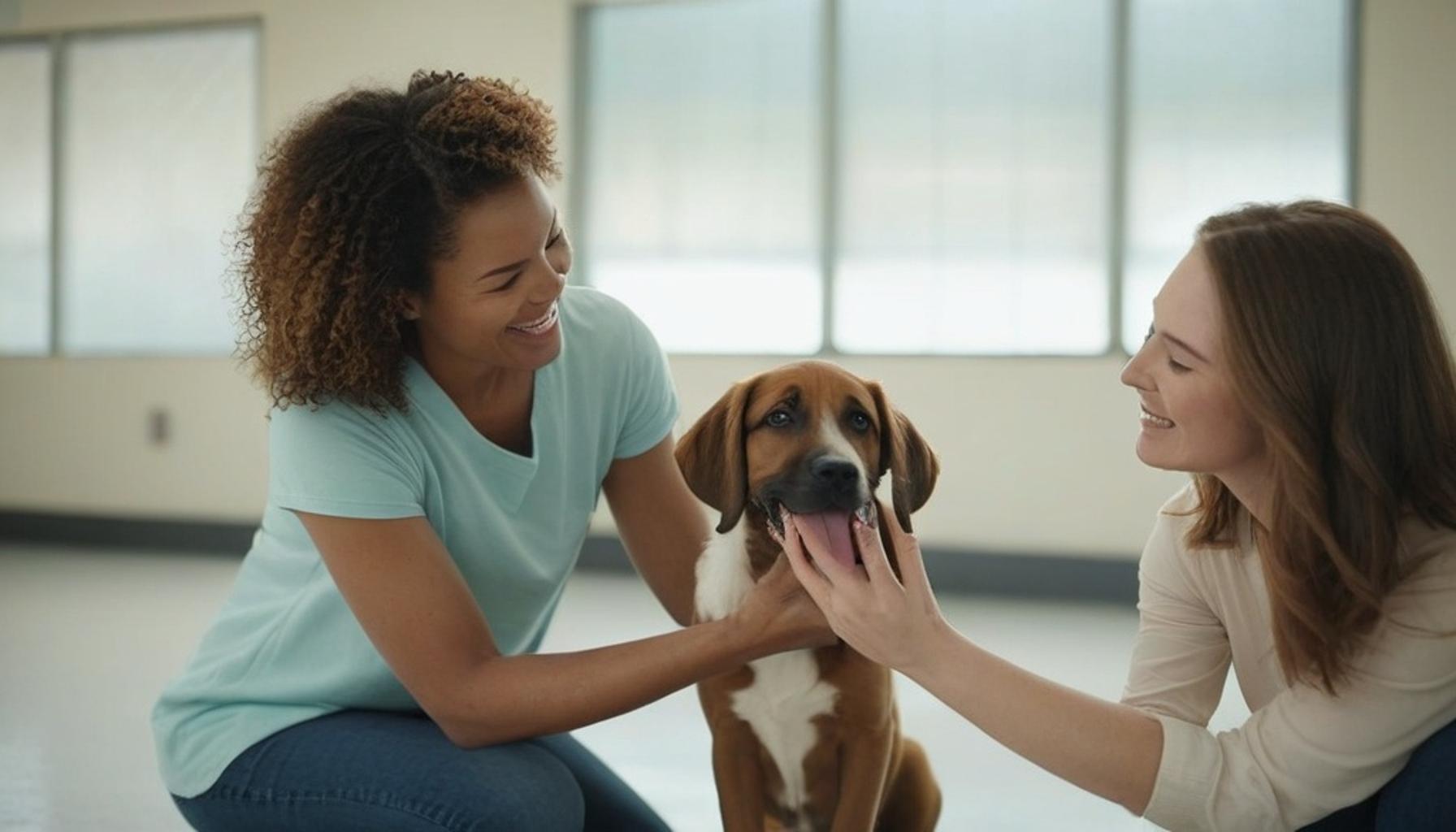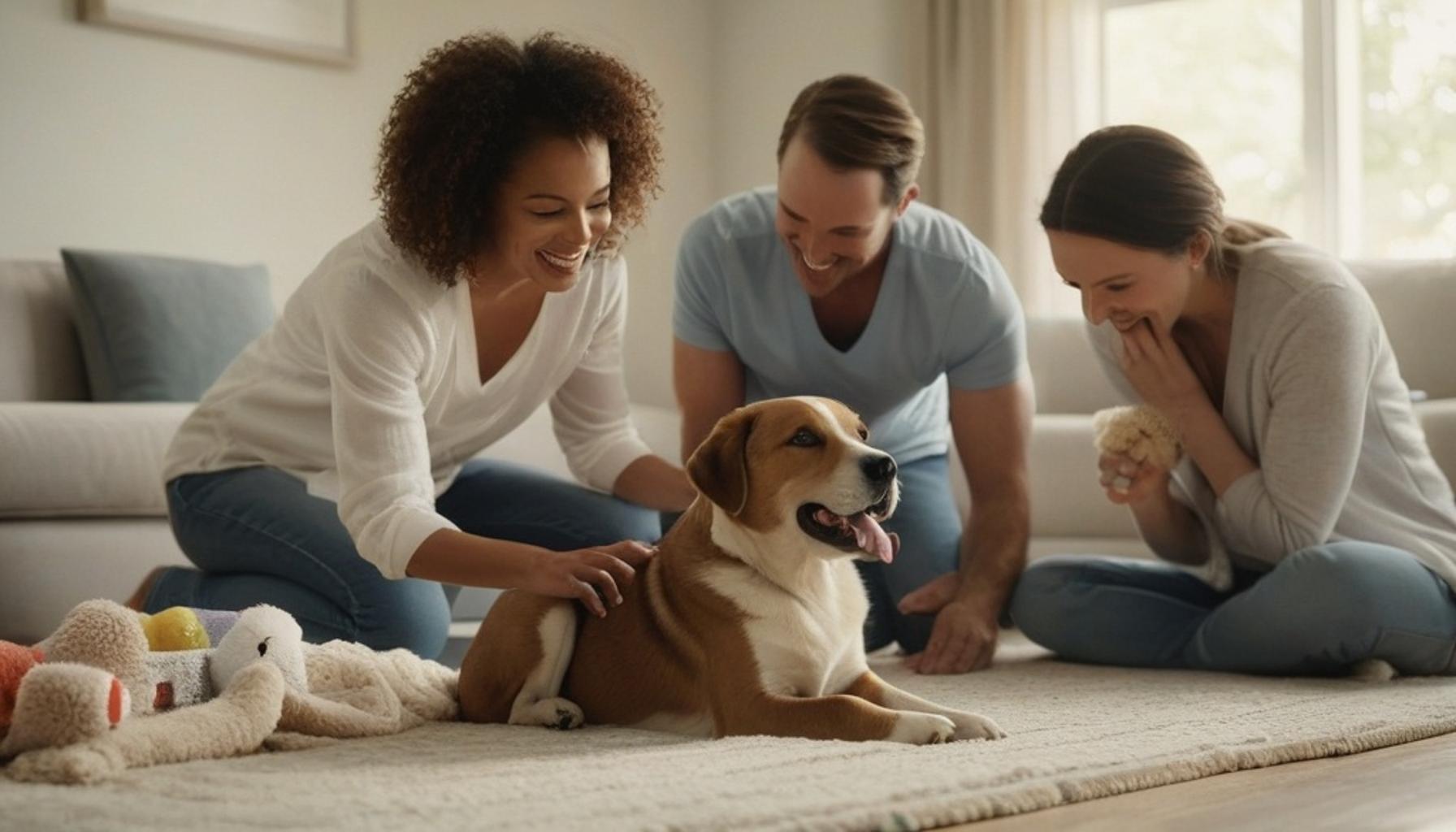
Training and Socialization: How to Prepare Your New Adopted Pet for a Happy Life

Bringing Home a New Companion: Where the Real Work Begins
That excitement of walking into a Lagos shelter or a local rescue centre in Abuja and picking out a wagging tail or curious pair of eyes is unforgettable. But the adoption paperwork is just the beginning of the journey.
New adopted pet training is the foundation that determines whether your furry friend thrives or struggles in their new home.
Why Socialization Matters More Than You Think
Studies suggest that up to 20% of adopted pets are returned to shelters within the first six months, often due to behavioral issues that proper training could have prevented. This statistic alone should make any new pet owner pause and consider just how much effort goes into the weeks following an adoption, long after the initial excitement fades.
Socialization for adopted pets isn’t optional — it’s essential for:
- Building trust between you and your new companion
- Reducing anxiety in unfamiliar environments, like busy Nigerian streets or family gatherings
- Preventing aggressive or fearful behavior around strangers and other animals
- Creating a stable routine that mirrors the structure they may have lacked before
Consider a dog rescued from the streets of Ibadan or a cat that spent months in a crowded shelter cage. These animals often arrive with invisible scars — not physical injuries, but emotional ones shaped by uncertainty, hunger, or neglect. A sudden change of environment, no matter how loving, can feel overwhelming rather than comforting if not handled with care. This is precisely why gradual exposure to noise, people, and other pets makes such a significant difference in the first few weeks.
Nigerian households often come with their own unique dynamics — extended family visits, generator noise, market runs, and the occasional stray animal wandering into compounds. All of these factors mean that socialization strategies here may need slight adjustments compared to what’s typically recommended in Western training guides. Recognizing this cultural context can make training far more effective and realistic.
What This Guide Will Cover
Whether you’ve adopted a nervous rescue dog or a shy cat, effective training tips for new pets can transform their outlook on life. Small, consistent actions — like establishing feeding times, offering safe hiding spots, and using positive reinforcement — often yield surprising results within just a few weeks.
We’ll explore practical strategies covering how to train adopted dogs, introduce them to new environments, and address common behavioral hurdles such as excessive barking, chewing, or withdrawal. We’ll also examine how patience during the first thirty days can shape a pet’s long-term temperament.
From understanding pet adoption training processes to celebrating small victories, this guide offers a roadmap toward a genuinely happy life for adopted pets — one built on patience, consistency, and understanding. By the end, you’ll have a clearer sense of what your new companion truly needs to feel safe, secure, and at home in Nigeria.
CHECK OUT: Preparing Your Home for an Adopted Pet: Safety, Hygiene, and Enrichment
The First Thirty Days: Building a Foundation of Trust
Animal behaviorists often call the initial weeks after adoption the “decompression period.” During this time, your new companion is essentially learning a new language — the sounds of your household, your scent, your routines, and the rhythm of your neighborhood, whether that’s the hum of Lagos traffic or the quiet mornings of a Kaduna compound.
New adopted pet training should start gently, not with commands, but with observation. Watch how your pet reacts to closed doors, loud voices, or sudden movements. These small cues tell you far more than any training manual ever could.
Creating a Safe Starting Point
Before diving into obedience exercises, experts recommend giving pets a defined “decompression zone” — a quiet corner, crate, or room where they can retreat without pressure. This single step often prevents weeks of unnecessary anxiety. Think of it as the pet’s own personal space in a bustling household, similar to how a newcomer to a busy Lagos estate might need a few quiet days before feeling comfortable greeting every neighbor.
Practical steps for the first few days include:
- Limiting visitors so your pet isn’t overwhelmed by unfamiliar faces too soon
- Keeping feeding and walking times consistent, even on weekends
- Introducing household sounds gradually, such as generators or blenders
- Allowing your pet to explore one room at a time rather than the entire house at once
- Avoiding forced physical contact until the animal initiates it
This measured approach forms the backbone of effective socialization for adopted pets, particularly those coming from high-stress environments like overcrowded shelters or the streets. In Nigerian cities where community life is loud and communal, this can be tricky — dogs and cats are often exposed to market noise, generator hums, and constant foot traffic almost immediately. Building a buffer zone, even a small one, gives them the mental space to adjust at their own pace rather than being thrown into the deep end of sensory overload.
Many first-time adopters underestimate just how disorienting a new environment can be for an animal that has spent weeks or months in uncertain conditions. A shelter dog, for instance, may have never experienced the specific creak of a gate or the particular bark of a neighbor’s dog. Every sound is new information to process, and every new information point requires energy and attention. Giving them a controlled space to retreat to isn’t coddling — it’s simply respecting their nervous system’s need to catch up.
Reading the Signs Before Teaching Commands
Many new owners rush into teaching “sit” or “stay” within the first week, unaware that their pet is still mentally adjusting. Veterinary behaviorists suggest that meaningful training tips for new pets only become effective once the animal feels physically secure. Attempting obedience work too early can actually slow progress, since a stressed animal is biologically wired to focus on survival, not learning new tricks.
Signs your pet may still be adjusting include excessive hiding, refusal to eat, or flinching at sudden movement. On the other hand, a wagging tail during play, relaxed ears, or approaching you voluntarily are strong indicators that trust is forming. Some pets may also start displaying playful curiosity, like sniffing around furniture or following you from room to room — small signals that shouldn’t be ignored, as they often mark the turning point where real training can begin.
Understanding this emotional timeline is central to any successful approach on how to train adopted dogs or cats. Skipping this stage often backfires, leading to setbacks that could take months to reverse. Patience here isn’t just kindness — it’s strategy. Owners who invest time in this early observation phase often find that later training sessions go far more smoothly, since the animal has already learned to associate its new home, and its new owner, with safety rather than stress.

Key Aspects of New Adopted Pet Training and Socialization
Successful new adopted pet training depends on structured routines and early exposure to new experiences. Below is a quick reference table summarizing the core pillars every adopter should understand before diving deeper into socialization for adopted pets.
| Category | Focus & Benefit |
|---|---|
| Basic Obedience | Training tips for new pets like sit, stay, and recall build trust and safety. |
| Early Socialization | Exposure to people, pets, and sounds reduces anxiety and fear-based reactions. |
| Crate & Space Training | Teaches independence, supporting a happy life for adopted pets. |
| Consistency in Routine | Predictable schedules speed up pet adoption training processes. |
Why These Steps Matter for Adopted Animals
Many shelter animals arrive with unknown histories, making patience essential. Understanding how to train adopted dogs means recognizing that some may need three to six months to fully adjust, according to behaviorists at the ASPCA.
RECOMMENDED: Adoption and Nutrition: Creating a Balanced Diet for Your New Rescued Pet
From Trust to Technique: Practical Steps in Pet Adoption Training Processes
Once your pet has settled into its decompression zone and begins showing signs of comfort, the real work of new adopted pet training can begin. This is the stage where structure meets patience, and where consistency becomes your greatest tool.
Veterinary behaviorists across Africa and beyond agree on one thing: short, frequent sessions outperform long, exhausting ones. A ten-minute training session, repeated three times a day, often yields better results than a single thirty-minute drill that leaves both pet and owner frustrated.
This principle matters even more for rescue animals, many of whom arrive with unknown histories. A dog picked up from a Lagos roadside or a cat rehomed from an overwhelmed shelter in Ibadan may carry invisible stress that resurfaces under pressure. Breaking training into digestible bites respects that hidden history while still moving progress forward.
Starting With Basic Commands That Matter
For anyone wondering how to train adopted dogs, the answer usually begins with functional commands rather than impressive tricks. “Sit,” “stay,” and “come” aren’t just parlor tricks — they’re safety tools, especially in Nigerian neighborhoods where open compounds, motorcycles, and free-roaming animals are common.
Consider the practical value of a solid “stay” command when your gate is open for a delivery, or when hawkers pass by your compound. These moments, ordinary as they seem, can turn dangerous if your pet dashes into traffic or a busy market road.
Effective early commands to focus on include:
- “Sit” — establishes calm behavior before meals or greetings
- “Stay” — prevents dashing through open gates or doors
- “Come” — builds recall, crucial in open compounds without fencing
- “Leave it” — discourages scavenging, common with free-roaming pets
- “Quiet” — helps manage excessive barking, especially in close-knit estates
Positive reinforcement, using treats, praise, or play, remains the gold standard. Studies from animal welfare organizations show that reward-based training produces faster results and fewer behavioral issues than punishment-based methods, which often increase fear and aggression instead of reducing unwanted behavior.
Timing plays a surprisingly large role here. Rewarding a behavior within one or two seconds of it happening helps the animal form a clear mental connection, whereas delayed praise, given even ten seconds later, can confuse rather than reinforce. This small detail often separates households that see quick progress from those that struggle for months.
Socialization Beyond the Home Environment
True socialization for adopted pets extends beyond the four walls of your compound. Gradual exposure to the outside world, other animals, unfamiliar people, and different environments, builds resilience and confidence.
In cities like Abuja or Port Harcourt, this might mean short walks around the neighborhood before attempting a crowded market visit. Introducing your pet to one new stimulus at a time prevents overwhelm and reduces the risk of fear-based reactions like biting or excessive barking.
Some practical training tips for new pets during this expansion phase include arranging supervised meetings with a neighbor’s calm dog, allowing your cat to explore a secured balcony before a full outdoor experience, and rewarding calm behavior around unfamiliar noises rather than reacting anxiously yourself.
Pets often mirror their owner’s energy. An owner who stays relaxed during a loud okada engine or unexpected thunder teaches their pet, through simple association, that these sounds aren’t threats worth fearing.
Weather and seasonal shifts also offer unexpected training opportunities. The noise of heavy rainfall during Nigeria’s wet season, or the crackle of fireworks during festive celebrations, can be turned into confidence-building moments if approached calmly and gradually, rather than avoided entirely.
Building this kind of confidence doesn’t happen overnight, but each small success adds up, laying the groundwork for a genuinely happy life for adopted pets who once knew only uncertainty. Owners who track these small wins, whether through a simple notebook or a phone app, often find it easier to notice patterns, celebrate progress, and adjust their approach when a particular technique isn’t working as expected.
LEARN MORE: Responsible Adoption: The Role of Nutrition in the Health and Well-Being of Rescued Pets
Bringing It All Together: The Long Road to a Confident, Well-Adjusted Companion
Every rescue story, whether it starts on a dusty street in Kano or inside a crowded shelter in Lagos, follows a similar arc: fear gives way to trust, and trust gives way to routine. That arc is the heart of new adopted pet training, and it rarely moves in a straight line.
Setbacks are normal. A dog that flinches at a slammed gate months into training hasn’t failed, and neither has its owner. Progress in pet adoption training processes tends to look more like a winding footpath than a straight highway, with quiet plateaus followed by sudden breakthroughs.
What separates households that succeed from those that give up early often isn’t luck or breed or even budget. It’s consistency, paired with realistic expectations about how long genuine change takes.
Key Takeaways Worth Remembering
- Short, frequent training sessions beat long, exhausting ones
- Functional commands protect pets in Nigeria’s busy compounds and streets
- Gradual exposure builds resilience better than sudden, overwhelming experiences
- An owner’s calm energy directly shapes a pet’s sense of safety
- Tracking small wins reveals patterns invisible in day-to-day frustration
Anyone still researching how to train adopted dogs, or wondering why a rescued cat hides under furniture weeks after arrival, should take comfort in one fact: patience, not perfection, drives lasting change. Behavioral experts consistently note that pets rehabilitated through positive, reward-based methods show fewer relapses into fear or aggression than those trained through fear or force.
The practical training tips for new pets shared throughout this piece aren’t a rigid checklist. They’re a flexible framework, meant to be adapted to your pet’s personality, your household’s rhythm, and even Nigeria’s unpredictable weather and street noise.
Ultimately, socialization for adopted pets and structured training work together as two halves of the same goal: helping an animal move from survival mode into genuine comfort. That shift, however slow, is what defines a truly happy life for adopted pets and the humans lucky enough to share it with them.
Frequently Asked Questions
How soon after adoption should I start training my new pet in Nigeria’s climate and environment?
You can begin basic new adopted pet training within the first few days, but keep sessions short and calm to help your pet settle in first. Given Nigeria’s hot weather, schedule training in the early morning or evening when temperatures are cooler. Start with simple commands like sit and come before moving to leash walking in busy compounds or streets.
What are the best ways to socialize a rescued dog with children and other pets common in Nigerian homes?
Introduce your rescued dog to family members, including children, one at a time in a quiet, controlled space rather than a crowded compound. Reward calm behavior with treats or praise to build positive associations, and always supervise early interactions with other pets like local breed dogs or cats. Gradually expose them to household noises, generators, and visitors typical in Nigerian homes to build confidence.
How do I handle house training for an adopted puppy or cat given typical Nigerian housing setups?
Since many Nigerian homes have compounds without fenced yards, designate a specific outdoor spot or a litter box area indoors and take your pet there consistently after meals and naps. Use consistent verbal cues and reward successful attempts immediately to reinforce the habit. Patience is key, as house training an adopted pet can take a few weeks depending on their previous living conditions before rescue.
Where can I find affordable training support or resources for newly adopted pets in Nigerian cities like Lagos or Abuja?
Many veterinary clinics in Lagos, Abuja, and Port Harcourt now offer basic obedience guidance alongside vaccination visits, so ask during your first checkup. Local pet adoption groups and Facebook communities focused on Nigerian pet owners often share free tips and connect you with experienced trainers. YouTube tutorials tailored to new adopted pet training are also a practical, low-cost option for hands-on learning at home.

Beatriz
Beatriz Johnson is a seasoned pet care expert and writer with a passion for simplifying the complexities of pet ownership and animal well-being. With over a decade of experience in the field, she specializes in topics like pet nutrition, training techniques, and health care. Through her work on our website, Beatriz empowers pet owners to make informed decisions and provide the best possible care for their furry friends, ensuring happy and healthy lives for their beloved companions.