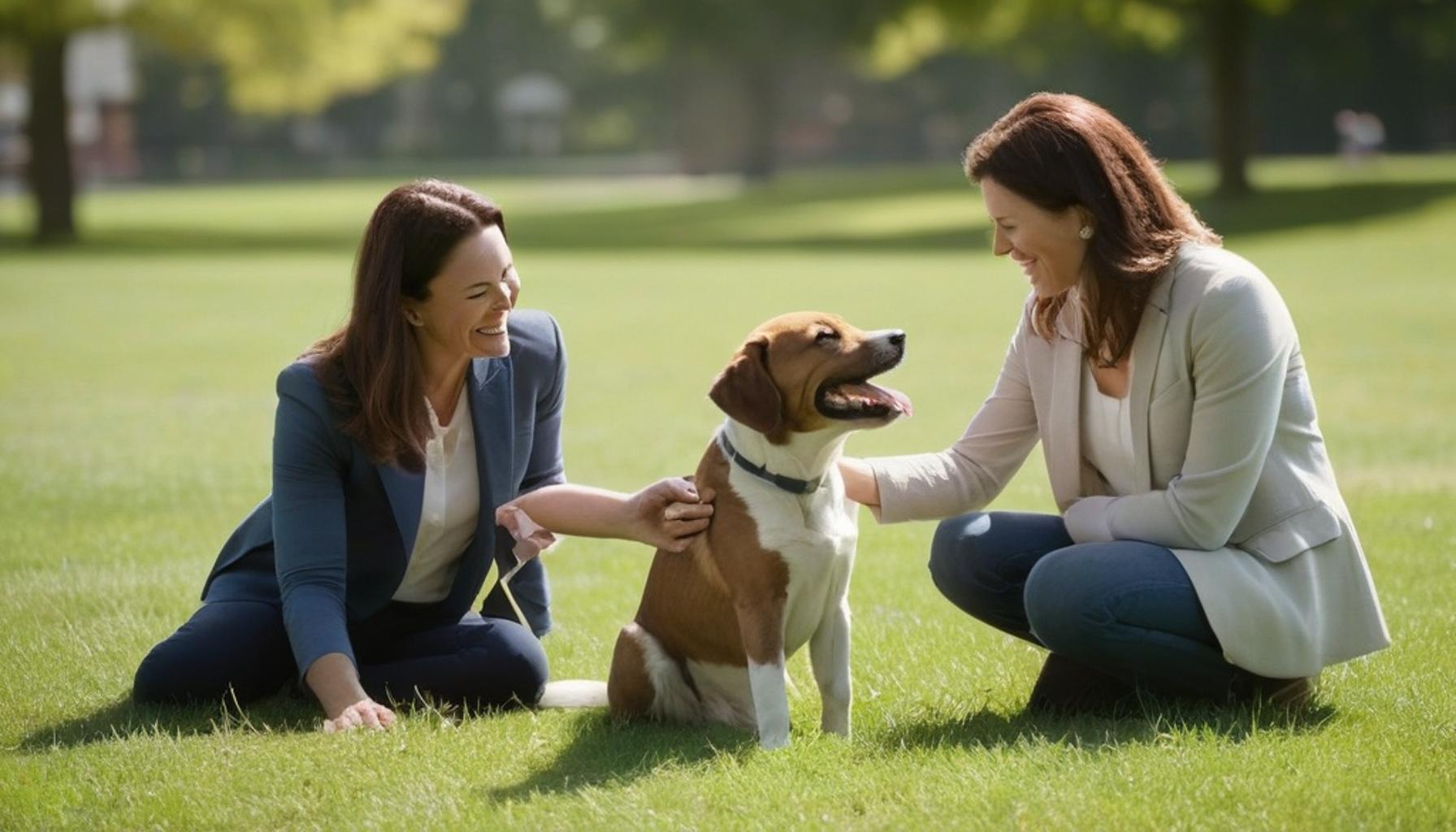
Preparing Your Home for an Adopted Pet: Safety, Hygiene, and Enrichment
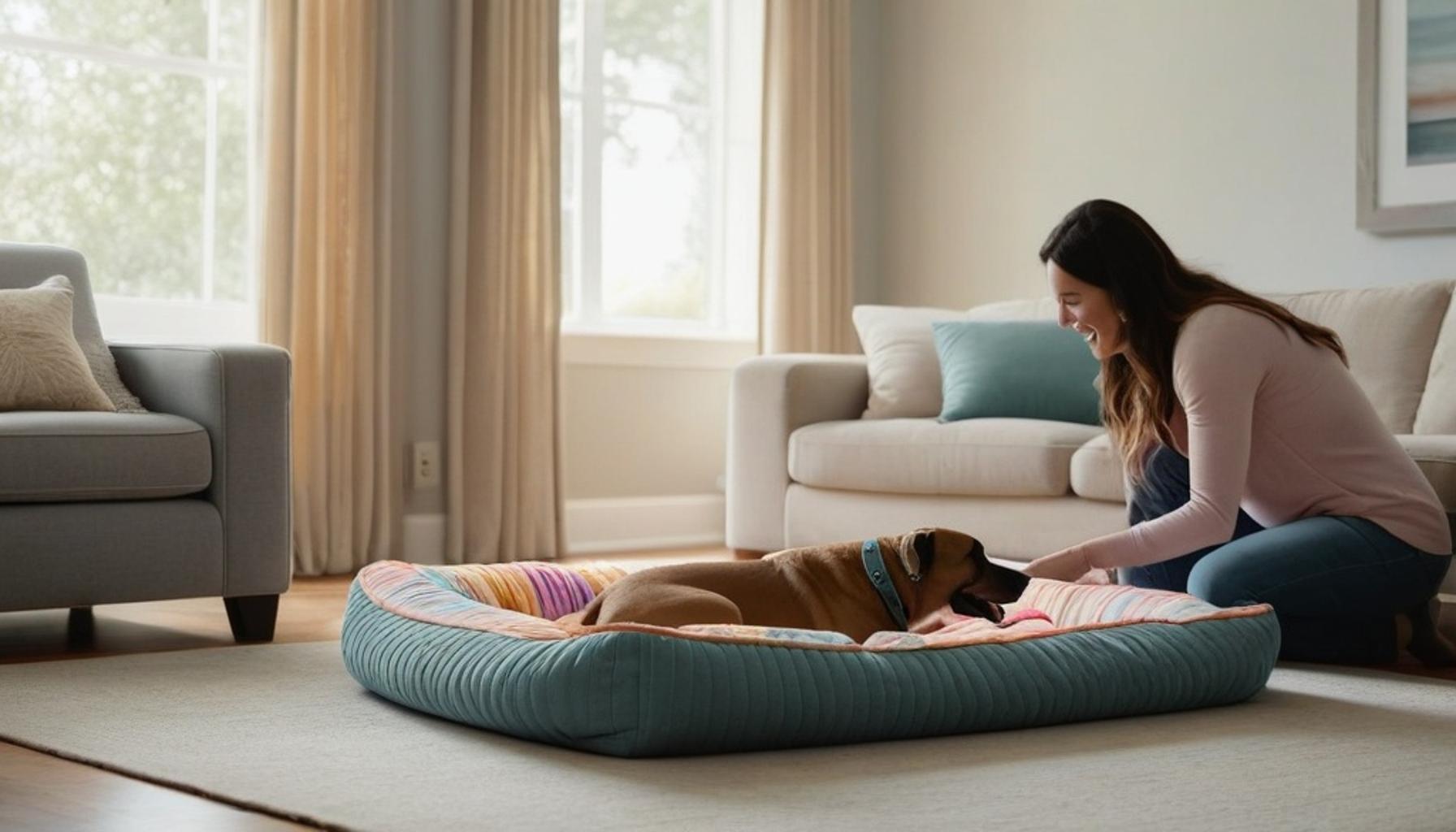
Welcome Home: Getting Ready for Your New Companion
Across Nigeria, from Lagos apartments to Abuja compounds, more families are opening their doors to rescued cats and dogs. This growing trend of pet adoption brings joy, but also responsibility that many first-time owners overlook. In cities like Benin and Kano, animal shelters have noted a steady rise in adoption applications over the past two years, a sign that attitudes toward pet ownership are shifting across the country.
Preparing Your Home for an Adopted Pet is not just about buying a food bowl and a leash. It involves thoughtful planning around safety, cleanliness, and mental stimulation for your new companion. Many Nigerian homes, especially those with open compounds or shared apartment complexes, present unique challenges that require creative solutions before a pet ever arrives.
Shelters report that pets returned within the first month often suffer from preventable issues, stress, injury, or illness caused by an unprepared environment. A few simple steps beforehand can dramatically reduce these risks. Some rescue organizations in Lagos have started requiring home assessments before finalizing adoptions, a practice that reflects just how seriously preparation is now being taken.
Why This Matters
Adopted animals frequently arrive with unknown histories, past trauma, or health conditions that require extra attention. Getting your space right from day one builds trust faster and prevents costly vet visits. A dog rescued from the streets of Ibadan, for instance, may react differently to loud noises or sudden movements compared to one raised in a stable home, making patience and preparation essential.
- Pet safety tips for new pet owners, including securing fences, cabinets, and electrical cords, particularly important in compounds where gates are frequently left open
- Home hygiene for adopted pets, covering cleaning routines and parasite prevention, especially relevant given Nigeria’s warm climate that encourages flea and tick activity
- Pet enrichment activities at home to ease anxiety and boredom, from puzzle toys to simple games that mimic natural instincts
This guide walks you through creating a safe space for pets, complete with a practical adopted pet care checklist. Whether you’re welcoming a street-rescued dog in Ibadan or a shelter cat in Port Harcourt, these strategies apply. Understanding your pet’s background, adjusting your home accordingly, and committing to consistent routines can transform a nervous new arrival into a confident, loving member of the family within weeks rather than months.
CHECK OUT: Responsible Adoption: How to Prepare Your Home for a New Pet
Room-by-Room: Pet-Proofing the Nigerian Home
Before any adopted animal steps through your door, a thorough walk-through of your living space can prevent weeks of stress and unexpected veterinary bills. Preparing Your Home for an Adopted Pet starts with seeing your surroundings the way a curious dog or cat would, low to the ground, alert to gaps, wires, and anything chewable.
Compound living, common across much of Nigeria, introduces risks that many first-time adopters underestimate. Open gates, loose fencing, and shared courtyards mean an anxious new pet can bolt within minutes of arrival. Shelter workers in Lagos frequently mention that escape attempts happen most often during the first 48 hours, when animals are still disoriented by unfamiliar sounds and smells. A market trip, a visiting relative, or even the sound of a generator kicking on can trigger panic in an animal that has not yet learned your household’s rhythm.
Kitchens deserve particular attention. Many Nigerian households store yam peelings, bones from suya, or leftover pepper soup within easy reach, all of which can cause digestive distress or worse in a new pet unfamiliar with portion control. Onions, garlic, and chocolate, ingredients common in local cooking, rank among the most dangerous foods for dogs and cats. Keeping trash bins covered and countertops clear during the adjustment period removes temptation before it becomes an emergency.
Essential Pet Safety Tips for New Pet Owners
Basic safety adjustments matter more than expensive equipment. A few practical changes can dramatically reduce accidents and injuries during those critical first weeks.
- Inspect fences and gates for gaps wide enough for a small dog or cat to squeeze through
- Secure loose electrical cords, especially generator cables commonly left exposed in Nigerian homes
- Store cleaning chemicals, insecticides, and rat poison well out of reach, preferably in locked cabinets
- Remove small objects, coins, or plastic bags from floors and low tables
- Check for sharp edges on furniture, particularly in homes with concrete or tiled flooring where falls are harder on joints
- Cover open drains or soakaway pits within the compound, which pose drowning or injury risks to smaller animals
These pet safety tips for new pet owners apply whether you live in a Lekki apartment or an Enugu bungalow with a wide compound. The goal is simple: eliminate hazards before instinct or fear drives your pet toward them. Even seasoned pet owners occasionally overlook items like mosquito coil holders or exposed insecticide spray cans, both of which can prove harmful if knocked over or chewed.
Setting Boundaries Without Causing Distress
Many rescued animals arrive with heightened sensitivity to confinement, a lingering effect of shelter life or street survival. Baby gates, indoor pens, or a single designated room can ease this transition without feeling like punishment.
Veterinarians working with rescue groups in Abuja often recommend limiting a new pet’s access to one or two rooms during the first week. This controlled introduction, part of any solid creating a safe space for pets strategy, allows animals to build confidence gradually rather than facing an entire unfamiliar house at once. Expanding their territory slowly, room by room, tends to produce calmer, more secure pets within a shorter timeframe than allowing full access immediately. Patience during this phase often determines how smoothly the entire adoption journey unfolds.
Preparing Your Home for an Adopted Pet: Key Aspects at a Glance
Before bringing a new companion home, understanding the essential pillars of pet safety tips for new pet owners can prevent stressful surprises. The table below breaks down critical categories every adopter should review, offering a quick reference for building an adopted pet care checklist that actually works.
| Category | Why It Matters |
|---|---|
| Home Safety | Creating a safe space for pets reduces injury risk from toxic plants, loose wires, and open windows. |
| Hygiene Routine | Home hygiene for adopted pets lowers infection risk and keeps shared living areas odor-free. |
| Enrichment | Pet enrichment activities at home curb anxiety and destructive behavior within the first weeks. |
Each category above connects directly to long-term wellbeing, proving that Preparing Your Home for an Adopted Pet involves far more than a bed and a bowl.
CHECK OUT: Health and Well-Being: Veterinary Care Tips for Adopted Animals
Home Hygiene and Enrichment: Building Healthy Habits from Day One
Safety measures only address half the equation. Home hygiene for adopted pets plays an equally critical role in preventing illness during the vulnerable adjustment period, when stress can weaken an animal’s immune response and make them susceptible to infections they might otherwise resist.
Nigeria’s tropical climate, with its humidity and frequent rainfall, creates favorable conditions for parasites, fungal infections, and bacterial growth. A rescued dog or cat may arrive carrying fleas, ticks, or mange, conditions common among strays navigating open markets and refuse dumps. Bathing areas, feeding bowls, and sleeping mats require regular disinfection, not just for the pet’s sake but to protect household members, particularly children, from zoonotic diseases.
Many new pet owners underestimate how quickly a seemingly minor skin irritation can spiral into a full-blown infection within Nigeria’s warm, moisture-heavy environment. Ringworm, a fungal condition thriving in humid conditions, spreads easily between animals and humans sharing close quarters. Veterinarians in Lagos frequently note that families who delay hygiene routines during the first weeks often end up managing preventable outbreaks that could have been avoided with basic diligence.
Practical Hygiene Routines Worth Adopting
Establishing cleaning habits early prevents small issues from escalating into costly veterinary visits. Consider these routines as non-negotiable parts of your adopted pet care checklist.
- Wash food and water bowls daily using hot water and mild soap, avoiding strong disinfectants that leave residue
- Launder bedding weekly, especially during rainy season when dampness encourages mold and mite growth
- Schedule a veterinary visit within the first week to screen for parasites common in Nigerian strays, including ticks, fleas, and intestinal worms
- Disinfect any area used for toileting, particularly in compounds where multiple animals may share outdoor space
- Keep grooming tools separate if introducing a new pet into a household with existing animals, reducing cross-contamination risk
Local veterinary clinics in cities like Ibadan and Port Harcourt report that deworming and tick treatment rank among the most requested services for newly adopted animals, a reflection of how common these issues remain among Nigeria’s stray population.
Households in areas prone to flooding, such as parts of Lagos and Bayelsa, face additional challenges keeping pet spaces dry. Elevating sleeping areas off damp floors and using breathable bedding materials can significantly reduce the risk of fungal growth, a detail often overlooked until problems already surface.
Mental Stimulation Matters as Much as Physical Health
Beyond cleanliness and hazard removal, adopted animals need mental engagement to settle comfortably into domestic life. Boredom often triggers destructive behavior, chewing furniture, digging at doors, or excessive barking, especially in dogs previously accustomed to roaming freely.
Simple pet enrichment activities at home can channel this energy productively. Hiding treats around a room, rotating toys weekly, or using empty plastic bottles as makeshift puzzle feeders costs little but yields noticeable behavioral improvements. Cats, meanwhile, often respond well to vertical spaces, a sturdy shelf or window ledge lets them observe their surroundings from a position that feels secure.
Interestingly, enrichment does not demand expensive imported products. Everyday household items, cardboard boxes, old towels knotted into tug toys, or repurposed containers, can serve the same purpose as commercial puzzle feeders sold abroad. This makes enrichment accessible even for families working within tight budgets, proving that thoughtful engagement matters more than cost.
Animal behaviorists note that enrichment reduces anxiety-driven behaviors within two to three weeks when applied consistently. For families genuinely committed to Preparing Your Home for an Adopted Pet, combining hygiene discipline with thoughtful stimulation often produces the calmest, healthiest transition outcomes.
YOU MAY ALSO LIKE: Enrichment and Socialization: Training Your New Companion for a Happy Life
Bringing It All Together: A Foundation Built on Care
Preparing Your Home for an Adopted Pet is never a single task completed the day before arrival. It is a layered process, one that blends physical safety, disciplined hygiene, and genuine mental engagement into a routine that evolves as the animal settles in.
Across Nigerian households, from Lagos apartments to compounds in Enugu, the pattern remains consistent. Families who treat these three pillars as connected, rather than separate checklists, report smoother transitions and fewer emergency veterinary visits within the first month.
Reviewing the ground covered, sturdy fencing and hazard-proofing prevent physical harm. Consistent disinfection routines guard against parasites and infections thriving in Nigeria’s humid climate. Enrichment activities, meanwhile, address the emotional wellbeing that determines whether a rescued animal thrives or merely survives within its new environment.
These elements reinforce each other in ways easily overlooked. A bored dog left unstimulated may destroy bedding meant to keep it dry during rainy season. A cat denied vertical space may seek unsafe perches, undermining safety measures already put in place. Nothing operates in isolation.
For anyone still assembling their adopted pet care checklist, consider starting small rather than attempting every measure simultaneously. Secure one hazard this week, establish one cleaning routine next week, introduce one enrichment activity the following week. Gradual implementation often sticks better than overwhelming overhauls attempted overnight.
These pet safety tips for new pet owners extend beyond convenience, they represent a genuine investment in an animal’s recovery from whatever hardship preceded adoption. Nigeria’s growing community of rescue organizations continues emphasizing this point: a well-prepared home often determines whether an adoption succeeds long-term or ends in return.
Ultimately, creating a safe space for pets reflects something larger than household logistics. It signals a household’s readiness to extend patience and consistency toward a creature adjusting to unfamiliar surroundings, one deserving every consideration a thoughtful family can offer.
Frequently Asked Questions
What are the most important safety checks before bringing an adopted pet into a Nigerian home?
Secure your compound fencing and gates since many Nigerian homes have gaps that allow pets to escape onto busy roads. Remove access to open drainage channels, gutters, and chemicals like insecticides or rat poison that are commonly stored in stores or kitchens. Also check for exposed electrical wires and low windows without nets, especially if you live in a storey building.
How do I keep my home hygienic after adopting a pet given Nigeria’s hot and humid climate?
Clean feeding bowls and bedding daily since heat and humidity speed up bacterial growth and attract flies and ants. Use pet-safe disinfectants to wipe litter areas or kennels at least twice a week and ensure proper waste disposal to avoid attracting rodents or mosquitoes. Regular deworming and flea treatment are also essential because parasites thrive in Nigeria’s warm weather.
What affordable enrichment activities can I set up for an adopted pet in a Nigerian household?
You can repurpose household items like empty plastic bottles, cardboard boxes, and old tyres to create toys or climbing structures for dogs and cats. Taking daily walks around your neighborhood or compound also provides mental stimulation without extra cost. Puzzle feeders can even be improvised using egg cartons or containers with small holes to slow down feeding and engage their minds.
How can I introduce an adopted pet to other animals or children already living in my Nigerian home?
Introduce the new pet gradually in a neutral space, keeping initial interactions short and supervised to prevent territorial aggression common with local dogs or cats. Teach children to approach calmly and avoid loud noises that might startle a newly adopted animal still adjusting to its environment. Reward-based training with treats can help build positive associations between the new pet, existing pets, and family members over the first few weeks.

Beatriz
Beatriz Johnson is a seasoned pet care expert and writer with a passion for simplifying the complexities of pet ownership and animal well-being. With over a decade of experience in the field, she specializes in topics like pet nutrition, training techniques, and health care. Through her work on our website, Beatriz empowers pet owners to make informed decisions and provide the best possible care for their furry friends, ensuring happy and healthy lives for their beloved companions.