Puppy Socialization: The Foundation for Healthy Behavior and Obedience in Dogs and Cats

Why Early Exposure Shapes a Lifetime of Good Behavior
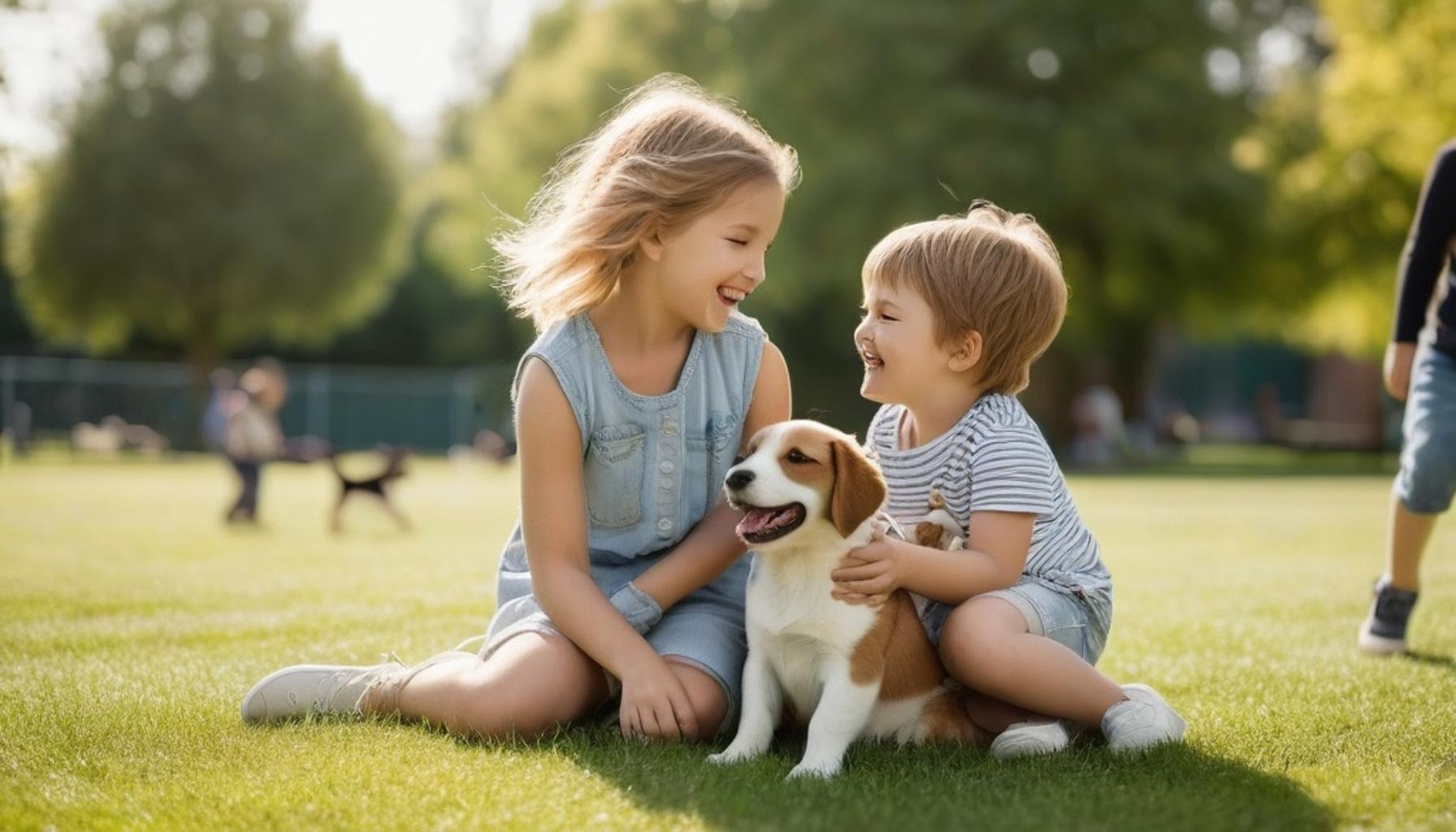
A puppy’s first few months set the tone for everything that follows. From bustling markets in Lagos to quiet compounds in Kano, every new sight, sound, and smell becomes a lesson in how to handle the world. This critical window is where puppy socialization truly begins, and it happens far faster than most owners realize.
Veterinary behaviorists agree that dogs exposed to varied experiences between 3 and 14 weeks of age grow into calmer, more adaptable adults. This is often referred to as the “golden window” of canine development, a period when a puppy’s brain is exceptionally receptive to new stimuli without defaulting to fear. Miss this window, and owners often face fearfulness, aggression, or excessive barking later on. A dog that never encountered motorcycles, generator noise, or crowded compounds as a puppy may react with panic or hostility as an adult, long after the behavior could have been gently corrected. Understanding the importance of early socialization in dogs can save households years of frustration, unnecessary vet bills, and even strained relationships with neighbors who bear the brunt of a poorly adjusted dog.
What This Article Will Cover
This guide breaks down practical, research-backed strategies Nigerian pet owners can apply immediately, drawing from real household situations rather than generic textbook advice. It considers the unique rhythms of Nigerian life, from noisy okada traffic to communal compound living, and shows how these everyday realities can actually become socialization tools rather than obstacles.
- Puppy training tips for busy households with limited time, including quick five-minute exercises that fit around work schedules
- Techniques for socializing puppies with other pets, including cats and even poultry common in local compounds, without triggering chaos or injury
- The direct link between puppy behavior and obedience and structured early exposure, backed by observable patterns in adult dogs
- Measurable benefits of puppy socialization, from reduced vet visits to fewer neighbor complaints and safer interactions with visitors
Whether raising a guard dog for a family compound or a gentle companion for city living, the principles remain consistent across breeds and backgrounds. The question isn’t whether socialization matters—it’s how soon owners choose to start, and what they stand to lose by waiting.
RECOMMENDED: Positive Training: How to Teach Healthy Behaviors to Your Pet
The Science Behind the Critical Socialization Window
Puppy socialization is not guesswork; it is rooted in decades of veterinary behavioral research. Studies from the American Veterinary Society of Animal Behavior show that puppies who meet at least 100 different people and experiences before 12 weeks of age display significantly lower rates of fear-based aggression as adults. That number might sound ambitious for a household in Ibadan or Enugu, but it is far more achievable than most owners assume once everyday activities are counted as valid exposure.
The puppy brain during this stage is wired for learning rather than avoidance. After roughly 14 weeks, the same nervous system that welcomed new stimuli with curiosity begins treating unfamiliar things with suspicion. This shift explains why a six-month-old dog meeting a wheelbarrow-pushing vendor for the first time might bark uncontrollably, while a ten-week-old puppy exposed to the same scene would simply sniff and move on.
Everyday Nigerian Settings That Double as Training Grounds
Owners do not need elaborate equipment or expensive classes to apply the importance of early socialization in dogs. Nigerian compounds, markets, and streets already provide a rich sensory curriculum. What matters is consistency and calm exposure rather than overwhelming the puppy all at once.
- Short walks near okada stands to introduce engine noise gradually, starting from a distance before moving closer over several days
- Brief visits to a compound gate during hawker traffic, allowing the puppy to observe strangers without being forced to interact
- Supervised time near generators when they start up, paired with treats to build positive association instead of fear
- Controlled introductions to household chickens or goats common in many family compounds, teaching impulse control early
- Car rides to a relative’s house, even short ones, to normalize motion and unfamiliar environments
Each of these moments, when handled with patience, becomes part of a structured socialization plan without feeling like formal training.
Why Timing Beats Intensity
Many well-meaning owners wait until a puppy is fully vaccinated at 16 weeks before introducing it to the outside world. Veterinarians increasingly argue against this blanket delay. The American Animal Hospital Association recommends beginning controlled socialization as early as 7 to 8 weeks, provided the puppy has received its first round of vaccines and avoids high-risk areas like open gutters or unfamiliar stray dog territory.
Waiting too long carries a measurable cost. Behaviorists frequently trace adult dog reactivity back to a socialization gap between 8 and 14 weeks, a period that, once missed, cannot be fully recreated later. This is precisely why puppy behavior and obedience outcomes so often hinge on decisions made in a dog’s very first weeks at home, long before formal training sessions ever begin.

RECOMMENDED: Training Tips for Dogs and Cats: Ensuring Healthy Behaviors and Safety at Home
Extending Socialization to Multi-Pet Nigerian Households
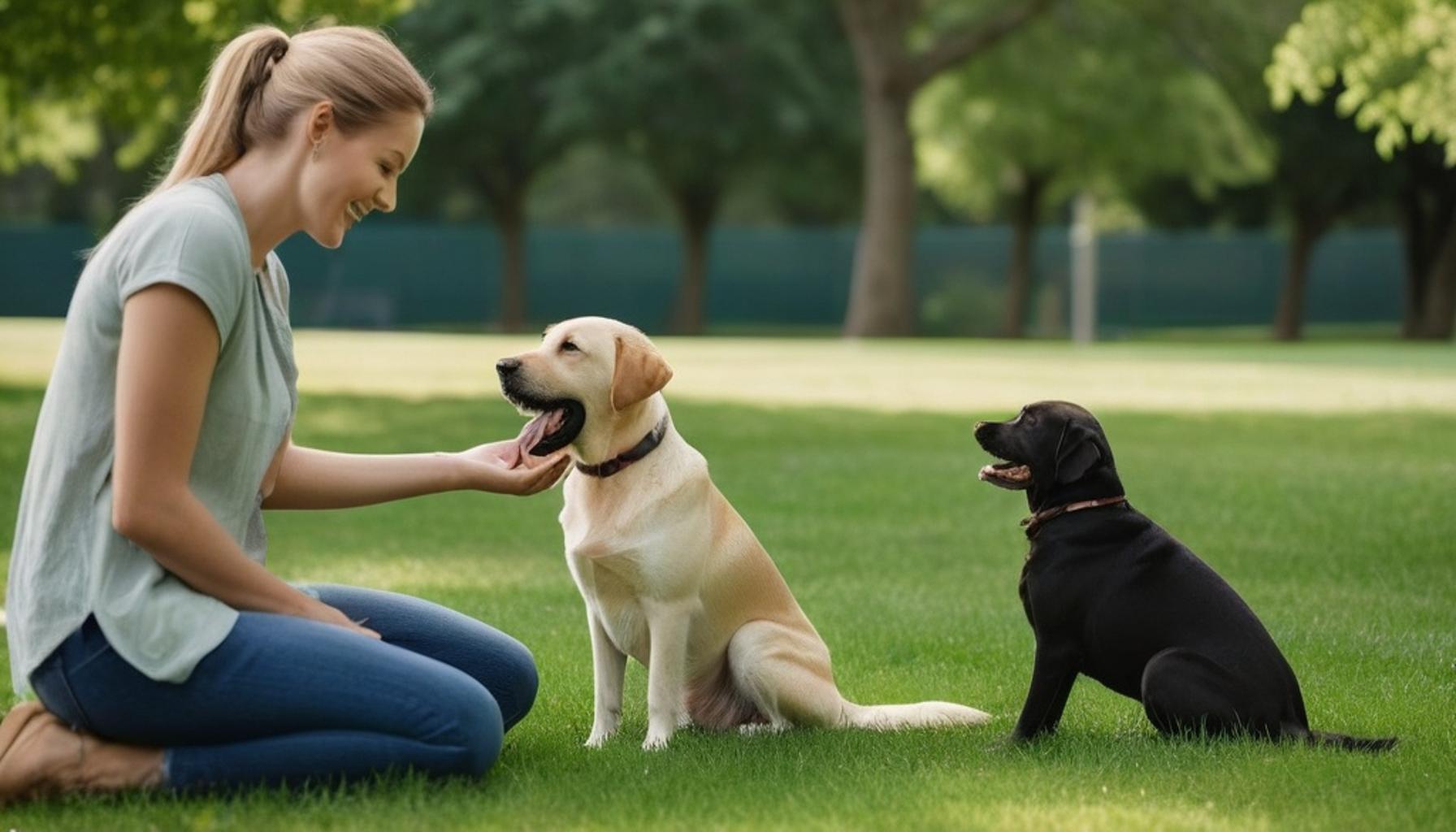
Many homes across Lagos, Abuja, and Port Harcourt do not raise dogs in isolation. A single compound might house a puppy alongside cats, chickens, or even a curious tortoise wandering near the flowerbeds. Socializing puppies with other pets deserves the same deliberate attention given to human interactions, because animal-to-animal relationships follow their own behavioral rules.
Cats, in particular, respond poorly to sudden puppy enthusiasm. A study published in the Journal of Veterinary Behavior found that first introductions lasting under five minutes, conducted on neutral ground with both animals leashed or contained, produced far fewer long-term conflicts than free-roaming introductions. Rushing this process often creates a permanent hierarchy of fear rather than tolerance.
Building a Realistic Multi-Species Introduction Plan
A structured approach protects both the puppy and the existing household pets from unnecessary stress.
- Allow scent exchange first by swapping blankets or bedding before any face-to-face contact occurs
- Keep initial meetings under three minutes, ending on a calm note rather than waiting for tension to build
- Reward calm body language in the puppy immediately, reinforcing that stillness around other animals earns praise
- Separate feeding areas completely during the first few weeks to avoid resource guarding between species
- Gradually increase supervised time together only after both animals show relaxed posture and neutral curiosity
These steps mirror broader puppy training tips that behaviorists recommend for reducing household friction, and they apply equally well whether the second pet is a cat, another dog, or livestock kept within the compound.
The Overlooked Role of Sound and Scent Memory
Visual exposure receives most of the attention in socialization discussions, yet auditory and olfactory memory play an equally powerful role in shaping puppy behavior and obedience. Puppies exposed to recorded thunderstorms, market chatter, or church bells at low volume during the sensitive period show measurably calmer reactions to these sounds months later, according to canine cognition researchers at the University of Bristol.Nigerian households can replicate this cheaply. Playing a recording of Lagos traffic or a bustling Onitsha market at low volume during mealtime, then gradually increasing intensity over several sessions, teaches the puppy’s nervous system to file these sounds under “normal” rather than “threat.” This single habit accounts for a surprising share of the benefits of puppy socialization that owners notice only once the dog reaches adolescence, when noise sensitivity would otherwise begin to surface.
YOU MAY ALSO LIKE: Training Strategies to Reduce Undesirable Behaviors in Pets and Improve Mental Health
Bringing It All Together: Why Early Exposure Shapes a Lifetime
Every scent introduced, every sound tolerated, and every calm introduction to a household cat or curious tortoise adds up to something far greater than good manners. Puppy socialization builds the neurological groundwork that determines whether a dog grows into a confident companion or a fearful, reactive adult navigating an unpredictable world.
Nigerian households carry a unique advantage here. Between bustling markets, generator noise, compound livestock, and multi-pet living arrangements, puppies already encounter a rich sensory curriculum most Western training guides never anticipate. The task for owners is not to manufacture novelty but to structure it deliberately, pacing exposure so curiosity replaces alarm.
Key Takeaways Worth Remembering
- The importance of early socialization in dogs lies in its narrow window, roughly three to fourteen weeks, when the brain is most receptive to forming lasting associations
- Structured, short introductions consistently outperform rushed or free-roaming encounters, whether with cats, other dogs, or unfamiliar humans
- Sound and scent training deserve equal footing with visual exposure, since noise sensitivity often surfaces later in adolescence if ignored early
- Socializing puppies with other pets requires patience, scent exchange, and separate feeding routines to prevent long-term resource conflicts
None of these puppy training tips demand expensive equipment or imported programs. They require observation, consistency, and a willingness to let the puppy set the pace rather than forcing familiarity.
The benefits of puppy socialization extend well beyond obedience commands. They shape a dog capable of thriving in a noisy Lagos estate, a quiet Abuja compound, or a multi-pet household in Port Harcourt without unraveling into anxiety. Owners who invest this effort early rarely regret it later, because the alternative, retraining a fearful adult dog, takes considerably longer and rarely achieves the same ease.

Beatriz
Beatriz Johnson is a seasoned pet care expert and writer with a passion for simplifying the complexities of pet ownership and animal well-being. With over a decade of experience in the field, she specializes in topics like pet nutrition, training techniques, and health care. Through her work on our website, Beatriz empowers pet owners to make informed decisions and provide the best possible care for their furry friends, ensuring happy and healthy lives for their beloved companions.