Puppy Socialization Tips: Ensuring Proper Behavior from the Start

Why Early Exposure Shapes Your Puppy’s Future
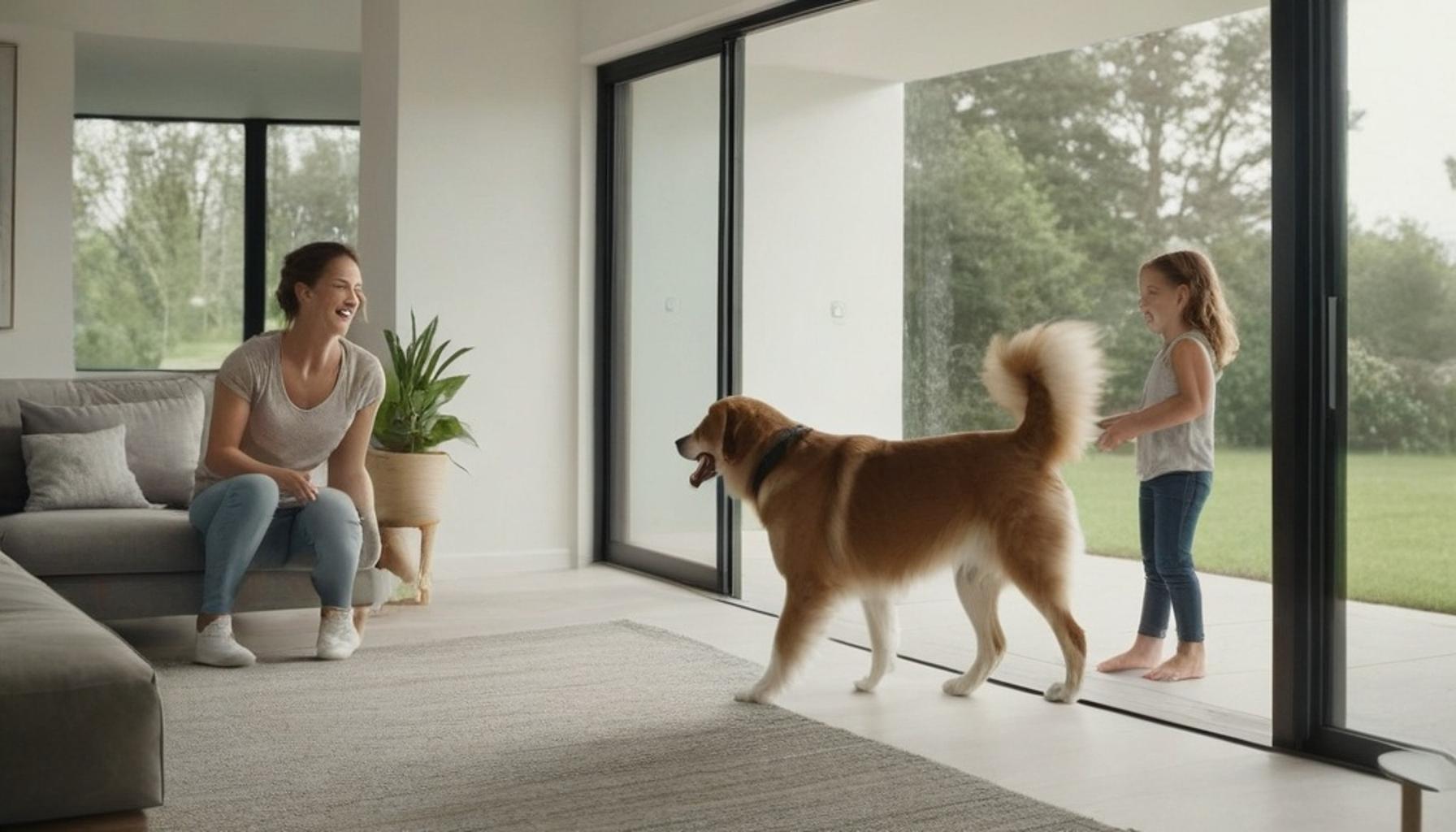
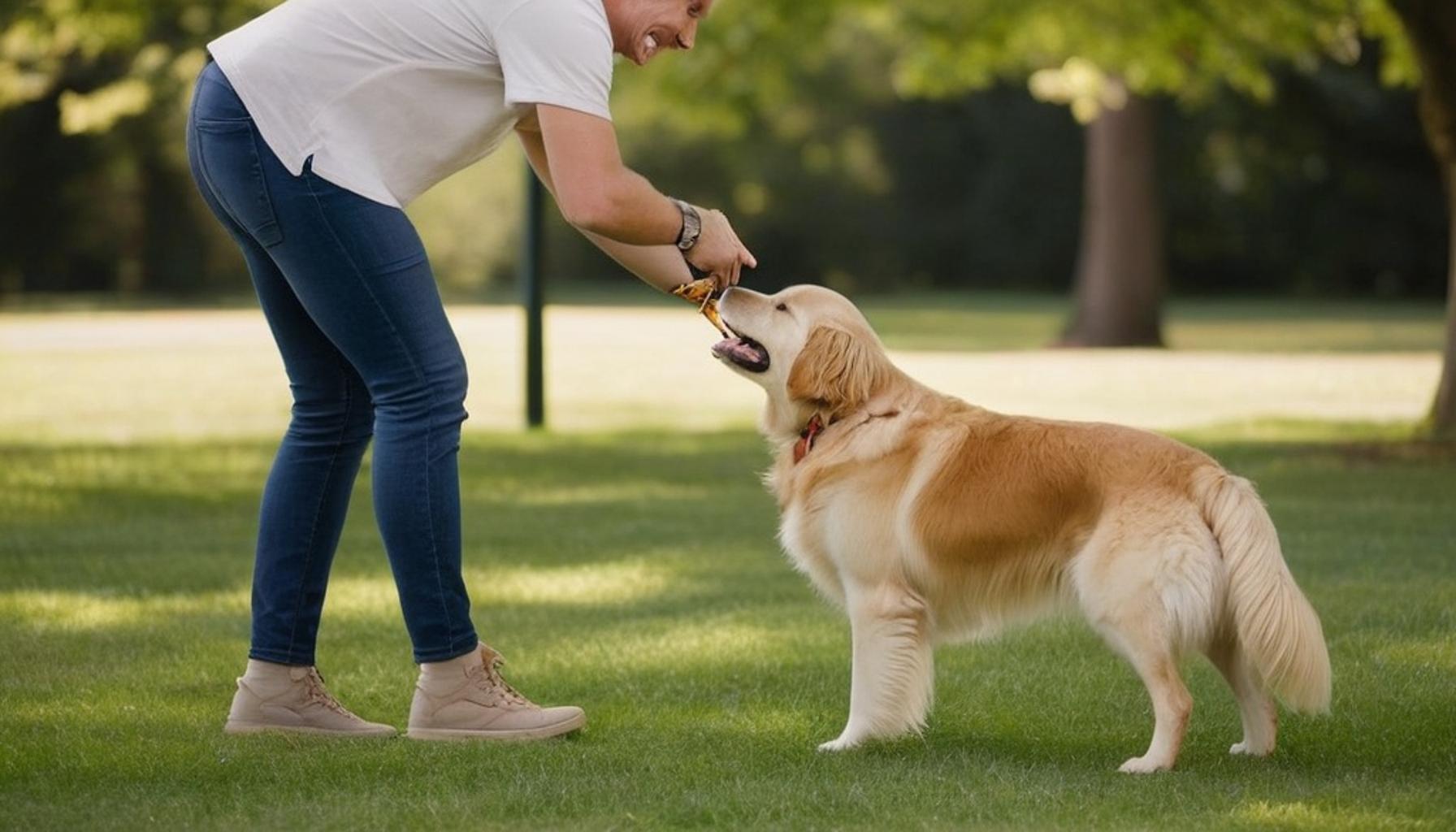
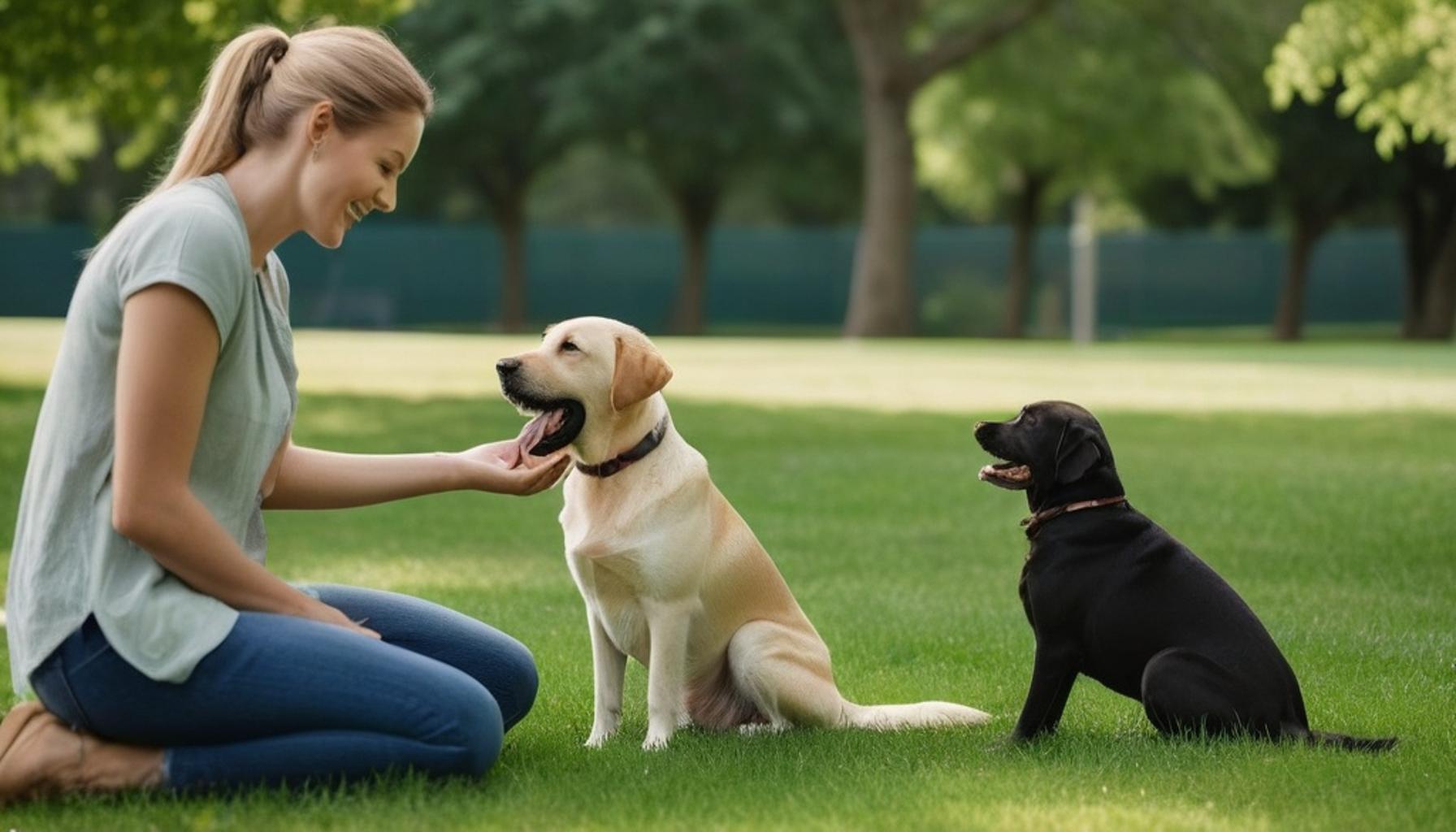
A wagging tail and curious eyes hide a critical developmental window that many Nigerian pet owners overlook. Between three and fourteen weeks of age, puppies absorb experiences that determine whether they grow into confident companions or anxious, reactive adults. This is precisely why Puppy Socialization Tips matter more than most first-time owners realize.
Lagos apartments, Abuja compounds, and bustling market streets in Kano all present unique stimuli a young dog must learn to navigate. Without proper guidance, everyday sounds like generator noise, motorcycle horns, or crowded street vendors can trigger lifelong fear responses. Veterinary behaviorists note that a puppy’s brain is remarkably plastic during this stage, meaning experiences—both good and bad—leave lasting imprints that shape temperament well into adulthood.
Consider the typical Nigerian household: extended family visits unannounced, okada riders zoom past compound gates, and children play loudly in shared courtyards. A puppy that has never encountered these situations calmly is far more likely to bark excessively, cower, or even snap out of fear when suddenly confronted with them later in life.
What Proper Socialization Actually Involves
Effective puppy training advice goes far beyond simple obedience commands. It requires deliberate, positive exposure to varied environments, people, and other animals during a narrow biological window. Owners who wait until their dog reaches six months often find socialization efforts far less effective, since the ideal learning period has already closed.
- Introducing puppies to different surfaces, textures, and weather conditions
- Encouraging safe interaction with children, elderly people, and strangers
- Exposing them to household sounds, traffic, and neighborhood activity
- Facilitating supervised play with vaccinated dogs of various sizes
Understanding how to socialize a puppy correctly can prevent behavioral issues that veterinarians and trainers see far too often—aggression, excessive barking, and destructive anxiety. Many of these problems, once established, require months of corrective training and professional intervention to reverse, whereas early prevention costs little more than time and patience.
The Real Payoff for Nigerian Households
Research consistently shows the benefits of puppy socialization extend well into adulthood, reducing stress-related behaviors by significant margins. A well-adjusted dog adapts smoothly to family gatherings, travel, and unpredictable urban environments common across Nigerian cities. Whether it is a naming ceremony filled with unfamiliar faces or a road trip from Port Harcourt to Enugu, a socialized dog handles change with far less drama.
Beyond convenience, there is a safety dimension too. Dogs that panic in crowded or noisy settings are more prone to bolting into traffic or reacting defensively toward strangers, creating risks for both the animal and the community around it.
This article breaks down practical, proven strategies for socializing puppies in Nigeria, offering clear puppy behavior guidance tailored to local realities and everyday challenges. From navigating noisy markets to managing multi-generational households, the goal remains the same: raising a dog that thrives, rather than merely survives, in its environment.
LEARN MORE: The Importance of Obedience Training for Your Pet’s Health and Safety
Breaking Down the Critical Socialization Window
Understanding the science behind puppy development helps explain why timing matters so much. Between three and seven weeks, puppies are still with their littermates, learning bite inhibition and basic canine communication. Once they arrive in a new home—typically around eight weeks—the real work of socializing puppies in Nigeria begins, and the clock is already ticking.
Canine researchers generally agree that the socialization window closes somewhere between twelve and fourteen weeks. After this period, the puppy’s brain shifts from open curiosity to caution, meaning new experiences are processed with more suspicion than acceptance. This does not mean training stops, but it does mean the easiest, most impactful learning has already passed.
For a Nigerian household, this translates into practical urgency. A puppy purchased from a breeder in Ibadan or rescued from a roadside litter in Port Harcourt needs immediate, structured exposure rather than weeks of isolation indoors while owners wait for vaccinations to fully complete. Veterinarians increasingly recommend carefully managed early exposure—clean environments, controlled contact—rather than complete confinement.
This urgency is often underestimated. Many Nigerian families assume that keeping a puppy indoors until it reaches four or five months old is the safest route, particularly given concerns about diseases like parvovirus or distemper that circulate in areas with inconsistent vaccination access. While disease prevention is genuinely important, complete isolation during the socialization window can create a different kind of long-term problem: a dog that grows up fearful of the very world it must eventually live in, from generator noise to okada horns to the chaos of a Lagos traffic jam.
Balancing these two concerns—physical health and psychological development—requires nuance. Short, supervised outings to a quiet compound corner, brief encounters with a fully vaccinated neighbor’s dog, or a five-minute car ride with the windows cracked open can all count as meaningful socialization without exposing a puppy to unnecessary risk. The goal is not reckless exposure but thoughtful, incremental contact with the sights, sounds, and textures of everyday Nigerian life.
Key Stages Every Owner Should Recognize
Effective puppy behavior guidance starts with recognizing that not all weeks of puppyhood carry equal weight. Breaking the window into smaller stages makes the process far less overwhelming for busy families juggling work, school runs, and household responsibilities.
- Weeks 8-10: Gentle introduction to household sounds, family members, and short car rides
- Weeks 10-12: Supervised meetings with vaccinated neighborhood dogs and varied walking surfaces
- Weeks 12-14: Exposure to busier environments such as quiet market corners or compound gatherings
- Weeks 14 and beyond: Reinforcement of prior lessons alongside basic obedience training
This staged approach forms the backbone of solid puppy training advice, ensuring puppies are neither overwhelmed too early nor understimulated during the weeks when learning happens fastest. Owners who follow this structure often report calmer, more adaptable dogs by six months of age, particularly when compared to puppies raised with minimal outside contact.
Consider two puppies from the same litter in Enugu. One spends its first three months almost entirely indoors, protected but isolated. The other experiences brief, controlled walks around the compound, meets a handful of calm, vaccinated dogs, and rides along on short errands to the local shop. By month six, the difference is often stark—the second puppy tends to greet visitors with curiosity rather than fear, adjusts more easily to new environments, and shows fewer signs of anxiety-driven barking or destructive chewing.
Missing this window entirely does not doom a dog to permanent anxiety, but it does mean how to socialize a puppy becomes a slower, more deliberate process later on, often requiring professional trainers to undo fear-based associations that could have been avoided. For owners willing to invest a little structured effort during these early weeks, the payoff is a dog better equipped to handle the unpredictable, vibrant rhythm of Nigerian daily life—one bark, honk, and unfamiliar face at a time.
Puppy Socialization Tips: Key Aspects at a Glance
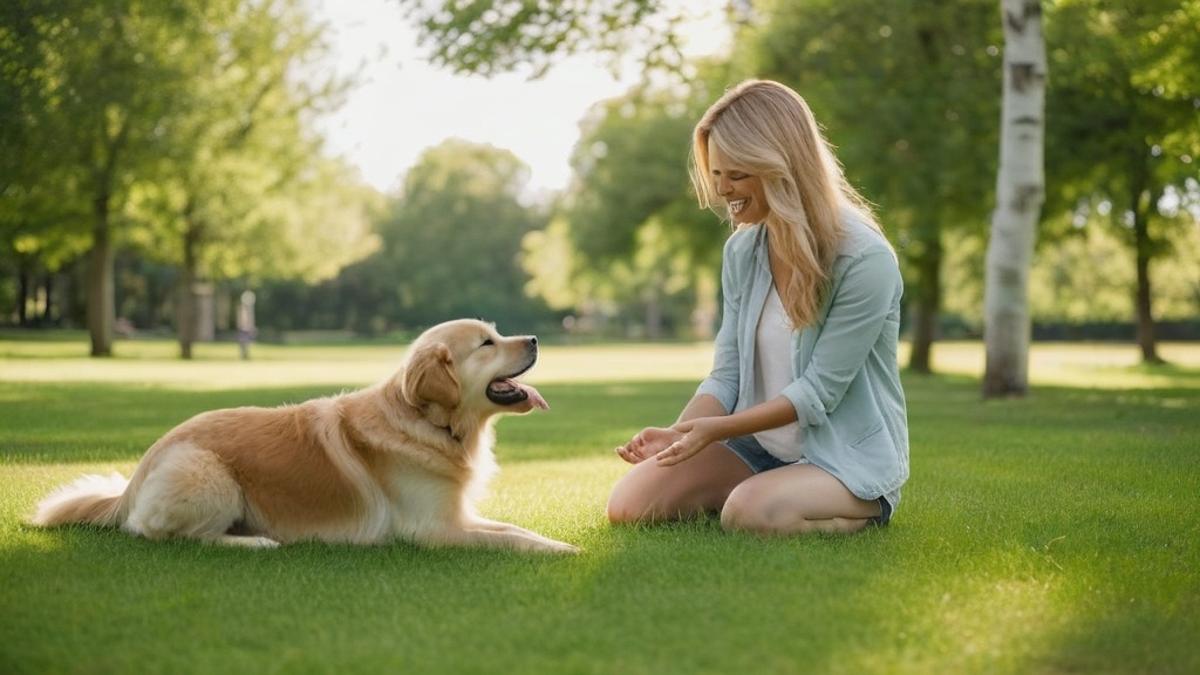
Before diving deeper into puppy training advice, it helps to see the core building blocks of successful socialization side by side. The table below summarizes the most critical stages and their practical benefits, giving new dog owners a quick reference for how to socialize a puppy correctly from the very first weeks.
| Socialization Aspect | Benefit to Puppy Behavior |
|---|---|
| Early Human Exposure (3-14 weeks) | Builds confidence and reduces fear-based aggression later |
| Meeting Other Dogs | Teaches appropriate play signals and bite inhibition |
| Exposure to New Sounds & Environments | Prevents noise phobias, supports calm adult temperament |
| Structured Obedience Sessions | Reinforces puppy behavior guidance through consistent commands |
| Community Puppy Classes | Popular among owners socializing puppies in Nigeria for real-world exposure |
Each row highlights a distinct piece of the benefits of puppy socialization puzzle, showing how targeted exposure during the early weeks shapes a well-adjusted, sociable adult dog rather than a reactive or anxious one.
SEE ALSO: Training Strategies to Reduce Undesirable Behaviors in Pets and Improve Mental Health
Common Mistakes That Undermine Early Progress
Even well-meaning owners can sabotage their own efforts without realizing it. One of the most frequent errors observed among Nigerian pet owners is flooding a puppy with too much stimulation at once—taking a ten-week-old pup straight into a crowded Alaba market or a noisy family owambe, assuming exposure equals socialization. In reality, overwhelming experiences often produce the opposite effect, teaching a puppy to associate the outside world with fear rather than familiarity. This single miscalculation accounts for a surprising number of behavioral consultations reported by veterinarians across Lagos and Port Harcourt, where owners arrive confused about why their once-curious puppy now cowers at the sound of a doorbell.
Genuine puppy socialization tips emphasize gradual, positive exposure over dramatic immersion. A puppy that whimpers, hides, or freezes during an outing is not “getting used to it”—it is being conditioned toward anxiety. Recognizing these stress signals early allows owners to scale back before lasting damage occurs. Other subtle signs, such as excessive lip licking, a tucked tail, or reluctance to eat treats in a new environment, often go unnoticed until the behavior hardens into a permanent trait. Patience, rather than sheer volume of experiences, tends to separate confident adult dogs from perpetually anxious ones.
Sound Sensitivity and the Nigerian Soundscape
Few countries offer as varied an auditory environment as Nigeria. Generators sputtering to life at dusk, hawkers calling out prices, church bells, mosque calls to prayer, and the constant hum of traffic all form a sensory backdrop that many imported or sheltered puppies simply never encounter until it’s too late. For a puppy raised in a quiet compound, the abrupt roar of a neighbor’s generator can feel just as alarming as a thunderclap.
Sound desensitization deserves deliberate attention. Playing recorded generator noise or traffic sounds at low volume during meals, then gradually increasing intensity over several days, helps puppies build tolerance without trauma. Breeders and trainers in Abuja have started recommending this technique specifically for dogs destined for city apartments, where sudden noise exposure later in life often triggers excessive barking or destructive anxiety. Some trainers even suggest recording specific neighborhood sounds—a particular hawker’s call, a nearby mosque’s speaker system, or the distinct rattle of a generator brand—to tailor the exercise to a puppy’s actual future environment rather than generic noise files.
Human Socialization Beyond the Immediate Family
Dogs raised exclusively around one or two people frequently struggle when visitors, extended family, or domestic staff enter the home. Since many Nigerian households include house helps, drivers, or frequent extended family visits, puppies benefit enormously from meeting a wide variety of people early on.
- Invite different visitors—children, elderly relatives, unfamiliar adults—for brief, calm interactions
- Encourage gentle handling of paws, ears, and mouth to prepare for future veterinary visits
- Expose puppies to people wearing hats, agbada, or carrying umbrellas, which can otherwise appear alarming
This variety builds a foundation of confidence that pays dividends later, particularly for breeds commonly kept as guard dogs, where unchecked suspicion of strangers can escalate into genuine aggression. It is worth noting that many guard-breed puppies purchased specifically for security purposes in Nigerian homes end up displaying uncontrollable aggression precisely because owners deliberately limit their exposure to strangers, mistakenly believing this sharpens protective instincts rather than distorting them.
The Role of Consistency Across Household Members
One overlooked factor in how to socialize a puppy successfully involves aligning everyone in the household around the same approach. If one family member allows jumping and excited barking while another discourages it, the puppy receives mixed signals that slow progress considerably. Children, in particular, often unintentionally undo weeks of training by encouraging rough play that adults have worked hard to discourage.
Data from canine behavior studies suggests that inconsistent handling during the socialization period is among the top three predictors of behavioral problems later in adulthood, alongside inadequate exposure and traumatic early experiences. Establishing shared household rules—who feeds, who disciplines, how greetings are handled—strengthens the overall benefits of puppy socialization far more than any single training session could. Families who hold a brief weekly check-in to discuss the puppy’s progress often report faster, more stable results than those who leave training to guesswork or one dedicated household member alone.
Building a Foundation That Lasts a Lifetime
Raising a well-adjusted dog in Nigeria demands more than affection and good intentions. From navigating generator noise and market chaos to managing household consistency, the strategies outlined throughout this piece show that puppy socialization tips work best when applied thoughtfully rather than randomly. There is no shortcut that replaces gradual, deliberate exposure.
What separates a confident adult dog from an anxious or aggressive one often traces back to those first sixteen weeks of life. Owners who recognize stress signals early, introduce sounds and strangers at a manageable pace, and align their households around shared rules tend to see the clearest results. This is not guesswork—it reflects patterns veterinarians and trainers across Lagos, Abuja, and Port Harcourt continue to observe in their consultations.
It is worth remembering that socializing puppies in Nigeria comes with unique considerations rarely addressed in generic training manuals imported from abroad. Local soundscapes, extended family structures, and cultural attire like agbada or hijabs all shape a puppy’s developing worldview in ways that foreign guides simply do not anticipate. Tailoring exposure to these realities, rather than following one-size-fits-all advice, produces dogs that are genuinely prepared for Nigerian homes and streets.
The benefits of puppy socialization extend well beyond obedience. A well-socialized dog experiences less chronic stress, adapts more easily to change, and forms stronger bonds with every member of the household—including staff, visitors, and children who might otherwise trigger fear or aggression.
For anyone still uncertain about how to socialize a puppy successfully, the answer lies less in dramatic gestures and more in daily, consistent, low-pressure exposure. Seeking further puppy training advice from local veterinarians or certified trainers can help owners fine-tune their approach as their puppy grows. Ultimately, the effort invested during these early months shapes not just behavior, but the entire relationship between dog and owner for years to come.
Frequently Asked Questions
At what age should I start socializing my puppy in Nigeria’s climate and environment?
You can begin socialization as early as 3 to 4 weeks with littermates, and once vaccinated around 7 to 8 weeks, start introducing your puppy to new people, sounds, and safe outdoor spaces. Given Nigeria’s warm climate, schedule outings during cooler parts of the day like early morning or evening to keep your puppy comfortable while exploring new experiences.
How do I safely socialize my puppy with street dogs and other animals common in Nigerian neighborhoods?
Always keep your puppy on a leash and maintain a safe distance from unfamiliar street dogs, since many may be unvaccinated or unpredictable. Instead, arrange controlled playdates with vaccinated, friendly dogs from neighbors or a local vet clinic to build positive associations without health risks.
What are practical ways to expose my puppy to different people and noises in a Nigerian household setting?
Invite family members, extended relatives, and household help to gently interact with your puppy so it becomes comfortable around different voices, skin tones, and clothing like agbadas or hijabs. Also expose your puppy gradually to everyday Nigerian sounds such as generators, traffic, market noise, and calls to prayer or church bells, using treats to create positive experiences.
How can I socialize my puppy if I live in a gated compound with limited outdoor access?
Even within a compound, you can introduce your puppy to different textures like tiles, grass, sand, and gravel, as well as various household sounds and visitors who come by. When possible, take short supervised walks just outside the gate or invite friends with vaccinated puppies over to practice social skills in a controlled environment.

Beatriz
Beatriz Johnson is a seasoned pet care expert and writer with a passion for simplifying the complexities of pet ownership and animal well-being. With over a decade of experience in the field, she specializes in topics like pet nutrition, training techniques, and health care. Through her work on our website, Beatriz empowers pet owners to make informed decisions and provide the best possible care for their furry friends, ensuring happy and healthy lives for their beloved companions.