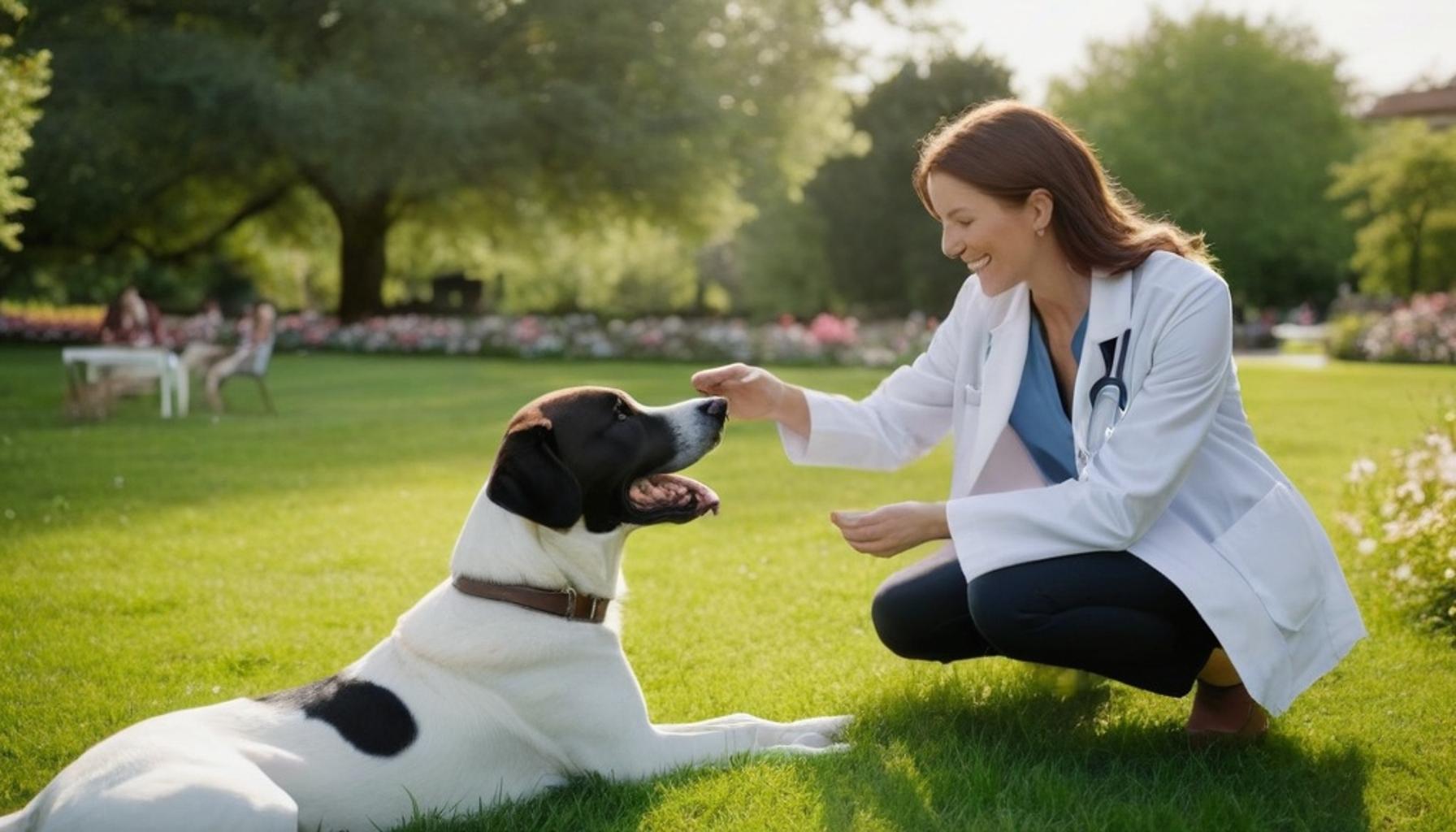
The Importance of Balanced Nutrition and Exercise for the Health and Well-Being of Pets

Why Every Nigerian Pet Deserves a Healthier Lifestyle
From the bustling streets of Lagos to the quiet compounds of Kaduna, more Nigerian households are welcoming dogs, cats, and other companions into their families. Yet, many pet owners unknowingly overlook a critical factor that determines their pet’s lifespan and happiness. Balanced Nutrition and Exercise for Pets is not just a trend—it’s a necessity backed by veterinary science.
Across Nigeria, pet ownership is shifting from a purely functional arrangement, where dogs guarded compounds and cats chased rodents, to a more affectionate, family-oriented bond. This change means pets are increasingly seen as companions deserving proper care, not just animals to be fed leftovers and left to fend for themselves. However, this evolving relationship also demands a deeper understanding of what truly keeps an animal thriving.
The Hidden Cost of Neglecting Pet Health
Studies show that obesity affects nearly one in three pets globally, with sedentary lifestyles and poor diets as the leading causes. In Nigeria, where commercial pet food options are still evolving, owners often default to leftover human meals, unaware of the nutritional gaps this creates. Rice, garri, and leftover stew might satisfy hunger, but they rarely provide the balanced protein, fats, and micronutrients that dogs and cats require to stay strong and disease-resistant.
This oversight can lead to serious consequences, including:
- Diabetes and joint problems in dogs
- Reduced immunity and susceptibility to infections
- Shortened lifespan and poor quality of life
- Behavioral issues linked to excess energy or lethargy
Veterinarians across major Nigerian cities have reported a noticeable rise in cases of overweight pets, particularly among dogs kept indoors for security purposes without adequate outdoor activity. This trend mirrors global patterns, yet it carries unique local dimensions, considering Nigeria’s climate, food culture, and limited access to specialized veterinary nutrition services in some regions.
What This Article Will Explore
Understanding the nutritional needs for pets goes beyond simply feeding them—it involves knowing the right proportions of protein, fiber, and essential vitamins. Similarly, structured exercise routines for dogs and other animals play a vital role in maintaining a healthy weight and mental stimulation. A bored, inactive dog is often a destructive one, chewing furniture or barking excessively out of pent-up energy.
This guide will walk you through practical pet health tips, the science-backed benefits of pet exercise, and how to build healthy pet diets in Nigeria using locally available ingredients such as fish, eggs, and affordable vegetables. Whether you own a playful puppy in Abuja or an aging cat in Port Harcourt, these insights will help you make informed decisions for your furry companion’s well-being, ultimately strengthening the bond between you and the animal you call family.
CHECK OUT: Essential Care and Hygiene Tips to Keep Your Pet Healthy
# Building Blocks of a Thriving Pet: Understanding Nutritional Needs
Every wagging tail and playful pounce hides a complex biological system that depends entirely on what goes into a pet’s bowl. Balanced Nutrition and Exercise for Pets starts with recognizing that dogs and cats are not miniature humans—their digestive systems, metabolic rates, and nutrient requirements differ significantly from ours, even when they share our homes and, occasionally, our jollof rice.
Protein, Fats, and the Nigerian Pet Bowl
Veterinary nutritionists agree that protein should form the foundation of any pet’s diet, typically making up 25 to 30 percent of a dog’s daily intake and even more for cats, who are obligate carnivores. In the Nigerian context, this doesn’t mean expensive imported kibble is the only solution. Locally sourced options like fish, chicken parts, and eggs can meet these nutritional needs for pets affordably, provided they’re prepared without excessive salt, seasoning cubes, or palm oil.
Fats, often misunderstood as harmful, actually supply concentrated energy and support skin and coat health. Carbohydrates, while not essential in large quantities, offer fiber that aids digestion—something particularly relevant for pets fed starchy staples like garri or amala without accompanying protein sources.
Beyond macronutrients, micronutrients such as calcium, zinc, and vitamin A play equally significant roles that many pet owners overlook entirely. A dog lacking sufficient calcium, for instance, may develop weakened bones over time, while a cat deficient in taurine—an amino acid found almost exclusively in animal tissue—can suffer serious heart complications. This is precisely why exclusively plant-based diets, however well-intentioned, are considered unsuitable for cats by most veterinary authorities across Africa and beyond.
Hydration, too, deserves attention within any conversation about healthy pet diets in Nigeria. With the country’s often intense heat, especially across northern and middle-belt regions, pets require constant access to clean water, not just food. Dehydration can compound the effects of poor nutrition, making an already fragile system even more vulnerable to illness.
Common Feeding Mistakes Nigerian Pet Owners Make
Many well-meaning pet owners inadvertently harm their animals through feeding habits passed down without scientific scrutiny. Recognizing these errors is the first step toward better pet health tips implementation.
- Feeding excessive rice or garri without protein balance
- Adding onions, garlic, or heavily spiced stew, which are toxic to dogs and cats
- Offering bones from cooked meat that can splinter and cause internal injuries
- Overfeeding as a display of affection, leading to unchecked weight gain
- Ignoring portion control based on breed size and age
A 2022 survey by African veterinary associations noted that pets fed primarily on human leftovers were twice as likely to develop nutrient deficiencies compared to those on formulated or carefully balanced homemade diets. This statistic underscores why understanding healthy pet diets in Nigeria requires more than good intentions—it demands informed choices.
Interestingly, some of these mistakes stem from cultural beliefs rather than negligence. In many households, a plump pet is seen as a sign of prosperity or good care, yet veterinarians warn that obesity in dogs and cats often leads to diabetes, joint strain, and reduced lifespan. Similarly, the assumption that “dogs can eat anything” ignores the biological reality that certain human foods, including chocolate, grapes, and avocado, are outright poisonous to them.
Local markets across Lagos, Abuja, and Port Harcourt increasingly stock affordable pet-specific feed brands, yet many owners still default to leftovers out of habit or cost concerns. Bridging this gap requires accessible education, perhaps through community veterinary outreach programs or partnerships with local pet stores willing to demonstrate simple, budget-friendly feeding techniques.
Fortunately, creating a nutritionally sound meal plan doesn’t require a veterinary degree. It simply requires awareness of what ingredients serve your pet’s biology rather than merely satisfying their appetite. As more Nigerian pet owners embrace this knowledge, the conversation naturally shifts toward another equally critical component: physical activity, and how it complements diet to sustain long-term wellness.

RECOMMENDED: Check out this similar article
# Movement Matters: Why Exercise Completes the Wellness Equation
A well-fed pet without adequate movement is like a car with premium fuel but a neglected engine—nutrition alone cannot sustain vitality. Balanced Nutrition and Exercise for Pets work in tandem, and skipping the physical activity component undermines even the most carefully planned meal regimen. Veterinarians across Nigeria increasingly report that sedentary lifestyles, particularly among apartment-kept dogs in cities like Lagos and Ibadan, contribute significantly to preventable health complications.
Designing Exercise Routines for Dogs in the Nigerian Context
Not every pet requires marathon-level activity, but nearly all benefit from consistent, purposeful movement. Exercise routines for dogs should account for breed, age, and even Nigeria’s climate patterns, since midday heat in states like Kano or Sokoto can quickly lead to exhaustion or heatstroke if walks aren’t timed appropriately.
Early morning or evening walks, typically between 30 and 60 minutes depending on breed size, remain the gold standard. Local breeds such as the Nigerian indigenous dog, often mistaken for strays, tend to have naturally higher stamina and adapt well to active households, while smaller or brachycephalic breeds like pugs require gentler, shorter sessions.
- Interactive fetch sessions in compound spaces or open fields
- Structured leash walks along quiet neighborhood streets
- Agility-style play using household obstacles or simple ramps
- Swimming, where safely accessible, for joint-friendly cardiovascular benefit
Cats, though less inclined toward structured walks, still require stimulation. Interactive toys, climbing shelves, or even supervised outdoor exploration in secured compounds can replicate the hunting instincts many indoor cats are otherwise denied.
Owners often underestimate how much environmental context shapes an animal’s willingness to move. A dog kept in a small Lagos flat without a yard faces different challenges than one in a rural compound in Ogun State with open ground to roam. Adapting exercise expectations to the living situation, rather than applying a one-size-fits-all formula, tends to produce far better long-term compliance from both pets and their owners.
The Measurable Benefits of Pet Exercise
Beyond weight management, the benefits of pet exercise extend into areas many owners underestimate entirely. Regular physical activity improves cardiovascular function, strengthens musculoskeletal health, and notably reduces anxiety-driven behaviors such as excessive barking or destructive chewing—common complaints among Nigerian dog owners dealing with restless pets confined indoors for long stretches.
A study referenced by the World Small Animal Veterinary Association found that dogs receiving consistent daily exercise showed a 30 percent lower likelihood of developing obesity-related joint disorders compared to inactive counterparts. This figure carries particular weight in Nigeria, where veterinary orthopedic care remains costly and inaccessible in many regions.
Mental stimulation deserves equal mention. Bored pets, much like understimulated children, often channel excess energy into problematic behaviors. Puzzle feeders, scent-based games, or simply varying walking routes can meaningfully improve a pet’s psychological state, reinforcing that exercise isn’t purely physical—it’s cognitive maintenance too.
There is also a social dimension often overlooked. Dogs that exercise regularly in shared compounds or during neighborhood walks tend to display better sociability with other animals and people, reducing incidents of fear-based aggression. This matters considerably in densely populated urban centers where pets frequently encounter unfamiliar dogs, children, and street activity during daily outings.
Combining structured activity with nutrient-dense meals creates a compounding effect on longevity. Pets receiving both elements typically display shinier coats, steadier energy levels, and fewer visits to already-stretched veterinary clinics, making this dual approach not just a wellness choice but a practical, cost-saving strategy for households across Nigeria.
Ultimately, the conversation around pet wellness cannot remain fixated on food bowls alone. As awareness grows, more Nigerian pet owners are beginning to treat exercise as a non-negotiable pillar of care, one that, paired with sound nutrition, offers a genuinely holistic path toward healthier, happier animals for years to come.
Bringing It All Together: A Lifelong Commitment to Pet Wellness
The evidence gathered throughout this discussion points to one undeniable truth: Balanced Nutrition and Exercise for Pets cannot function as isolated strategies. They are interdependent pillars, and neglecting either one creates gaps that eventually surface as costly, preventable health problems.
Across Nigerian households, from high-rise apartments in Victoria Island to sprawling compounds in Enugu, the same principle applies universally. A dog fed premium kibble but confined indoors all day faces risks nearly identical to one exercised rigorously yet fed inconsistent, nutrient-poor meals.
Understanding the nutritional needs for pets means recognizing that age, breed, and activity level all shift dietary requirements over time. What sustains a growing puppy differs vastly from what an aging cat requires, and owners who adjust accordingly tend to see measurably fewer digestive and metabolic complications.
Similarly, embracing practical pet health tips, such as timing walks around Nigeria’s climate or introducing puzzle feeders for mental stimulation, transforms daily routines into meaningful wellness investments rather than afterthoughts.
The rise of healthy pet diets in Nigeria reflects a broader shift in how owners perceive animal companionship. Pets are increasingly viewed not merely as household additions but as family members deserving deliberate, informed care.
Looking ahead, the responsibility extends beyond individual households. Veterinary professionals, pet food manufacturers, and community advocates all have roles to play in expanding access to affordable nutrition and safe exercise spaces, particularly in underserved regions.
For now, the most immediate action remains within every owner’s reach: observe your pet’s body condition, adjust meals thoughtfully, and prioritize daily movement, however modest.
Small, consistent changes compound into significant, lasting outcomes. A pet raised on this dual foundation of nourishment and activity stands a far better chance at a longer, more vibrant life, and that outcome is worth every deliberate effort along the way.
Frequently Asked Questions
What local Nigerian foods are safe to include in a balanced diet for dogs and cats?
Boiled chicken, fish like titus or mackerel, rice, and vegetables such as carrots and spinach can be safely included in moderation. Avoid heavily spiced or seasoned local dishes like jollof rice or pepper soup, as onions, garlic, and excess salt are harmful to pets. Always introduce new foods gradually and consult a vet for portion guidance based on your pet’s breed and size.
How much exercise does a pet need daily in Nigeria’s hot climate?
Most dogs need 30 to 60 minutes of exercise daily, but in Nigeria’s heat, it’s best to walk or play with them early morning or late evening to avoid heat exhaustion. Cats are naturally more sedentary but still benefit from 15 to 20 minutes of interactive play to prevent obesity. Always provide fresh water before and after exercise sessions.
Where can pet owners in Nigeria buy affordable, balanced commercial pet food?
Balanced commercial pet food brands are available at veterinary clinics, pet stores in major cities like Lagos, Abuja, and Port Harcourt, and increasingly through online platforms like Jumia and Konga. Prices vary, so comparing local versus imported brands can help you find quality options within your budget. Always check that the food meets your pet’s specific life stage and breed requirements.
What are the signs that my pet is malnourished or overweight due to poor diet and exercise habits?
Signs of malnutrition include dull coat, lethargy, visible ribs, and slow wound healing, while overweight pets show difficulty moving, excessive panting, and a lack of visible waistline. Both conditions often stem from imbalanced diets or insufficient physical activity common when owners rely solely on leftover human food. If you notice these signs, consult a veterinarian promptly to adjust your pet’s nutrition and exercise plan.
Can I combine homemade meals with commercial pet food for a balanced diet in Nigeria?
Yes, combining home-cooked meals like boiled meat and vegetables with commercial pet food can work well, provided the homemade portion doesn’t exceed 25% of the total diet to maintain nutritional balance. This approach is popular among Nigerian pet owners looking to manage costs while still meeting their pet’s dietary needs. However, it’s important to avoid toxic ingredients and consult a vet to ensure the overall diet remains nutritionally complete.

Beatriz
Beatriz Johnson is a seasoned pet care expert and writer with a passion for simplifying the complexities of pet ownership and animal well-being. With over a decade of experience in the field, she specializes in topics like pet nutrition, training techniques, and health care. Through her work on our website, Beatriz empowers pet owners to make informed decisions and provide the best possible care for their furry friends, ensuring happy and healthy lives for their beloved companions.