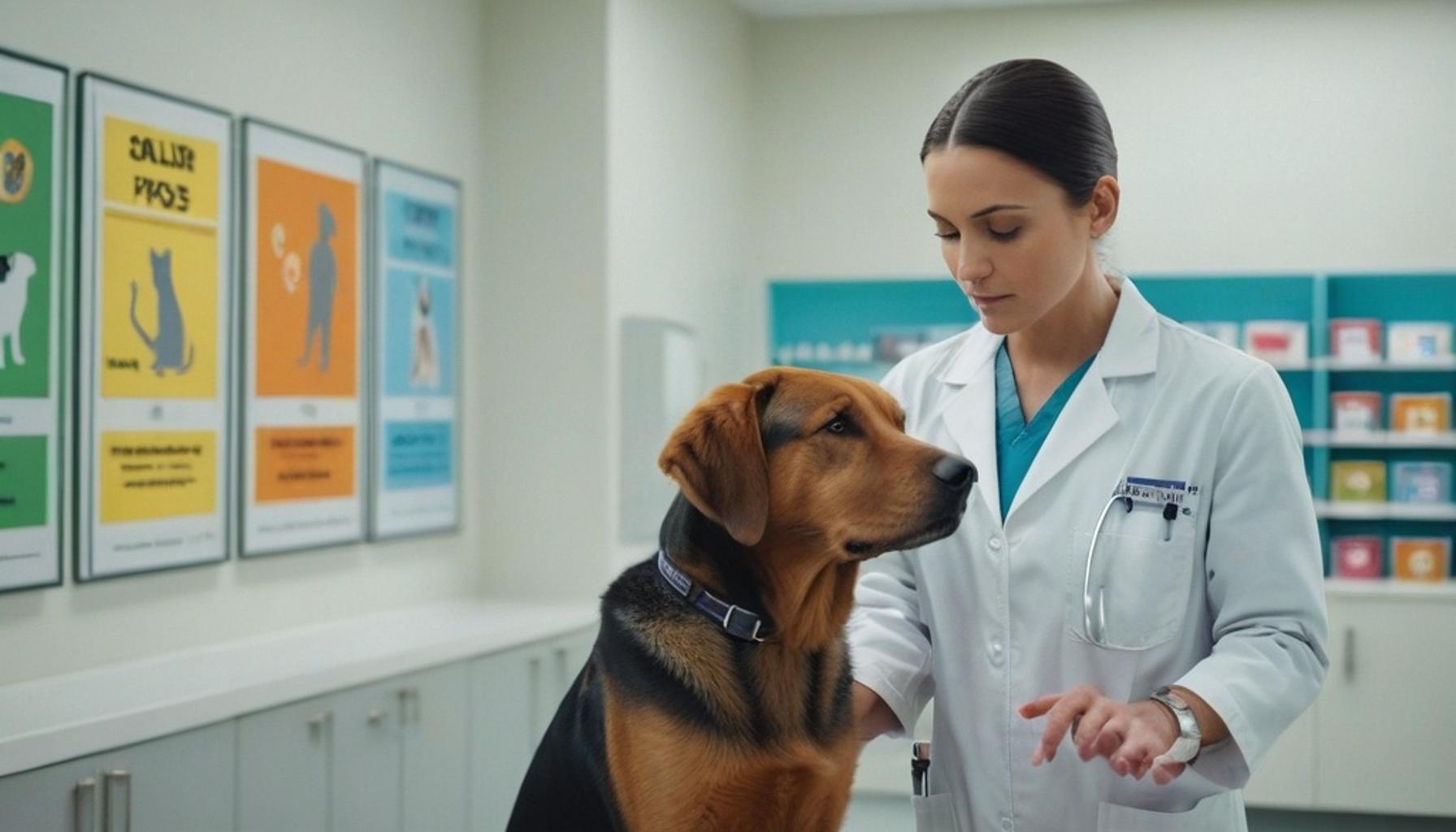
The Importance of Prevention: Health and Vaccination Tips for Pets
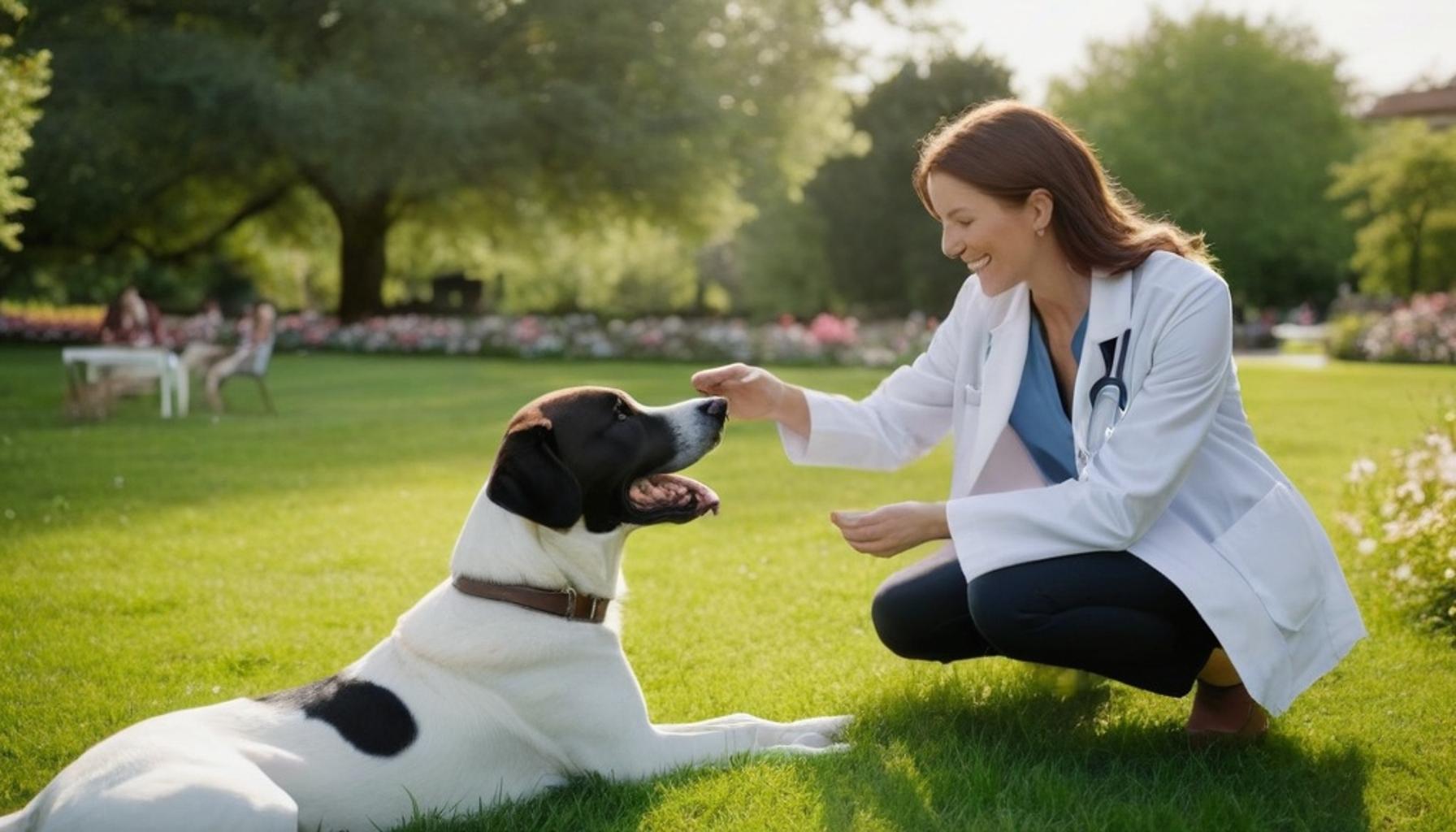
Why Prevention Matters for Every Nigerian Pet Owner
Across bustling cities like Lagos, Abuja, and Port Harcourt, more Nigerian households are welcoming dogs and cats into their homes than ever before. With this growing pet population comes a rising concern: preventable diseases like rabies and parvovirus still claim thousands of animal lives yearly. Understanding pet health prevention is no longer optional—it’s essential.
From the crowded estates of Ikeja to the quieter suburbs of Enugu, veterinary clinics are reporting a steady stream of cases that could have been avoided entirely. Rabies alone remains a significant threat in Nigeria, with the World Health Organization noting that Africa accounts for a large share of global rabies deaths, many of which stem from unvaccinated dogs. This is not merely an animal welfare issue—it’s a public health matter that touches families, children, and entire communities.
The Hidden Cost of Skipping Vaccinations
Many pet owners only visit a veterinarian when their animal is already sick. This reactive approach often costs more, both financially and emotionally, than proactive care ever would.
- Treating rabies after exposure can cost significantly more than a single vaccine dose.
- Untreated parasitic infections can lead to organ damage in cats and dogs.
- Unvaccinated pets pose a public health risk, especially in densely populated areas.
Consider a typical scenario: a puppy purchased from a roadside seller in Kano, brought home without any vaccination history. Within weeks, it shows symptoms of parvovirus—vomiting, bloody diarrhea, severe lethargy. By the time the owner rushes to a vet, the treatment bill could run into tens of thousands of naira, with no guarantee of survival. Compare that to the cost of a preventive vaccine administered early, and the math becomes painfully clear.
What Proper Prevention Looks Like
Following a structured pet vaccination schedule in Nigeria can dramatically reduce these risks. Combined with routine check-ups, deworming, and balanced nutrition, vaccines form the backbone of preventative care for pets.
Beyond vaccines, Nigerian pet owners should also be mindful of local environmental factors—heat, humidity, and exposure to street animals—that can accelerate the spread of ticks, fleas, and intestinal worms. Regular deworming every three months, alongside seasonal check-ups, helps catch problems before they escalate into costly emergencies.
This article breaks down practical health tips for dogs and cats, explains the vaccination importance for pets, and offers a clear roadmap for keeping your furry companions safe. Whether you’re a first-time pet owner or a seasoned animal lover, these essential pet vaccination tips will help you protect your pet’s health for years to come.
SEE ALSO: The Importance of Vaccination and Disease Prevention in Pets
# Understanding the Core Vaccines Every Nigerian Pet Needs
Walk into any reputable veterinary clinic in Victoria Island or Wuse and you’ll hear the same advice repeated: prevention starts with knowing exactly which vaccines your pet requires and when. This is the foundation of any effective pet vaccination schedule in Nigeria, yet many owners remain unclear on the specifics.
For dogs, the core vaccines typically include protection against rabies, distemper, parvovirus, and canine hepatitis. Cats require defense against feline panleukopenia, calicivirus, and rhinotracheitis. These aren’t arbitrary recommendations—they target diseases that are actively circulating in Nigerian communities, from Maiduguri to Ibadan. Veterinary records from clinics across these regions consistently show spikes in preventable illness whenever vaccination rates dip, a pattern that repeats itself year after year.
A Timeline That Saves Lives
Puppies and kittens are particularly vulnerable during their first few months, when maternal immunity fades but their own immune systems are still developing. This window is exactly when vaccination importance for pets becomes most apparent, and it’s a period many first-time owners underestimate until they’re faced with an emergency vet bill.
A practical schedule generally looks like this:
- 6 to 8 weeks: First round of core vaccines for puppies and kittens.
- 10 to 12 weeks: Booster shots to reinforce immunity.
- 14 to 16 weeks: Final puppy/kitten booster, including rabies vaccine.
- Annually thereafter: Booster vaccines to maintain protection throughout adulthood.
Skipping any of these stages leaves gaps that diseases can exploit. Veterinarians in Lagos have observed that pets who miss their second or third booster are significantly more susceptible to outbreaks, particularly during rainy season when parvovirus tends to spread more aggressively in damp, high-traffic areas. Some clinics report treating multiple parvovirus cases within the same week during peak rainy months, almost all involving pets with incomplete vaccination histories.
Why Local Conditions Change the Equation
Nigeria’s climate and population density create unique challenges that don’t necessarily apply in other regions. Stray dog populations in urban centers like Onitsha and Aba increase the likelihood of rabies exposure, making timely vaccination not just recommended but critical. Market areas and open compounds, common features of Nigerian residential life, often become unintentional meeting points between vaccinated pets and unvaccinated strays.
This is where pet health prevention becomes a community responsibility rather than an individual choice. A single unvaccinated dog roaming a neighborhood can become a transmission point, putting other pets—and people—at risk. Public health officials have long linked rabies control efforts to vaccination coverage, reinforcing that this isn’t purely a household matter.
Building a Realistic Vaccination Budget
One barrier many Nigerian pet owners cite is cost. However, when broken down, the numbers tell a different story. A full puppy vaccination series often costs a fraction of what a single week of hospitalization for parvovirus treatment would require, not accounting for the emotional toll of watching a pet suffer through a preventable illness.
Setting aside a modest monthly amount for veterinary care, rather than treating it as an unexpected expense, transforms preventative care for pets from a financial burden into a manageable routine. Many clinics in Abuja and Lagos now offer payment plans or bundled vaccine packages specifically to ease this transition for new pet owners, recognizing that affordability directly influences compliance.
Understanding these fundamentals sets the stage for exploring practical health tips for dogs and cats that go beyond vaccines alone—covering nutrition, parasite control, and everyday habits that keep pets thriving in Nigeria’s unique environment.
Key Aspects of Pet Vaccination Tips and Preventative Care
Understanding pet health prevention starts with recognizing which vaccines and routines matter most. The table below breaks down essential categories every pet owner should know, from core immunizations to seasonal check-ups, offering a quick reference before diving deeper into the full pet vaccination schedule Nigeria veterinarians recommend.
| Category | Key Details |
|---|---|
| Core Vaccines | Rabies, distemper, and parvovirus shots form the backbone of vaccination importance for pets, preventing fatal outbreaks. |
| Vaccination Timeline | Puppies and kittens need boosters every 3-4 weeks until 16 weeks old, per pet vaccination tips from certified vets. |
| Routine Check-ups | Annual exams support preventative care for pets, catching hidden issues before symptoms appear. |
| Parasite Control | Deworming and flea prevention remain vital health tips for dogs and cats year-round. |
CHECK OUT: The Importance of Balanced Nutrition and Exercise for the Health and Well-Being of Pets
# Beyond the Needle: Everyday Habits That Reinforce Pet Health PreventionVaccines lay the groundwork, but they aren’t a standalone solution. Ask any veterinarian in Enugu or Kano and they’ll confirm that pets thriving well into their senior years usually have owners who treat prevention as a lifestyle, not a once-a-year appointment. This is where practical pet vaccination tips intersect with broader daily care routines.
Parasite Control Matters Just as Much as Vaccines
Nigeria’s warm, humid climate is a breeding ground for ticks, fleas, and intestinal worms. Even fully vaccinated pets can fall seriously ill from parasite-borne diseases like babesiosis or ehrlichiosis, both transmitted through tick bites common in compound dogs across the country.Routine deworming every three months and monthly tick or flea prevention are non-negotiable additions to any pet vaccination schedule Nigeria pet owners follow. Skipping these steps often undermines the very immunity vaccines work to build, since parasite infestations weaken a pet’s overall defenses.
Nutrition as a Silent Form of Protection
Many Nigerian households feed pets leftover meals, assuming this suffices. However, inconsistent nutrition directly impacts immune response, making vaccines less effective over time.Some practical health tips for dogs and cats include:
- Providing balanced commercial pet food when possible, rather than relying solely on table scraps.
- Ensuring constant access to clean, treated water, particularly during dry season when contamination risks rise.
- Introducing age-appropriate portions, since overfeeding puppies and kittens can lead to joint issues later in life.
Clinics in Port Harcourt have reported that pets on nutritionally balanced diets recover faster from illness and respond better to vaccination protocols, a detail often overlooked in casual pet care conversations.
Environmental Awareness in Nigerian Households
Open compounds, shared fences, and free-roaming culture mean Nigerian pets encounter more environmental risks than pets in fully enclosed Western settings. This reality makes preventative care for pets especially context-dependent.Simple adjustments make a measurable difference:
- Restricting unsupervised roaming during peak rainy months, when waterborne diseases spread more easily.
- Regularly inspecting sleeping areas for signs of tick infestations, particularly in outdoor dog houses.
- Keeping vaccination and deworming records accessible, especially for owners who rely on multiple caregivers or house help.
Recognizing Early Warning Signs
Owners who understand vaccination importance for pets often become more attentive to subtle behavioral changes. Lethargy, appetite loss, or unusual withdrawal shouldn’t be dismissed as temporary moodiness.Veterinary reports across Lagos clinics show that pets brought in within 24 hours of symptom onset have significantly higher recovery rates than those presented after several days of “watching and waiting.” This single habit, acting quickly rather than assuming symptoms will resolve independently, often determines treatment outcomes more than any other factor.Building these habits alongside a consistent vaccination routine creates layered protection, one that accounts for Nigeria’s specific climate, terrain, and lifestyle realities rather than relying on generic pet care advice borrowed from unrelated contexts.
YOU MAY ALSO LIKE: Essential Care and Hygiene Tips to Keep Your Pet Healthy
Prevention as a Culture, Not a Checklist
From core vaccines to tick control, one theme runs through every section of this discussion: pet health prevention works best when treated as an ongoing commitment rather than a series of isolated appointments. A dog vaccinated on schedule but left exposed to unchecked parasites, poor nutrition, or delayed veterinary attention is only partially protected.
Nigerian pet owners face a distinctive combination of climate, terrain, and lifestyle factors, from rainy-season disease outbreaks to free-roaming compound culture, that shape what effective care actually looks like. Generic advice imported from other regions rarely accounts for these realities.
What Owners Should Carry Forward
The most practical pet vaccination tips shared throughout this piece point to a few core habits worth repeating:
- Following a consistent pet vaccination schedule Nigeria vets recommend, rather than an informal or delayed timeline.
- Pairing vaccines with regular deworming and parasite control, since immunity alone cannot offset untreated infestations.
- Applying practical health tips for dogs and cats, including balanced nutrition and clean water access, to support long-term immune function.
- Watching for early symptoms and acting within hours, not days, when a pet’s behavior changes.
Understanding vaccination importance for pets is only the starting point. The real difference emerges when that knowledge translates into daily action, spanning diet, environment, and observation.
Veterinary clinics from Lagos to Kano consistently report the same pattern: pets under layered preventative care for pets live longer, recover faster, and require fewer emergency interventions than those relying on vaccination alone.
As more Nigerian households welcome pets into daily life, prevention deserves the same seriousness given to human healthcare. The investment is modest compared to the cost, financial and emotional, of treating preventable illness after the fact. Consistent care today shapes healthier, longer companionship tomorrow.
Frequently Asked Questions
What are the core vaccines every dog and cat in Nigeria should receive?
Dogs should get vaccinated against rabies, canine distemper, parvovirus, and hepatitis, while cats need protection against rabies, feline panleukopenia, and feline viral rhinotracheitis. Rabies vaccination is especially critical in Nigeria due to the ongoing risk of exposure from stray animals. Your veterinarian can recommend additional vaccines based on your pet’s lifestyle and local disease prevalence.
At what age should I start vaccinating my puppy or kitten in Nigeria?
Puppies and kittens typically begin their vaccination series between 6 to 8 weeks of age, with follow-up boosters every 3 to 4 weeks until they reach 16 weeks old. Starting early is one of the most important pet vaccination tips because young animals have weaker immune systems and are more vulnerable to deadly diseases. Delaying vaccinations increases their risk of contracting preventable illnesses common in Nigerian communities.
How much does pet vaccination typically cost in Nigerian veterinary clinics?
Vaccination costs in Nigeria vary by location and clinic, but basic vaccines usually range from 3,000 to 15,000 naira per dose depending on the vaccine type and city. Rabies vaccines are often more affordable, sometimes offered free during government-sponsored rabies awareness campaigns. It’s wise to compare prices at registered veterinary clinics while ensuring the vaccines are properly stored and administered by qualified professionals.
Why is rabies vaccination particularly urgent for pet owners in Nigeria?
Rabies remains endemic in Nigeria, with dogs being the primary source of human rabies transmission across the country. Vaccinating your pet against rabies not only protects them but also safeguards your family and community from this fatal but entirely preventable disease. Many Nigerian states now enforce mandatory rabies vaccination laws, making it both a legal and health responsibility for pet owners.
Can I still vaccinate my pet if I missed their scheduled booster shots?
Yes, it’s never too late to get your pet back on track with a proper vaccination schedule, and doing so is one of the most practical pet vaccination tips for Nigerian pet owners. Your veterinarian may recommend restarting the vaccine series or administering catch-up doses depending on how much time has passed. Avoid delaying further, as unprotected pets face higher risks of contracting serious diseases circulating in local environments.

Beatriz
Beatriz Johnson is a seasoned pet care expert and writer with a passion for simplifying the complexities of pet ownership and animal well-being. With over a decade of experience in the field, she specializes in topics like pet nutrition, training techniques, and health care. Through her work on our website, Beatriz empowers pet owners to make informed decisions and provide the best possible care for their furry friends, ensuring happy and healthy lives for their beloved companions.