Caring for Senior Animals: Strategies to Ensure the Well-being of Older Pets

Understanding the Golden Years of Your Pet
Across Nigerian homes, from Lagos apartments to Abuja compounds, more dogs and cats are living well into their senior years than ever before. Caring for Senior Animals has become an essential topic as veterinary advancements extend pet lifespans significantly. Just a decade ago, a dog reaching twelve years old was considered remarkable. Today, thanks to improved nutrition, accessible veterinary clinics in cities like Ibadan and Port Harcourt, and growing awareness among pet owners, animals are aging gracefully rather than declining prematurely.
A seven-year-old Labrador and a fourteen-year-old cat face different biological realities than their younger counterparts. Their bodies slow down, their needs shift, and their care requirements demand closer attention. What once seemed like simple tiredness after a walk around the compound could actually be early arthritis. A cat that suddenly avoids jumping onto the window ledge might be experiencing joint pain rather than laziness.
Why This Topic Deserves Your Attention
Many pet owners overlook subtle signs of aging until health issues become serious. Recognizing these changes early can make a remarkable difference in quality of life. Veterinarians across Nigeria report that owners often mistake early warning signs for normal behavior, delaying treatment until conditions worsen considerably.
- Reduced mobility and joint stiffness affecting daily movement
- Dental problems that impact eating habits and nutrition
- Vision or hearing decline altering behavior patterns
- Weight fluctuations signaling metabolic changes
These signs often appear gradually, making senior pet care tips invaluable for owners navigating this transition. A dog refusing its favorite bone might not be stubborn; it could be struggling with tooth decay. Similarly, a cat sleeping more than usual could be masking discomfort rather than simply enjoying rest.
What This Article Will Explore
This guide dives into practical, actionable strategies for supporting aging companions. From best diets for older pets to environmental adjustments, every aspect matters. Nigerian pet owners often ask whether local diets suffice for senior animals, and this article addresses those concerns with clarity.
We’ll examine healthy aging for pets through veterinary check-up schedules, exercise modifications, and nutritional planning. Additionally, emotional support for senior animals plays a role often underestimated by owners, as companionship and mental stimulation prove just as vital as physical health.
Understanding effective senior pet health strategies empowers you to give your aging companion the comfort and dignity they deserve throughout their later years, ensuring they remain cherished members of the family for as long as possible.
RECOMMENDED: Essential Care and Hygiene Tips to Keep Your Pet Healthy
# Recognizing the Signs of Aging in Dogs and Cats
Most veterinarians agree that dogs are generally considered senior once they reach seven years old, though larger breeds like Boerboels or German Shepherds common in Nigerian homes may enter this stage earlier, around five to six years. Cats typically reach senior status around eleven years, with many living well into their late teens under proper care. Caring for Senior Animals begins with knowing exactly when these transitions occur, since biological age often differs significantly from calendar years.
Breed and size play a substantial role in this timeline. A small Lhasa Apso may not show significant aging signs until age ten, while a large mixed-breed compound dog could display senior characteristics by six. This variation makes generalized assumptions risky for owners hoping to catch problems early. Genetics, diet history, and even the amount of physical activity a pet engaged in during younger years all contribute to how gracefully or roughly the aging process unfolds.
Environmental factors specific to Nigerian households also deserve attention. Pets kept primarily outdoors in compound settings face different aging pressures than those living indoors with climate control. Exposure to heat, parasites, and inconsistent feeding schedules can accelerate physical decline, making early recognition of senior signs even more critical for local pet owners.
Physical and Behavioral Indicators Worth Watching
Aging pets rarely announce their discomfort directly. Instead, subtle shifts in daily routine often reveal underlying issues long before a formal diagnosis arrives. Nigerian pet owners, particularly those managing multiple animals within compound settings, should watch closely for these changes.
- Slower response times when called or during play sessions
- Increased irritability or unusual aggression during handling
- Difficulty climbing stairs or jumping onto furniture
- Changes in appetite or noticeable weight loss despite normal feeding
- Excessive thirst potentially signaling kidney complications
- Cloudy or bluish eyes that may indicate developing cataracts
- Bad breath or loose teeth suggesting advancing dental disease
These indicators often overlap with common illnesses, making veterinary consultation essential rather than optional. A dog drinking excessive water, for instance, might be experiencing early-stage diabetes or kidney insufficiency, both manageable when caught promptly. Similarly, a cat that suddenly avoids jumping onto favorite perches could be silently battling arthritis rather than simply becoming lazy or disinterested.
Owners who dismiss these behavioral shifts as ordinary quirks of old age risk missing treatable conditions entirely. What looks like simple stubbornness during walks might actually be joint pain, while apparent pickiness with food could point toward oral discomfort requiring dental intervention.
The Role of Regular Veterinary Screening
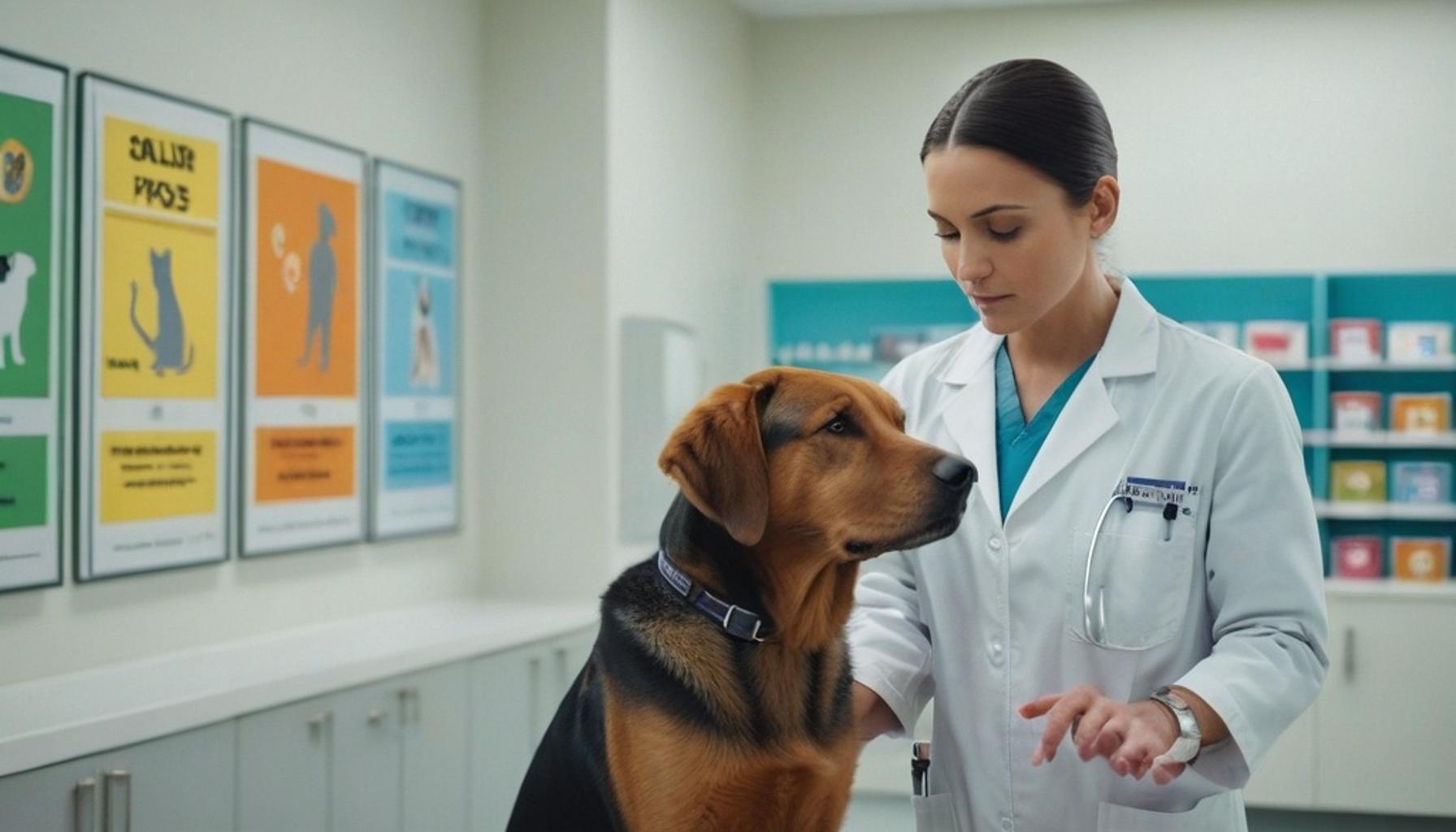
Implementing effective senior pet health strategies requires consistent professional monitoring rather than reactive visits during emergencies. Veterinary clinics across Lagos, Kano, and Enugu increasingly recommend bi-annual checkups for senior pets, compared to the standard annual visit for younger animals.
Bloodwork, dental examinations, and mobility assessments during these visits often reveal problems invisible to untrained eyes. Kidney function, thyroid levels, and joint health can deteriorate silently for months before visible symptoms emerge. Catching these shifts early through routine screening frequently transforms a pet’s remaining years from decline into comfortable, manageable aging.
Many clinics now offer senior wellness packages combining bloodwork, urinalysis, and blood pressure checks in a single visit, making comprehensive monitoring more accessible and affordable for Nigerian households balancing multiple priorities.
Following practical senior pet care tips from trusted veterinarians ensures owners aren’t navigating this journey blindly, but rather with informed confidence backed by professional guidance. Investing in these preventive measures today often means avoiding costlier emergency treatments tomorrow, while giving beloved companions the dignified aging process every pet deserves.
CHECK OUT: Training and Socialization: Fundamentals for the Behavior and Well-Being of Pets
# Nutritional Adjustments and Comfort-Focused Living Environments
Once owners recognize the signs of aging, the next logical step involves rethinking daily nutrition. Best diets for older pets differ substantially from standard adult formulas, requiring adjustments in protein quality, calorie density, and specific nutrient ratios that support failing organs rather than burdening them further.
Senior dogs often need reduced phosphorus levels to protect declining kidney function, while maintaining sufficient high-quality protein to preserve muscle mass. Cats, being obligate carnivores, require careful balancing since restricting protein too aggressively can accelerate muscle wasting, a common problem veterinarians in Ibadan and Port Harcourt frequently encounter in geriatric feline patients.
Nigerian pet owners often rely on affordable local options like rice, fish, and offal, which can work well when supplemented thoughtfully. However, commercial senior formulas fortified with glucosamine, omega-3 fatty acids, and antioxidants offer targeted support that homemade meals alone rarely provide consistently.
Practical Feeding Adjustments Worth Implementing
Small, consistent changes to feeding routines often yield noticeable improvements within weeks. Consider these approaches when restructuring meals for aging companions:
- Splitting daily food into smaller, more frequent portions to ease digestion
- Adding warm water or broth to dry kibble for pets with dental sensitivity
- Introducing joint-supporting supplements like fish oil or glucosamine chews
- Monitoring calorie intake closely since metabolism slows considerably with age
- Ensuring constant access to fresh water, particularly for pets prone to kidney strain
Obesity in senior pets compounds existing joint problems and increases diabetes risk substantially. A study referenced by several West African veterinary associations suggests overweight senior dogs experience arthritis symptoms roughly two years earlier than pets maintained at ideal body condition, making portion control a genuinely protective measure rather than mere cosmetic concern.
Adapting Home Environments for Aging Bodies
Beyond diet, physical surroundings significantly influence healthy aging for pets navigating stiff joints or diminishing eyesight. Compound living, common across Nigerian households, presents unique challenges when floors are uneven or stairs lack traction.
Simple modifications make daily movement considerably less painful. Placing rubber mats near sleeping areas prevents slipping, while raised food bowls reduce neck strain for dogs with arthritis. Orthopedic bedding, though sometimes viewed as unnecessary luxury, genuinely alleviates pressure on aging joints during rest.
Temperature regulation matters enormously too. Older pets struggle more with Nigeria’s intense heat, particularly during dry season months between November and February. Providing shaded resting spots and ensuring adequate ventilation prevents heat stress that younger, more resilient bodies might tolerate easily.
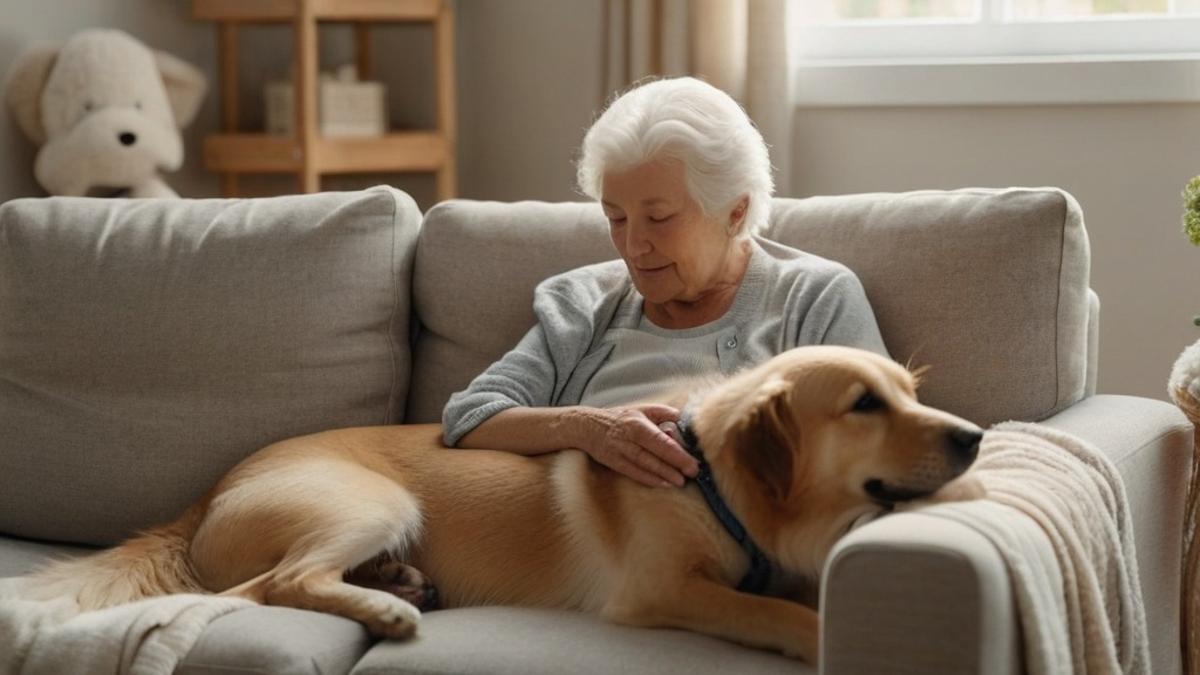
Beyond physical comfort, emotional support for senior animals deserves equal attention. Aging pets often experience anxiety from sensory decline, confusion, or disrupted routines. Maintaining consistent daily schedules, gentle physical affection, and patience during slower movements reassures pets navigating unfamiliar physical limitations, strengthening the bond between owner and companion during this vulnerable life stage.
Caring for Senior Animals: Bringing the Strategies Together
Caring for Senior Animals ultimately demands attention across several interconnected fronts rather than a single solution. Recognizing early signs of aging, adjusting nutrition thoughtfully, and reshaping home environments all work together to determine whether a pet’s later years become a period of decline or continued comfort.
Nigerian pet owners occupy a unique position in this journey. Balancing affordable local feeding practices with targeted supplements, navigating compound living with mobility-friendly modifications, and managing tropical heat all require solutions tailored to local realities rather than imported assumptions borrowed wholesale from foreign veterinary guidance.
Why Consistency Matters More Than Perfection
No single senior pet care tips checklist guarantees flawless results. What matters more is consistency: regular veterinary checkups, steady feeding routines, and predictable daily interactions that reduce anxiety in animals already coping with sensory or physical decline.
Owners who track subtle changes, weight fluctuations, appetite shifts, altered sleeping patterns, often catch treatable conditions before they escalate into emergencies. This proactive posture, more than any single product or supplement, defines effective senior pet health strategies.
Looking Beyond Physical Care
Perhaps the most overlooked element remains emotional connection. Aging pets sense disruption and confusion acutely, making patience and reassurance just as therapeutic as any prescribed medication or specialized diet.
As veterinary awareness continues expanding across Nigerian cities, from Lagos clinics to rural practices in Kaduna, owners gain increasing access to resources supporting healthy aging for pets. The responsibility, however, still rests largely with attentive daily observation at home.
Ultimately, thoughtful adjustments, however modest, compound into meaningful improvements. Senior pets rewarded with informed care often continue offering years of companionship, proving that aging gracefully remains achievable for animals just as it does for the humans who love them.

Beatriz
Beatriz Johnson is a seasoned pet care expert and writer with a passion for simplifying the complexities of pet ownership and animal well-being. With over a decade of experience in the field, she specializes in topics like pet nutrition, training techniques, and health care. Through her work on our website, Beatriz empowers pet owners to make informed decisions and provide the best possible care for their furry friends, ensuring happy and healthy lives for their beloved companions.