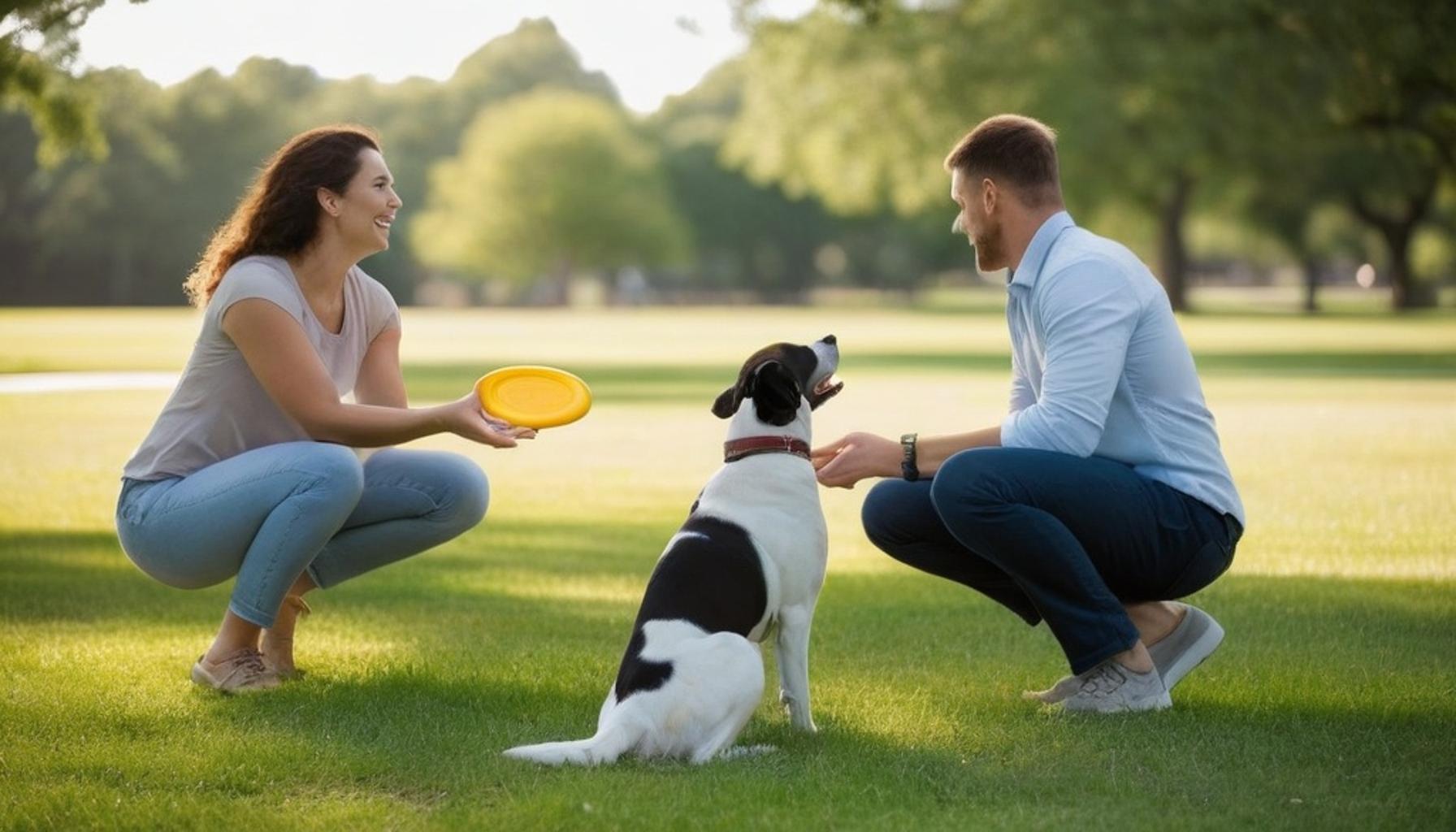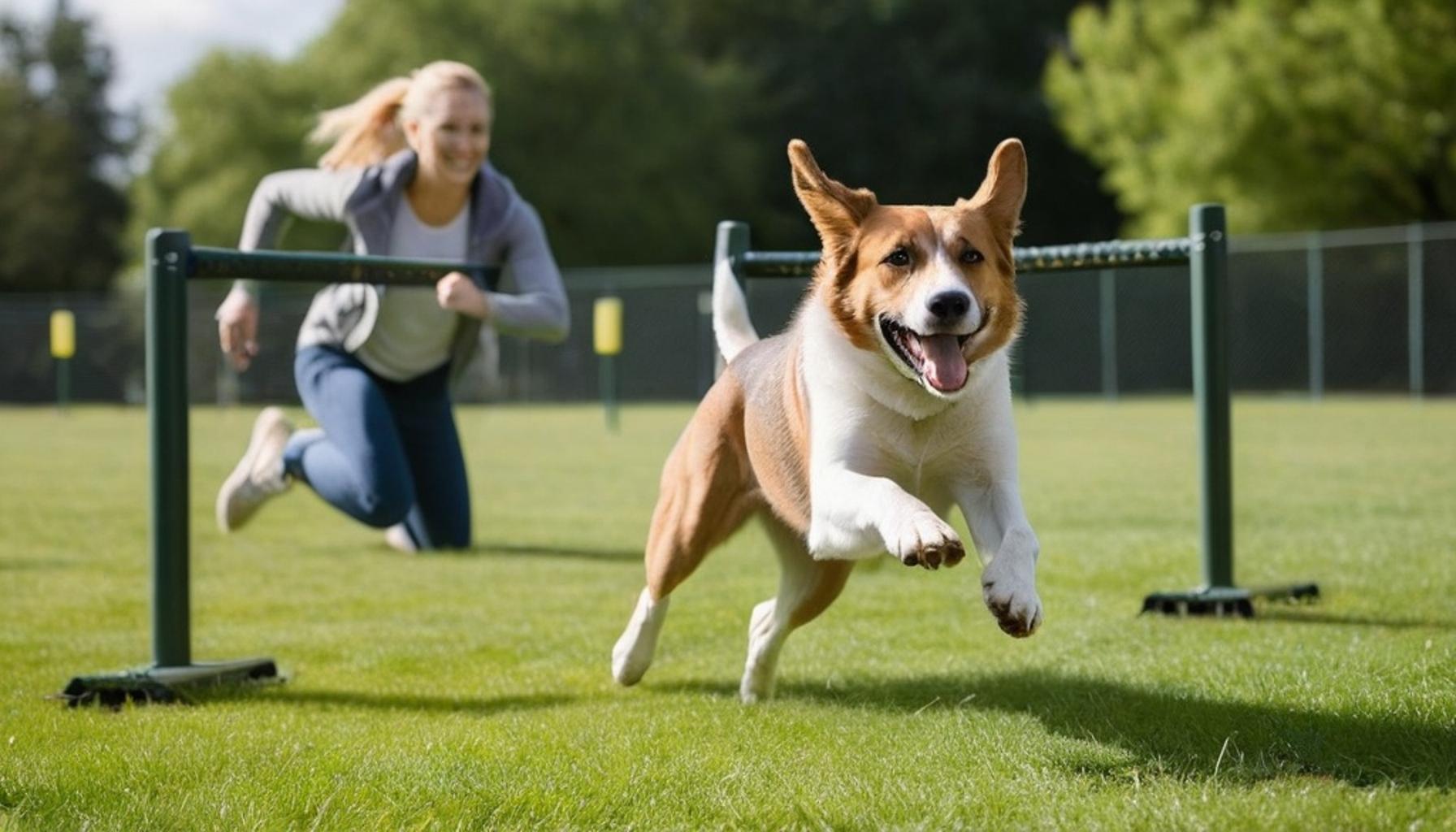
The Importance of Positive Training in the Health and Well-Being of Pets
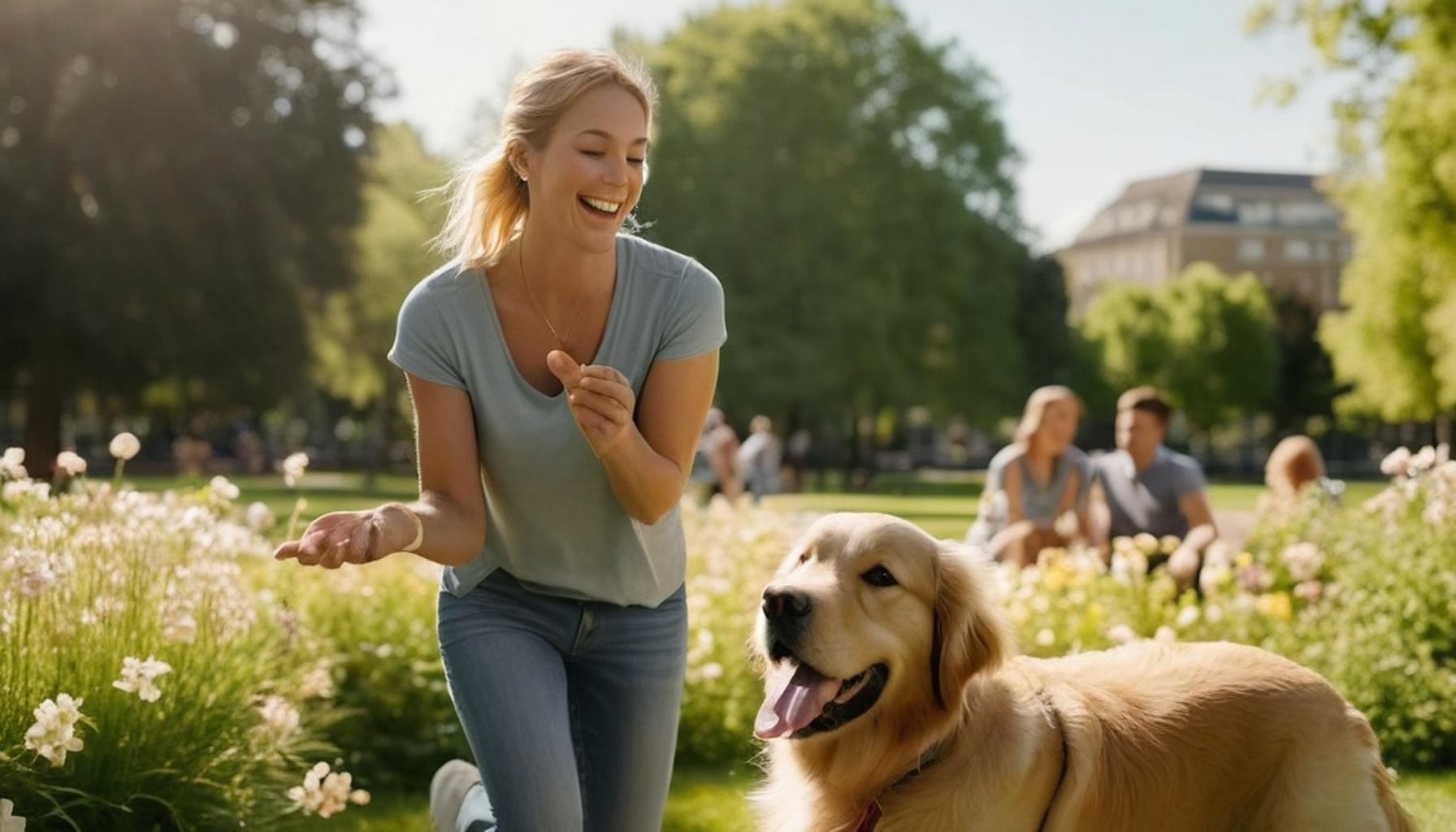
Why Positive Training Matters for Every Nigerian Pet Owner
Across Lagos, Abuja, and Port Harcourt, more households are welcoming dogs and cats into their homes than ever before. From estates in Lekki to compounds in Kaduna, pets have moved from being mere guard animals to becoming genuine members of the family. With this growing bond comes a critical question: how do we raise pets that are both obedient and genuinely happy?
The answer increasingly points to Positive Training for Pets, a method gaining momentum worldwide for good reason. Veterinary experts and animal behaviorists across Nigeria are beginning to advocate for this approach as more owners seek humane, effective ways to shape their pets’ behavior without resorting to harsh discipline.
A Shift From Fear to Trust
Traditional punishment-based methods, common in many Nigerian homes where shouting or hitting a dog for chewing shoes is seen as normal, often leave pets anxious, confused, or aggressive. Positive reinforcement flips this approach entirely, rewarding good behavior instead of punishing mistakes. Instead of scolding a puppy for jumping on visitors, owners are taught to reward calm greetings with treats or praise.
Studies show pets trained this way display:
- Lower stress hormone levels
- Stronger bonds with their owners
- Fewer behavioral problems like excessive barking or biting
- Greater willingness to learn new commands
These outcomes matter deeply in cities like Lagos, where apartment living and close-knit neighborhoods mean a poorly trained, anxious dog can quickly become a source of tension with neighbors.
Beyond Obedience: A Health Connection
Few realize that training for pet well-being extends far beyond simple obedience. A well-trained pet is often a physically healthier one, moving more, eating better, and experiencing less chronic stress. For instance, a dog trained to walk calmly on a leash is more likely to enjoy regular exercise around estates or parks in Abuja, rather than being confined indoors due to unpredictable behavior.
This is where healthy pets through training becomes more than a catchy phrase, it becomes measurable science, with veterinarians increasingly linking behavioral stability to improved immune function and digestion in animals.
What This Article Will Explore
This piece dives into practical pet training techniques that Nigerian pet owners can start using today, regardless of budget or living space. We’ll uncover the real benefits of positive reinforcement backed by veterinary research, including how simple reward systems can transform even the most stubborn pets.
You’ll also discover proven positive training methods for dogs and cats alike, tailored to fit busy urban lifestyles where time is limited but the desire for a well-behaved, joyful companion remains strong.
YOU MAY ALSO LIKE: Puppy Socialization: Preparing Your New Friend for a Healthy and Happy Lifestyle
Walk through any veterinary clinic in Ikeja or Wuse, and you’ll notice a pattern emerging among practitioners: they’re spending more consultation time discussing behavior than ever before. This shift reflects a growing understanding that Positive Training for Pets isn’t just a Western trend, it’s becoming essential knowledge for Nigerian households navigating urban pet ownership.
The Reward Circuit: How Dogs and Cats Actually Learn
Animal behaviorists point to something called operant conditioning, a fancy term for a simple truth: animals repeat behaviors that bring good outcomes. When a dog sits and immediately receives a treat, its brain releases dopamine, the same feel-good chemical humans experience when achieving a goal.
This biological reality explains why pet training techniques rooted in rewards consistently outperform punishment-based methods. A 2019 study published in the Journal of Applied Animal Welfare Science found that dogs trained with aversive methods showed significantly higher stress indicators than those trained through positive reinforcement. Researchers measured cortisol levels, a stress hormone, and discovered that punishment-based training left lasting physiological markers even after sessions ended.
For Nigerian pet owners, this translates into practical daily scenarios:
- A cat that scratches furniture learns faster with a scratching post reward system than with spray bottles or shouting
- Puppies housebroken through praise and treats show quicker success rates than those punished for accidents
- Dogs taught to ignore street noise or okada horns through calm reinforcement become more reliable walking companions
- Parrots and other exotic pets, increasingly popular in Nigerian homes, respond to clicker training with remarkable speed compared to traditional handling methods
Why Nigerian Households Need This Knowledge Now
Pet ownership in Nigeria has evolved rapidly. Estate living in cities like Port Harcourt means dogs interact with more strangers, children, and other animals than rural counterparts ever did. This increased social exposure demands better-behaved, emotionally stable pets. Gone are the days when dogs simply guarded compounds from a distance, today’s urban pets navigate shared gates, communal play areas, and constant human traffic.
The benefits of positive reinforcement become particularly evident here. A dog anxious around visitors due to past punishment may bark aggressively or hide, creating friction with neighbors sharing tight compound spaces. Conversely, a pet trained through encouragement typically greets guests calmly, reducing household stress considerably. This matters even more in Nigerian estates where noise complaints and neighbor disputes over pet behavior have become increasingly common.
Veterinarians in Lagos have also begun noting a correlation worth mentioning: pets exhibiting chronic anxiety from harsh training often present with digestive issues, skin conditions, and weakened immune responses during checkups. While correlation isn’t causation, the pattern aligns with broader research on stress-related illness in domestic animals. Some clinics have started recommending behavioral consultations alongside routine vaccinations, treating emotional wellness as inseparable from physical health.
This growing body of evidence positions training for pet well-being as something beyond convenience, it’s preventive healthcare. Understanding this connection sets the foundation for exploring specific, actionable methods Nigerian pet owners can implement immediately, regardless of their pet’s age, breed, or previous training history.
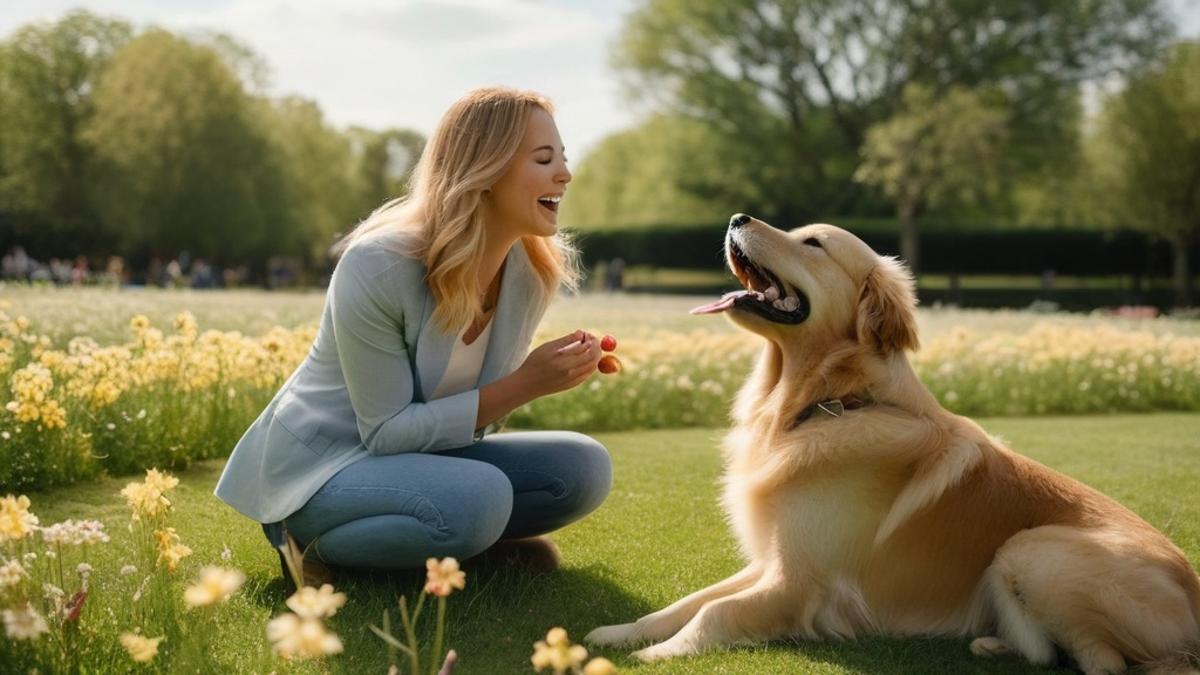
LEARN MORE: The Importance of Positive Training for the Health and Well-Being of Pets
Practical Methods That Work in Nigerian Homes
Knowing the science behind Positive Training for Pets means little without actionable steps. Nigerian pet owners juggling generator noise, unpredictable schedules, and multi-generational households need methods that fit real-life chaos, not laboratory conditions.
Starting With Timing, Not Just Treats
Many first-time pet owners assume positive reinforcement simply means handing out biscuits whenever a dog behaves. The actual mechanics require precision. Rewards delivered more than two to three seconds after a behavior lose their teaching power, the animal’s brain no longer connects the action to the outcome.
This is where clicker training, an inexpensive tool available in most Lagos pet shops, proves invaluable. The click marks the exact moment of correct behavior, followed immediately by a treat. Trainers across Abuja have adopted this method specifically because it removes guesswork from timing.
Beyond the clicker itself, tone of voice plays an underestimated role in many Nigerian households. A sharp, high-pitched praise word delivered consistently, whether in English or a local phrase, becomes its own marker signal over time. Dogs and cats do not understand vocabulary the way humans do, but they read pitch, rhythm, and consistency with remarkable accuracy. This means a household can build an entire training vocabulary around sounds already familiar to family members, reducing the need for imported training jargon.
Building a Nigerian-Specific Training Routine
Effective pet training techniques should account for local realities. Consider these adapted approaches:
- Use small pieces of boiled chicken or liver, readily available and inexpensive, rather than imported commercial treats that strain budgets
- Train during quieter hours, early morning before market noise peaks, when pets concentrate better
- Involve household staff and children in consistent command words, since mixed instructions between English, Pidgin, and local languages can confuse pets during early training stages
- Practice recall commands in secured compounds before attempting them near open gates or busy streets
Consistency matters more than session length. Ten focused minutes twice daily produces better results than one exhausting hour that leaves both pet and owner frustrated.
Weather also shapes training windows more than many owners realize. During peak harmattan dust or the heaviest rainy season downpours, outdoor sessions become impractical, pushing families toward short indoor drills instead. Adjusting expectations around Nigeria’s climate patterns, rather than fighting them, keeps momentum steady across the calendar year without frustrating either the trainer or the animal.
Measuring Success Beyond Obedience
The benefits of positive reinforcement extend into measurable health outcomes that Nigerian veterinarians now track more closely. Pets trained through encouragement typically show:
- Lower resting heart rates during veterinary examinations, indicating reduced baseline anxiety
- Fewer stress-related behaviors like excessive licking, tail-chasing, or destructive chewing
- Improved appetite consistency, since chronic stress often suppresses hunger in dogs and cats alike
- Better sleep patterns, with fewer nighttime disturbances or restlessness
Achieving healthy pets through training isn’t abstract wellness talk, it reflects observable clinical patterns. Animal shelters in Lagos have reported that dogs rehomed with positive training histories adapt to new environments considerably faster than those with punishment-heavy backgrounds, often settling within days rather than weeks.
For households with multiple pets, a common scenario in Nigerian compounds housing dogs, cats, and sometimes poultry, positive training methods for dogs also reduce inter-species conflict. A dog rewarded for calm behavior around chickens learns tolerance faster than one scolded repeatedly, which often escalates prey drive rather than suppressing it.
Some veterinary clinics in Port Harcourt and Ibadan have started keeping informal records comparing patient temperament against reported training histories. While not yet formal research, these observations hint at a broader pattern worth investigating: pets raised without harsh correction methods appear to tolerate handling, travel, and unfamiliar environments with noticeably less resistance, a detail that matters greatly for families who relocate frequently or travel between states for work.
These practical foundations demonstrate that training for pet well-being requires neither expensive equipment nor imported expertise, just consistent application of principles any Nigerian household can master with patience and the right approach.
Rethinking How Nigeria Raises Its Pets
The evidence gathered across veterinary clinics in Lagos, Abuja, Port Harcourt, and Ibadan points toward a conclusion that deserves wider attention: Positive Training for Pets is not a foreign luxury but a practical framework already adaptable to Nigerian realities. From clicker timing to boiled chicken treats, the tools required sit within reach of most households, regardless of income bracket.
What emerges from this discussion is a shift in perspective. Obedience was once the primary measure of a well-trained animal. Today, veterinarians increasingly point to calmer heart rates, steadier appetites, and reduced destructive behavior as the true markers of success. These outcomes place healthy pets through training firmly within the domain of preventive healthcare, not simply household convenience.
Nigerian pet owners juggling irregular schedules, multi-generational homes, and unpredictable weather patterns have particular reason to embrace these pet training techniques. They require no imported equipment, only consistency, patience, and a willingness to replace correction with encouragement.
The benefits of positive reinforcement extend beyond the individual animal too. Compounds housing dogs, cats, and poultry together benefit from reduced conflict when positive training methods for dogs replace punishment-based approaches, easing tension between species sharing tight spaces.
Perhaps the most compelling insight is how quickly shelter dogs with positive training histories adapt to new environments compared to those raised under harsher methods. This detail alone suggests that early investment in gentle, reward-based methods pays dividends long after initial training concludes.
As more Nigerian veterinary clinics begin tracking temperament alongside training history, informal observations may eventually harden into formal data. Until then, households willing to experiment with training for pet well-being are already positioned ahead of a curve that science appears poised to confirm. The choice facing pet owners is not whether change is necessary, but how soon they choose to begin.
Frequently Asked Questions
What exactly is positive training for pets and how does it differ from traditional methods used in Nigeria?
Positive training for pets focuses on rewarding good behaviour with treats, praise, or play instead of using punishment or fear-based corrections common in some traditional Nigerian pet-keeping practices. This approach builds trust between the pet and owner, making dogs and cats more responsive without the anxiety caused by scolding or physical discipline. It is backed by animal behaviourists worldwide as a safer and more effective long-term method.
Can positive training help reduce aggressive behaviour in local Nigerian dog breeds like the Nigerian Local Dog or Ajawa?
Yes, positive training can significantly reduce aggression in local breeds by addressing the root cause, which is often fear or lack of socialization rather than innate hostility. Consistent reward-based training helps these dogs associate people and new situations with positive experiences instead of threats. Many Nigerian pet owners have successfully used treats and gentle guidance to calm even guard dogs known for territorial aggression.
How does positive training improve a pet’s overall health, not just its behaviour?
Positive training reduces stress hormones like cortisol in pets, which lowers the risk of stress-related illnesses such as digestive problems and weakened immunity. A well-trained, mentally stimulated pet is also more likely to get adequate exercise and maintain a healthy weight, since training sessions often involve physical activity. Overall, pets trained positively tend to live longer, happier lives with fewer behavioural or health complications.
What are some affordable positive training tools or treats available in Nigeria for beginners?
Nigerian pet owners can use everyday items like small pieces of boiled chicken, liver treats, or even local snacks like garri-based biscuits as training rewards, as long as they are safe for pets. Clicker training tools are also becoming available in pet stores in cities like Lagos and Abuja, though a simple verbal cue like “good boy” paired with a treat works just as well. Starting with items already at home makes positive training accessible without needing expensive imported products.
How long does it typically take to see results from positive training in puppies or kittens?
Most puppies and kittens begin showing noticeable improvements within two to four weeks of consistent daily positive training sessions of about 10 to 15 minutes each. Simple commands like sit, stay, or litter training often show faster results than more complex behaviours like leash walking in busy Nigerian streets. Patience and consistency are key, as every pet learns at its own pace depending on breed and temperament.
Is positive training suitable for adult or rescue pets commonly adopted from Nigerian shelters?
Absolutely, positive training is especially beneficial for adult and rescue pets who may have experienced trauma or neglect before adoption. This gentle method helps rebuild their confidence and trust in humans without triggering fear responses linked to past negative experiences. Many rescue organizations in Nigeria, including those in Lagos and Ibadan, now recommend positive reinforcement as the standard approach for rehabilitating rescued animals.

Beatriz
Beatriz Johnson is a seasoned pet care expert and writer with a passion for simplifying the complexities of pet ownership and animal well-being. With over a decade of experience in the field, she specializes in topics like pet nutrition, training techniques, and health care. Through her work on our website, Beatriz empowers pet owners to make informed decisions and provide the best possible care for their furry friends, ensuring happy and healthy lives for their beloved companions.