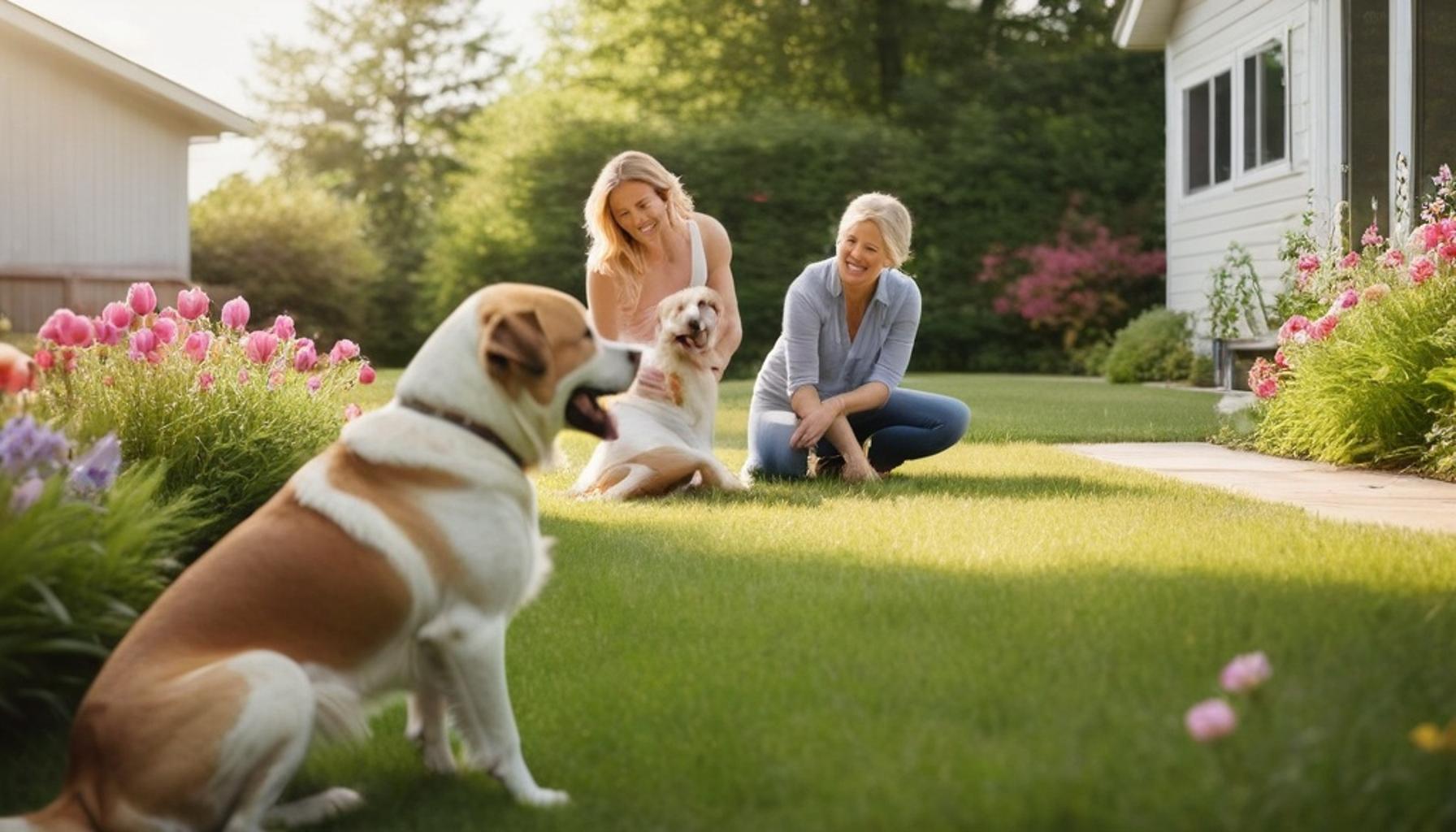
Positive Training and Behavior in Dogs and Cats: Tips for a Happy and Healthy Pet

Why Positive Training for Pets Is Changing the Game in Nigerian Homes
From Lagos apartments to compounds in Abuja, more Nigerian pet owners are welcoming dogs and cats into their families. But raising a well-behaved pet takes more than food and shelter.
Positive Training for Pets is emerging as the most effective, humane approach to shaping good behavior. It relies on rewards, patience, and consistency rather than punishment.
Why Old-School Methods Are Losing Ground
For years, many Nigerian households relied on shouting, hitting, or chaining pets as a way to enforce discipline. While these methods might produce short-term compliance, veterinary behaviorists warn they often backfire, leading to fear, aggression, or withdrawal. A dog that associates its owner with fear may bite out of anxiety rather than malice, while a cat subjected to harsh handling may simply disappear under the bed for days.
Positive reinforcement flips this script entirely. Instead of punishing mistakes, it rewards desired behavior with treats, praise, or playtime. Over time, pets begin to associate good behavior with positive outcomes, making them more cooperative and less anxious. This shift mirrors global trends, where animal welfare organizations increasingly discourage punishment-based training in favor of reward systems.
What This Article Covers
Whether you have a playful puppy or a stubborn cat, understanding dog training techniques and cat behavior modification can transform your daily routine. This guide breaks down practical, science-backed methods anyone can apply at home, even amid Nigeria’s unpredictable schedules and communal living arrangements.
- How positive reinforcement builds trust and reduces anxiety in pets
- Simple pet training at home exercises for beginners
- Common behavior problems and how to correct them without fear-based methods
- Tips for adapting training to Nigeria’s climate, housing, and lifestyle
Studies show pets trained with positive methods display fewer aggressive tendencies and adapt faster to new environments. This matters greatly in busy Nigerian households where routines can shift unexpectedly, from unannounced visitors to sudden power outages that disrupt a pet’s sense of stability.
Practical Examples for Nigerian Pet Owners
Consider a Lagos family with a new puppy struggling with excessive barking whenever generators roar to life during power cuts. Instead of scolding the dog, owners can reward calm behavior with a treat the moment the barking stops, gradually teaching the puppy that silence, not noise, earns rewards. Similarly, cats that scratch furniture can be redirected toward scratching posts, with praise reinforcing the preferred behavior.
These small, consistent actions build a foundation of trust between pet and owner, something especially valuable in compounds where multiple family members interact with the same animal daily.
The Bigger Picture
Beyond obedience, this approach supports overall wellbeing. Discover the real benefits of positive reinforcement and practical happy pets tips that go beyond basic commands, creating a stronger bond between you and your furry companion. As more Nigerian households embrace this method, pets are not just becoming better behaved, they are becoming genuinely happier, healthier members of the family.
CHECK OUT: The Importance of Prevention: Health and Vaccination Tips for Pets
The Science Behind Positive Training for Pets
Understanding why Positive Training for Pets works requires a quick look at animal psychology. Dogs and cats, like many animals, respond to consequences. When a behavior leads to something pleasant, they repeat it. When it leads to nothing or something unpleasant, they eventually stop. This is not a modern invention but a biological reality rooted in survival instincts that every domesticated animal carries, whether it is a German Shepherd guarding a compound in Lagos or a stray cat adopted from a market in Kano.
This principle, known as operant conditioning, forms the backbone of modern dog training techniques and cat behavior modification strategies used by veterinarians and animal behaviorists worldwide. Nigerian pet owners are increasingly adopting these same methods, moving away from outdated punishment-based habits passed down through generations. This shift is not merely a trend; it reflects growing access to information through social media, veterinary clinics, and pet expos held in cities like Abuja and Port Harcourt.
How Rewards Shape Long-Term Behavior
Unlike punishment, which suppresses behavior temporarily, rewards build lasting habits. A dog that receives a treat for sitting calmly during visitors’ arrival learns that composure, not jumping or barking, gets attention and food. A cat that receives gentle praise for using its litter box consistently associates the box with a positive experience rather than fear of scolding. Over time, these small interactions compound into a pet that instinctively chooses good behavior without needing constant supervision.
Research from animal behavior institutes shows that pets trained with reward-based methods retain commands longer and display more predictable behavior in stressful situations. This is particularly useful in Nigerian homes where unpredictable noise from traffic, generators, or large family gatherings can easily unsettle an anxious pet. A dog accustomed to positive reinforcement is far less likely to bolt through an open gate or bark uncontrollably when a generator suddenly roars to life.
Key Elements of Effective Reward-Based Training
Successful pet training at home depends on a few consistent principles. Owners who understand these basics often see faster, more reliable results, sometimes within just a few weeks of consistent practice.
- Timing: Rewards must come immediately after the desired behavior, ideally within two to three seconds, so the pet clearly connects the action with the reward.
- Consistency: Every family member interacting with the pet should use the same commands and reward system to avoid confusion.
- Value of the reward: Treats, toys, or praise should genuinely excite the pet; a bored cat will ignore a reward it doesn’t find appealing.
- Gradual reduction: Once a behavior becomes habit, rewards can be given less frequently without losing the learned response.
Many trainers also recommend keeping sessions short, around five to ten minutes, since pets, much like children, lose focus quickly during repetitive drills. Breaking training into small daily sessions rather than one long weekly exercise tends to produce better long-term results.
Why This Matters for Nigerian Households
In many Nigerian compounds, pets interact with children, extended family, and household staff daily. Without a consistent approach, dogs and cats can become confused about expected behavior, leading to anxiety or stubbornness. This confusion often shows up as excessive barking, destructive scratching, or refusal to follow simple commands, frustrating owners who may not realize the root cause lies in inconsistent handling.
The benefits of positive reinforcement extend beyond obedience. Pets trained this way tend to display calmer temperaments, adapt faster to new environments, and form stronger bonds with their owners. For families juggling unpredictable schedules, that reliability can make daily life significantly easier, and considerably more enjoyable for everyone involved, from toddlers learning to interact safely with a new puppy to elderly relatives who appreciate a well-mannered companion animal.

RECOMMENDED: The Importance of Vaccination and Disease Prevention in Pets
Practical Dog Training Techniques for Everyday Nigerian Homes
Moving from theory to practice is where many pet owners struggle. Positive Training for Pets becomes effective only when applied consistently in real situations, not just during formal sessions. Nigerian households often present unique challenges, from compound gates left open by visitors to children who unintentionally provoke pets through rough play.
Simple dog training techniques can address these everyday scenarios without requiring professional intervention. Teaching a dog to “stay” before gates open, for instance, prevents dangerous dashes into busy streets common in urban areas like Lagos or Ibadan. Similarly, training a dog to associate a specific whistle or word with returning home helps during outdoor playtime in open compounds.
Addressing Common Behavioral Challenges
Excessive barking remains one of the most reported issues among Nigerian dog owners, often triggered by okada riders, hawkers, or unfamiliar visitors. Rather than shouting, which many pets interpret as joining the noise, trainers recommend redirecting attention with a command like “quiet,” followed immediately by a reward once silence occurs, even briefly.
Cats present different challenges. Scratching furniture, for example, is rarely about destruction; it’s a natural instinct tied to territory marking and claw maintenance. Instead of punishment, providing a scratching post near favored furniture and rewarding its use often resolves the issue within two to three weeks.
- Jumping on visitors: Reward calm greetings with treats, ignoring excited jumping entirely.
- Litter box avoidance: Keep the box clean and in a quiet location, rewarding consistent use.
- Chewing on household items: Redirect to appropriate chew toys, praising immediately when used.
- Aggression toward strangers: Gradual, reward-based exposure to new people in controlled settings.
Cat Behavior Modification Without Stress
Cat behavior modification often requires more patience than dog training since cats respond poorly to forceful correction. Many veterinarians in Nigeria now advise against traditional methods like water spraying, noting it frequently increases anxiety rather than resolving unwanted behavior.
Instead, clicker training, a method using a small clicking device paired with treats, has gained popularity among Nigerian pet influencers and trainers. The click marks the exact moment of desired behavior, helping cats connect actions with rewards faster than verbal praise alone.
Building a Daily Routine for Pet Training at Home
Effective pet training at home thrives on structure. Setting fixed times for feeding, walks, and short training sessions creates predictability that both dogs and cats respond well to. Pets thrive on routine, and irregular schedules often contribute to anxiety-driven behaviors like excessive meowing or destructive digging.
Data from animal welfare organizations suggests pets in structured households display fewer stress-related behaviors compared to those in unpredictable environments. For Nigerian families balancing work, school runs, and generator schedules, even a simple fifteen-minute daily routine can noticeably improve a pet’s temperament within a month.
Ultimately, the happy pets tips that matter most are rarely complicated. They involve patience, timing, and recognizing that every small, calm interaction shapes long-term behavior far more effectively than occasional dramatic corrections ever could.
Final Thoughts on Raising Well-Behaved, Happy Pets
Across Nigerian homes, from busy Lagos apartments to quieter compounds in Enugu or Kano, the same truth holds: Positive Training for Pets transforms not just behavior but the entire relationship between owner and animal. Fear-based correction may produce temporary compliance, but it rarely builds the trust that lasting good behavior depends on.
Throughout this article, one theme has stood out clearly. Whether addressing a dog’s excessive barking at okada riders or a cat’s instinct to scratch furniture, the most reliable dog training techniques and cat behavior modification methods share a common foundation, consistency, patience, and reward-based reinforcement.
Why Small Efforts Yield Big Results
The benefits of positive reinforcement extend beyond obedience. Pets raised in reward-driven environments tend to display lower stress levels, better social adaptability, and fewer destructive habits. This matters greatly in Nigerian households where pets often interact with extended family, visitors, and children daily.
Owners don’t need expensive equipment or professional trainers to see change. Simple, structured pet training at home, even fifteen minutes daily, can noticeably reshape a pet’s temperament within weeks.
Moving Forward with Confidence
As more Nigerian pet owners embrace science-backed methods over outdated punishment, the conversation around animal welfare continues to shift. Applying practical happy pets tips consistently, rather than sporadically, remains the clearest path toward a calmer home and a healthier bond.
Ultimately, every wagging tail, relaxed purr, or obedient pause at the gate reflects the same lesson: patience and positivity, practiced daily, create pets that are not just well-trained, but genuinely content.
Frequently Asked Questions
What is positive training for pets and why is it recommended over punishment-based methods in Nigeria?
Positive training for pets involves rewarding desired behaviors with treats, praise, or play instead of using fear or physical punishment. This approach builds trust between you and your dog or cat, which is especially important in Nigerian homes where pets often interact closely with children and extended family. Studies and vet experience show it leads to faster learning and fewer anxiety-related behavior problems compared to harsh corrections.
Which local treats can I use for positive training if commercial pet treats are too expensive or hard to find?
You can use small pieces of boiled chicken, fish, or liver as affordable, protein-rich rewards readily available in Nigerian markets. Plain boiled yam or sweet potato in tiny amounts also works well as an occasional treat for dogs. Always avoid seasoned or spicy foods, onions, and excessive salt, as these can harm your pet’s health.
How do I stop my dog from barking excessively at visitors using positive training methods?
Start by rewarding your dog with treats and calm praise whenever it stays quiet as a visitor approaches, gradually increasing the difficulty as it improves. Avoid shouting or hitting, as this can increase anxiety and worsen the barking over time. Consistent short training sessions, ideally 5 to 10 minutes daily, help your dog associate visitors with calm, positive outcomes rather than threats.
Can positive training work for stray or rescued cats commonly adopted in Nigerian communities?
Yes, positive training works very well for rescued or previously stray cats because it helps rebuild trust without triggering fear from past negative experiences. Use gentle rewards like small fish treats or favorite toys to encourage behaviors such as using the litter box or approaching calmly. Patience is key, as rescued cats may take several weeks to fully respond to consistent positive reinforcement.
How often and how long should positive training sessions be for a happy, healthy pet?
Short, frequent sessions of 5 to 15 minutes, once or twice daily, are more effective than long, infrequent training for both dogs and cats. This keeps your pet engaged without causing frustration or fatigue, which is especially useful given busy schedules common among Nigerian pet owners. Consistency over weeks, rather than intensity in a single session, is what builds lasting good behavior.

Beatriz
Beatriz Johnson is a seasoned pet care expert and writer with a passion for simplifying the complexities of pet ownership and animal well-being. With over a decade of experience in the field, she specializes in topics like pet nutrition, training techniques, and health care. Through her work on our website, Beatriz empowers pet owners to make informed decisions and provide the best possible care for their furry friends, ensuring happy and healthy lives for their beloved companions.