
Preventive Care for Adopted Pets: Ensuring the Health and Well-Being of Your New Companion
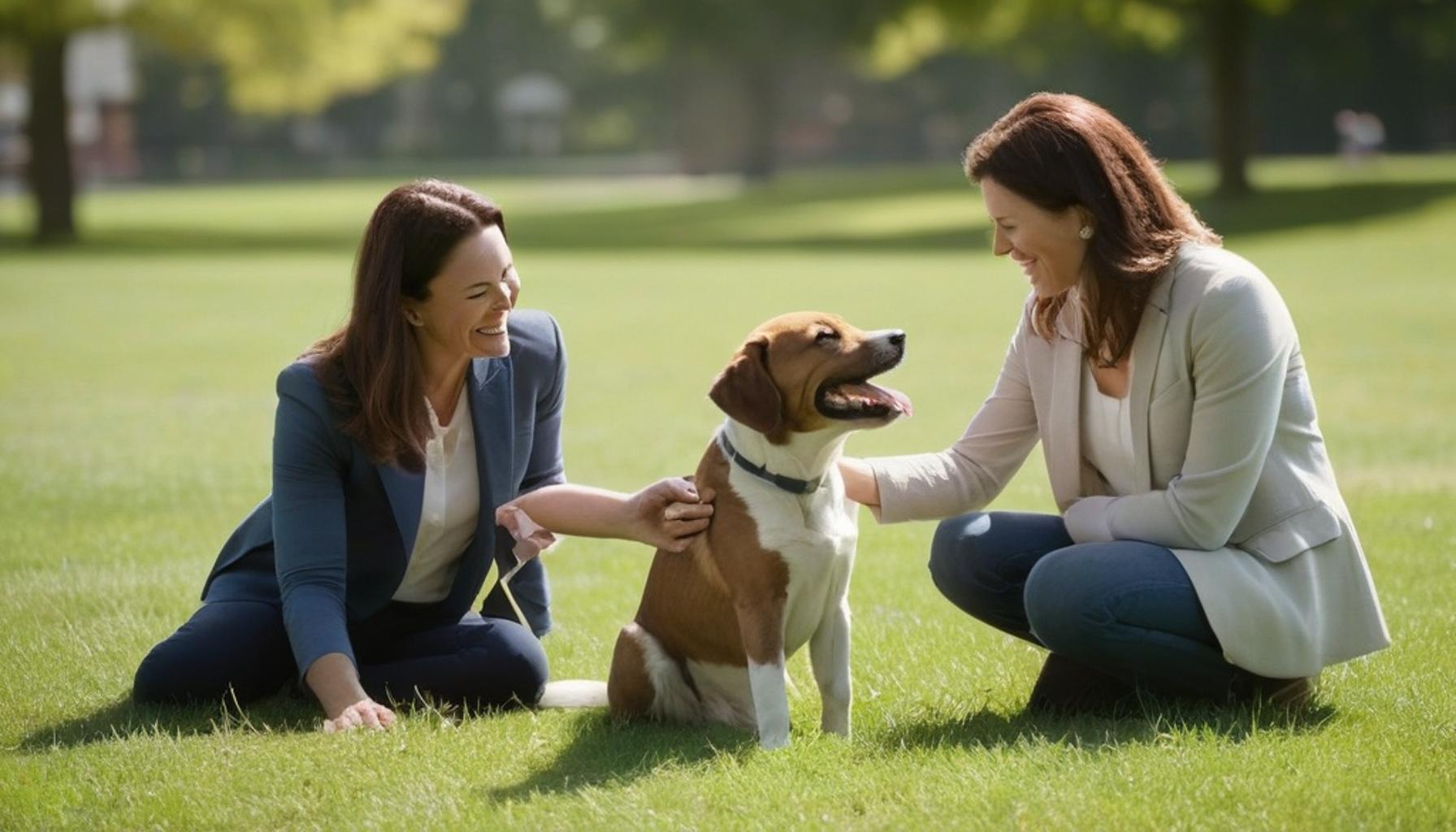
Bringing Home a Rescued Companion: Why Preventive Care Matters
Across Nigeria, from Lagos to Abuja, more families are opening their homes to rescued cats and dogs. This growing trend of pet adoption brings joy, but it also comes with responsibilities that many new owners overlook. Animal shelters in cities like Port Harcourt and Ibadan report a steady rise in adoption rates over the past few years, a hopeful sign for animal welfare in the country.
Preventive Care for Adopted Pets is not just a suggestion—it is the foundation for a long, healthy life together. Rescued animals often carry hidden health risks that surface only after they settle into their new environment. What looks like a healthy, playful puppy or cat at the shelter may actually be hiding conditions that take days or weeks to reveal themselves.
What Every New Pet Owner Should Know
Shelters and rescue centers, though well-intentioned, cannot always provide complete medical histories. This makes proactive preventive veterinary care essential from day one. Many rescue organizations operate with limited funding and staff, meaning some animals arrive at their forever homes without a full picture of their past exposure to disease or trauma.
Consider these common challenges with rescued animals:
- Undiagnosed parasites or infections
- Incomplete vaccination records
- Nutritional deficiencies from prior neglect
- Stress-related behavioral issues
- Underlying conditions masked by shelter environments
These hidden issues explain why health checks for rescued animals should happen within the first week of adoption, not months later. A delay in diagnosis, veterinarians warn, can turn a minor infection into a serious, expensive complication.
Setting the Stage for a Healthy Future
Veterinary experts across Nigeria increasingly emphasize early intervention. A thorough checkup can catch problems before they become costly emergencies, saving pet owners both heartache and unnecessary expenses down the line.
This article explores practical pet health tips for adopted pets, covering vaccination schedules, nutrition planning, and behavioral adjustment. Whether you are a first-time adopter or expanding your furry family, this adopting a pet health guide will equip you with actionable wellness strategies for adopted animals that ensure your new companion thrives in its new Nigerian home, surrounded by care, patience, and informed decision-making.
LEARN MORE: Enrichment and Socialization: Training Your New Companion for a Happy Life
The First Veterinary Visit: Building a Health Foundation
Within 72 hours of bringing a rescued animal home, a visit to a licensed veterinarian should top every new owner’s checklist. This initial appointment forms the cornerstone of effective preventive veterinary care, allowing professionals to establish baseline health metrics before any complications emerge.Veterinary clinics in Lagos and Abuja report that early comprehensive examinations catch approximately 30 to 40 percent of underlying health issues that would otherwise go unnoticed for weeks.
This statistic alone justifies the urgency behind scheduling that first appointment immediately after adoption. Many rescued animals arrive with histories that are murky at best, having passed through multiple hands, uncertain feeding schedules, and exposure to environments where disease spreads quickly among unvaccinated populations.
Essential Components of Initial Health Checks for Rescued Animals
A thorough veterinary examination should never be rushed or treated as a formality. Genuine health checks for rescued animals involve multiple layers of assessment that go beyond a quick visual inspection.Veterinarians typically examine the following during this critical first visit:
- Complete physical examination including weight, dental health, and coat condition
- Blood tests to screen for common diseases like heartworm or tick-borne infections
- Fecal analysis to detect intestinal parasites
- Assessment of vaccination status and immunization needs
- Microchip verification or implantation for identification purposes
Many pet owners in Nigeria underestimate how prevalent parasitic infections remain among rescued animals. Ticks, fleas, and intestinal worms often thrive in shelter environments, particularly where resources for regular deworming are limited. In humid regions such as Port Harcourt and parts of the South-South, these parasites multiply even faster, making prompt screening all the more critical for newly adopted pets.
Why Timing Cannot Be Ignored
Delaying this initial checkup carries real consequences. A dog harboring undetected heartworm disease, for instance, may show no symptoms for months while the condition silently damages its heart and lungs. By the time visible signs appear, treatment becomes significantly more complex and costly, sometimes requiring extended hospitalization that could have been avoided entirely.
This is precisely why an effective adopting a pet health guide stresses urgency over convenience. Veterinary professionals across Nigerian cities increasingly advocate for standardized intake protocols that mirror pediatric care models used for human infants, where early screening determines long-term outcomes far more reliably than reactive treatment ever could.
Pet owners should also request written documentation from this first visit. These records become invaluable reference points for tracking your companion’s progress and establishing effective wellness strategies for adopted animals moving forward. Without this baseline, distinguishing between normal behavior and emerging health concerns becomes considerably more difficult in the months ahead. Some clinics in Ibadan and Kano now offer digital health passports for pets, a practice worth investigating further as veterinary care continues evolving across the country.

YOU MAY ALSO LIKE: Adoption and Nutrition: Creating a Balanced Diet for Your New Rescued Pet
Vaccination Schedules and Parasite Prevention: Building Long-Term Immunity
Beyond that first veterinary visit, sustained preventive veterinary care depends heavily on following a structured vaccination timeline. Many rescued animals arrive with incomplete or entirely unknown immunization histories, which means veterinarians often must restart the process from scratch rather than assume any prior protection exists. This blank-slate approach, while sometimes redundant, remains the safest path when documentation is missing or unreliable.
Core vaccines for dogs typically cover rabies, distemper, parvovirus, and hepatitis, while cats require protection against feline panleukopenia, calicivirus, and rhinotracheitis. In Nigeria, rabies vaccination carries particular weight given the disease’s near-100 percent fatality rate once symptoms appear in either animals or humans. Public health officials across states like Lagos and Rivers have repeatedly flagged rabies as a silent but preventable threat, especially in communities where stray dog populations remain high.
Building a Practical Vaccination Timeline
Puppies and kittens generally need a series of vaccinations spaced three to four weeks apart until they reach sixteen weeks of age. This staggered schedule accounts for maternal antibodies gradually losing their protective effect, allowing the young animal’s own immune system to take over effectively. Adult rescued animals, however, present a different challenge entirely, since their exposure history and vaccination status often remain a mystery.
Veterinarians in cities like Enugu and Kaduna often recommend the following approach for adult rescues with unclear histories:
- Administer a full vaccine series regardless of assumed prior immunization
- Schedule booster shots at appropriate intervals, typically annually or triennially depending on vaccine type
- Test antibody titers when budget allows, avoiding unnecessary redundant dosing
- Maintain a physical or digital vaccination card for travel and boarding purposes
This documentation becomes especially useful when relocating between states or when boarding facilities in cities like Port Harcourt request proof of current immunization before accepting a pet.
Parasite Control: A Year-Round Commitment
Effective pet health tips for adopted pets must include consistent parasite management, particularly given Nigeria’s climate. Warm, humid conditions across much of the country create ideal breeding grounds for fleas, ticks, and mosquitoes carrying heartworm larvae, meaning parasite exposure rarely takes a seasonal break the way it might in cooler climates.
Monthly preventive treatments, whether topical, oral, or injectable, dramatically reduce infestation risks. Studies from veterinary associations suggest that consistent monthly parasite prevention lowers heartworm incidence by more than 90 percent compared to sporadic or reactive treatment approaches, a statistic that underscores just how much routine matters over occasional intervention.
Deworming deserves equal attention. Rescued animals, especially those from crowded shelter environments in Lagos or Abuja, frequently harbor roundworms, hookworms, or tapeworms transmitted through contaminated soil or infected prey. Children living in households with newly adopted pets face added risk too, since some intestinal parasites can transfer between animals and humans under poor hygiene conditions.
Veterinarians typically recommend deworming every three months for adult animals, though puppies and kittens may require more frequent treatment during their first six months. Skipping this routine, even briefly, allows parasite populations to rebound quickly, undermining months of careful management and potentially exposing an entire household to preventable illness.
Combining vaccination adherence with disciplined parasite control forms the backbone of any credible adopting a pet health guide, giving newly rescued companions the strongest possible defense against preventable disease.
Committing to a Lifetime of Wellness
Preventive Care for Adopted Pets is never a one-time event but rather an ongoing commitment that begins the moment a new companion enters your home. From that critical first veterinary examination to disciplined vaccination schedules and year-round parasite control, every step builds toward a foundation of lasting health that rescued animals rarely arrive with already established.
Nigerian pet owners, whether in bustling Lagos apartments or quieter compounds in Ibadan, face unique environmental pressures that make consistency non-negotiable. Skipping a booster shot or delaying deworming by even a few weeks can undo months of careful progress, particularly given local climate conditions that favor parasite survival throughout the year.
Key Takeaways for New Pet Parents
Successful wellness strategies for adopted animals rest on a few non-negotiable habits:
- Schedule health checks for rescued animals within days of adoption, not months
- Follow structured vaccination timelines regardless of assumed prior immunity
- Maintain monthly parasite prevention rather than reactive treatment
- Keep documentation current for travel, boarding, and future veterinary visits
These practices, while requiring modest financial investment, cost far less than treating advanced disease or managing a preventable emergency later.
Beyond medical protocols, adopting a pet health guide should also encourage owners to build relationships with local veterinarians who understand regional disease patterns, from rabies risk in stray populations to tick-borne illnesses common in humid states. This partnership transforms preventive veterinary care from a checklist into an ongoing conversation.
Ultimately, the effort invested in these early months determines whether a rescued animal thrives or merely survives. Choosing consistency over convenience remains the clearest path toward a healthier, longer companionship.
Frequently Asked Questions
What vaccinations does my newly adopted pet need in Nigeria, and where can I get them?
Newly adopted pets should receive core vaccines such as rabies, distemper, and parvovirus, which are especially important given the prevalence of rabies in Nigeria. You can get these at registered veterinary clinics in cities like Lagos, Abuja, or Port Harcourt, or through veterinary outreach programs run by the Nigerian Veterinary Medical Association. Always ask for a vaccination card to track future booster schedules.
How soon after adoption should I take my pet for a veterinary check-up in Nigeria?
It’s best to schedule a veterinary check-up within the first 48 to 72 hours after bringing your adopted pet home, even if it appears healthy. This allows the vet to screen for common local health issues like tick-borne diseases, worms, or malnutrition that are frequent among rescued or stray animals in Nigeria. Early detection helps prevent the spread of illness to other pets or family members.
What are affordable ways to deworm and protect my adopted pet from ticks and fleas in Nigeria?
Deworming tablets and tick/flea treatments are widely available at local pet stores and veterinary pharmacies in major Nigerian cities, often at budget-friendly prices compared to imported brands. Look for products like Praziplus or Ivermectin-based dewormers, but always consult a vet for correct dosing based on your pet’s weight and age. Regular deworming every three months is recommended, especially in humid climates common across Nigeria.
How can I tell if my adopted pet has an underlying health issue that wasn’t disclosed by the shelter?
Watch for signs such as persistent coughing, diarrhea, unusual lethargy, skin lesions, or loss of appetite, which can indicate hidden conditions like heartworm, mange, or nutritional deficiencies common in rescued pets. Since many shelters in Nigeria operate with limited veterinary resources, a thorough independent vet examination is crucial to catch anything the shelter may have missed. Blood tests and stool sample analysis can further confirm underlying issues.

Beatriz
Beatriz Johnson is a seasoned pet care expert and writer with a passion for simplifying the complexities of pet ownership and animal well-being. With over a decade of experience in the field, she specializes in topics like pet nutrition, training techniques, and health care. Through her work on our website, Beatriz empowers pet owners to make informed decisions and provide the best possible care for their furry friends, ensuring happy and healthy lives for their beloved companions.