Enrichment and Socialization: Training Your New Companion for a Happy Life
Bringing Home Joy: Where Enrichment Meets Socialization
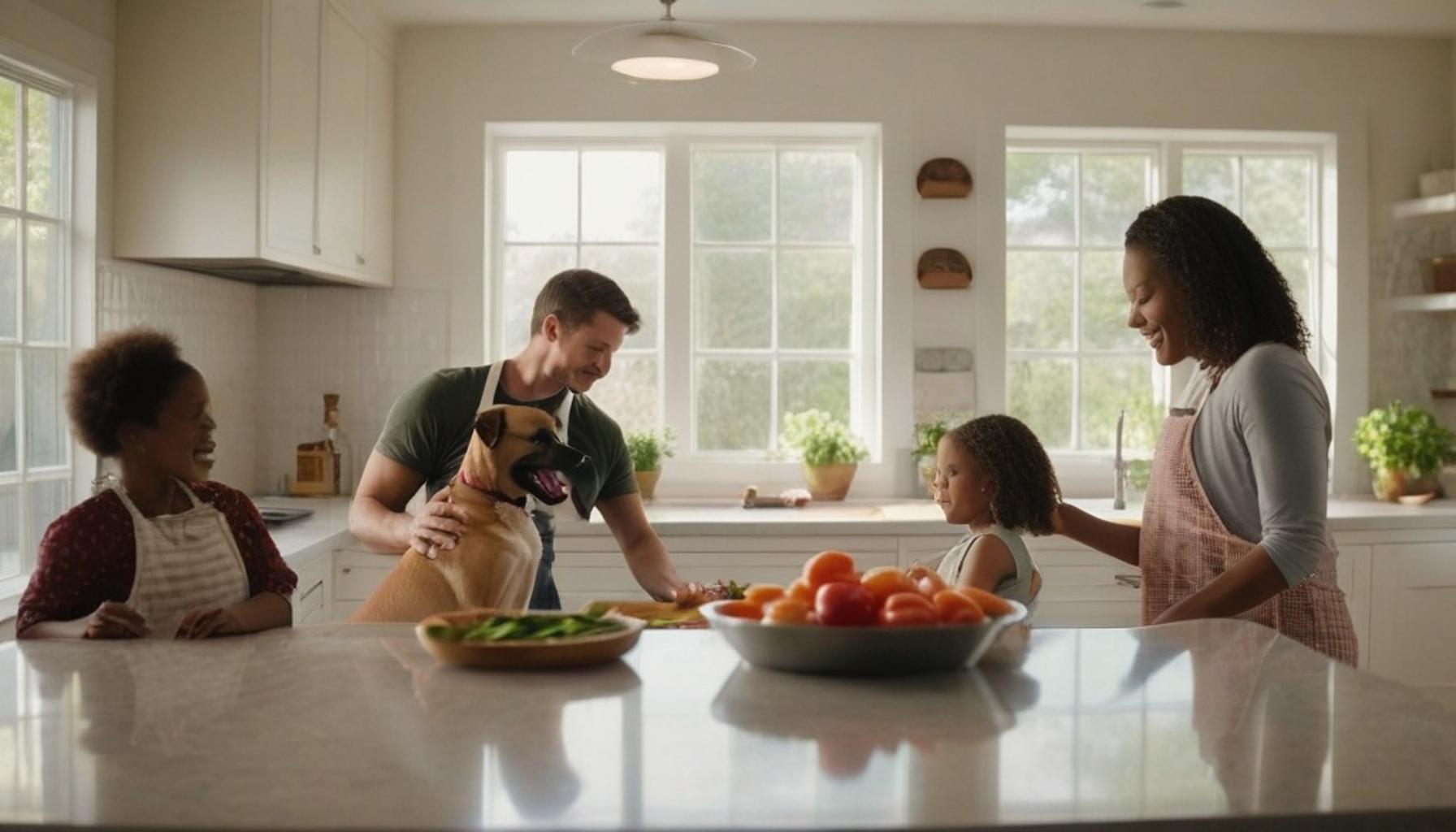
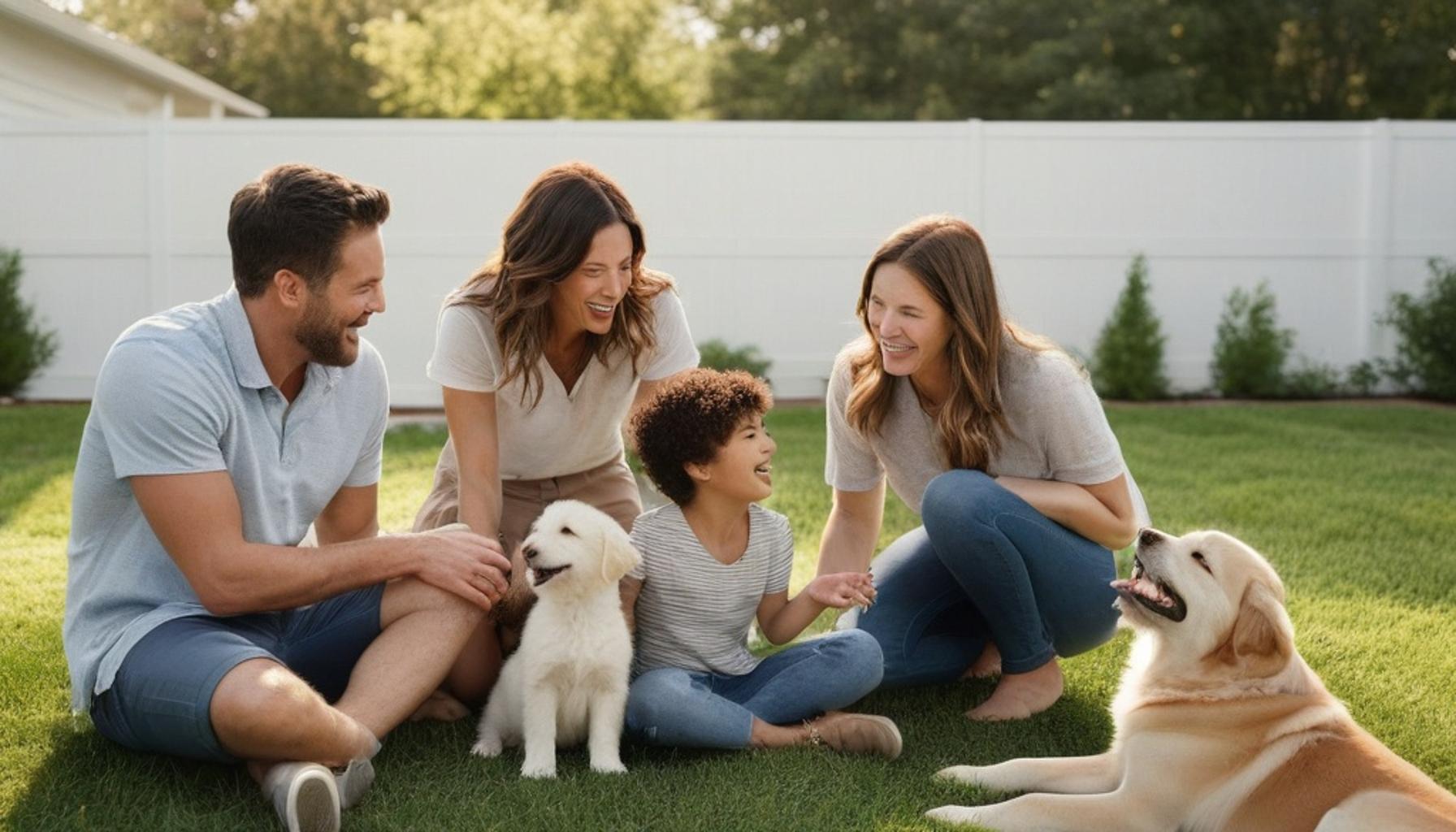
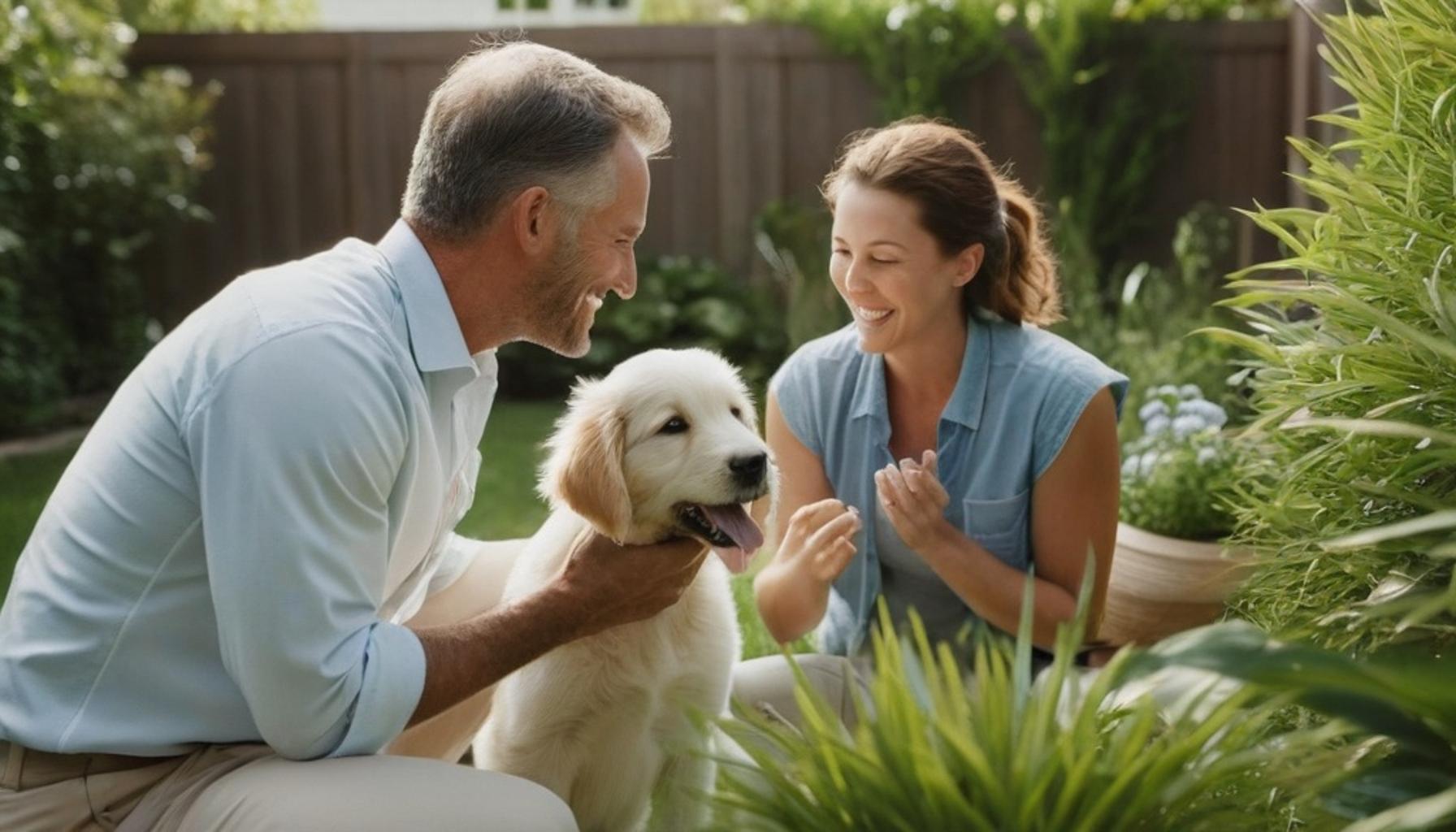
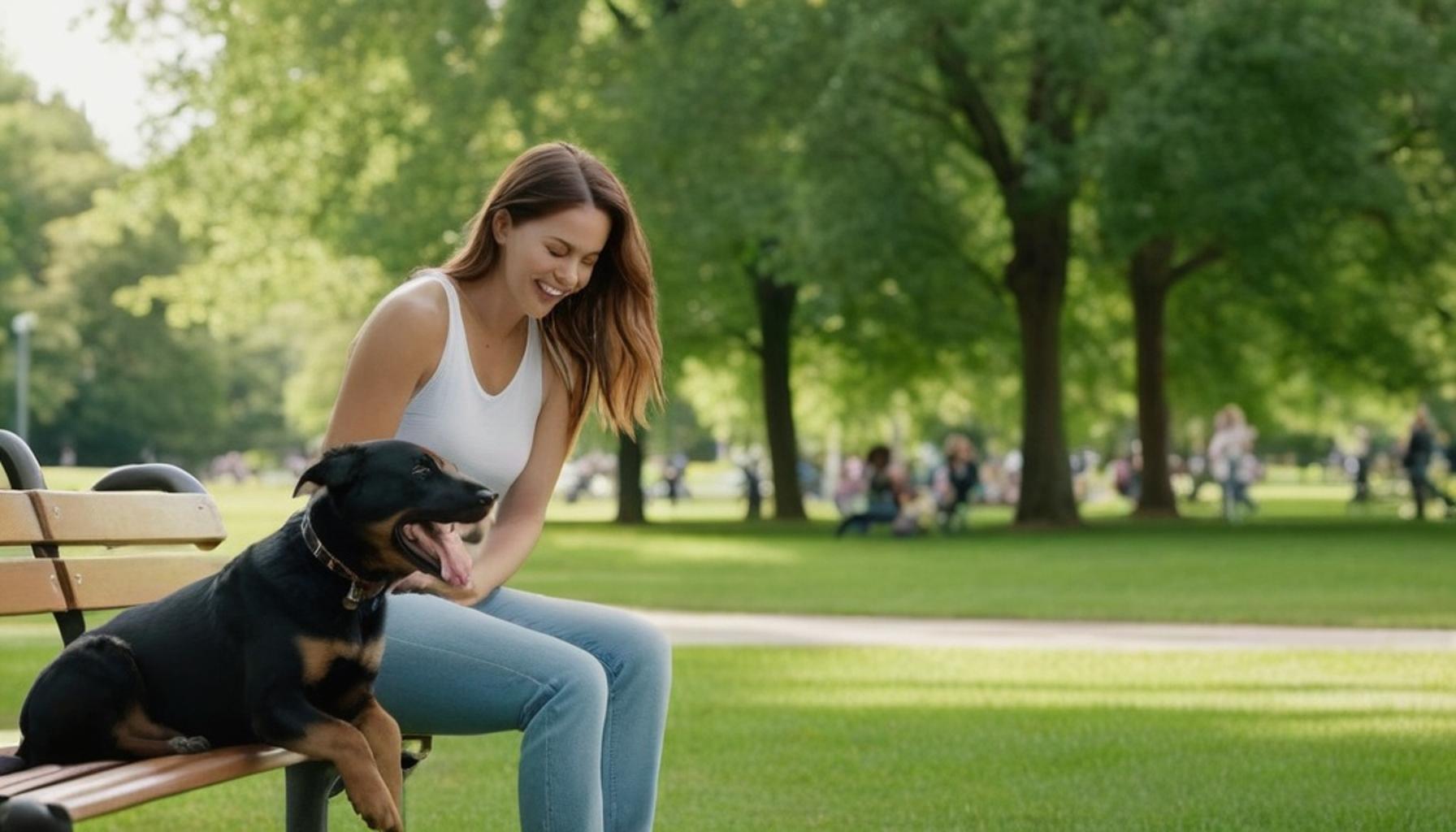
Bringing a new puppy or kitten into a Lagos apartment or an Abuja compound is exciting, but the real work begins after the excitement settles. Training Your New Companion requires more than food and shelter; it demands mental stimulation and social exposure from day one. Many pet owners across Nigeria focus heavily on feeding schedules and veterinary visits, yet overlook the psychological development that shapes a pet’s temperament for years to come.
Studies show that pets who receive structured enrichment activities within their first 16 weeks display fewer behavioral issues later in life. This makes early intervention critical for Nigerian pet owners navigating busy urban lifestyles, where long commutes on the Third Mainland Bridge or late nights at the office often leave little time for deliberate training. The window for shaping a calm, adaptable animal closes faster than most people realize, and missing it can mean years of correcting fear-based reactions.
Understanding the importance of socialization for pets can transform a nervous, reactive animal into a confident companion. A dog that panics at every okada horn or a cat that hides whenever visitors arrive is often signaling unmet developmental needs, not simply a “difficult” personality. Consider these foundational elements every new pet parent should prioritize:
- Exposure to different sounds, like market noise or generator hums
- Positive interactions with children, adults, and other animals
- Safe introduction to various textures, surfaces, and environments
- Consistent routines that build trust and predictability
Beyond socialization, pet enrichment techniques keep your companion mentally sharp and physically active. Puzzle feeders, scent trails, and interactive play sessions mimic natural behaviors that domestic pets often miss, especially in compact living spaces where roaming freedom is limited. A bored pet frequently becomes a destructive one, chewing furniture or barking excessively simply to release pent-up energy.
This article explores practical dog socialization tips and proven happy pet training methods tailored for Nigerian households. From puppy training for social skills to enrichment strategies for adult pets, we break down what actually works—backed by science, not guesswork. The goal is simple: raise pets that thrive alongside families, neighbors, and the vibrant chaos of everyday Nigerian life.
CHECK OUT: Responsible Adoption: How to Prepare Your Home for a New Pet
The Critical Window: Understanding Your Pet’s Developmental Timeline
Every animal behaviorist points to the same truth: Training Your New Companion effectively starts with timing, not tricks. Puppies and kittens experience what scientists call a “critical socialization period,” typically spanning three to fourteen weeks of age. During this narrow window, their brains are wired to absorb new experiences as normal rather than threatening.
Miss this period, and even the most patient owner faces an uphill battle. A puppy never exposed to motorcycles before twelve weeks may spend the rest of its life trembling at every okada that roars past a Lekki compound. This isn’t stubbornness or poor breeding—it’s neuroscience. Researchers studying canine development have consistently found that neural pathways responsible for fear response become far more rigid after this window closes, making rehabilitation possible but significantly slower and more resource-intensive than early prevention.
Why Nigerian Households Present Unique Challenges
Urban Nigerian environments offer a sensory overload unlike quieter suburban settings elsewhere. Generator noise, market chatter, extended family visits, and unpredictable power cuts create a soundscape that many imported training guides simply don’t address. A training manual written for a quiet neighborhood in Ontario or Surrey rarely accounts for the layered chaos of a Saturday morning in Ikeja, where hawkers, traffic, and household staff converge simultaneously.
This is precisely why generic advice often fails local pet owners. The importance of socialization for pets in Lagos differs from raising an animal in a rural compound in Enugu, where space is abundant but human traffic may be sparse. A puppy raised in Enugu might struggle with crowded urban outings, while a Lagos-raised kitten might panic at sudden silence or wide-open rural spaces it has never encountered.
Consider these environmental factors unique to many Nigerian homes:
- Frequent visitors and extended family gatherings requiring calm greetings
- Loud generator startups that can trigger fear responses if not introduced gradually
- Shared compounds with other pets, poultry, or livestock
- Domestic staff and gate men who become regular fixtures in a pet’s routine
Addressing these realities early prevents years of anxiety-driven behavior. A cat that associates generator sounds with treats and calm handling, rather than chaos, grows into a far more relaxed companion. Similarly, dogs introduced gradually to gate men and market runs tend to display less territorial aggression later in life.
Building Blocks Before Behavior Problems Start
Veterinary behaviorists estimate that up to 40% of surrendered pets in urban shelters display fear-based aggression or extreme shyness—traits directly linked to poor early socialization. This statistic alone should alarm anyone considering skipping structured introduction phases, particularly in cities where rehoming options remain limited and often stressful for the animal involved.
Puppy training for social skills isn’t about forcing interactions but rather controlled, positive exposure. A trembling kitten shouldn’t be thrown into a crowded family gathering; instead, brief, rewarding encounters build confidence incrementally, layer by layer, until the environment feels familiar rather than frightening.
The next sections break down specific, actionable methods—covering everything from puzzle toys to structured playdates—that transform overwhelming urban environments into manageable, even enjoyable, learning grounds for your new companion.
LEARN MORE: This related article may interest you
# Practical Enrichment Techniques That Fit the Nigerian Home
Mental stimulation matters just as much as physical exercise, yet many owners overlook this dimension entirely. Pet enrichment techniques don’t require expensive imported gadgets—they require creativity and consistency, two things Nigerian pet owners already apply in countless other areas of daily life.
A simple puzzle feeder made from a plastic bottle with holes cut into it can keep a bored dog occupied for twenty minutes while mimicking the foraging instincts hardwired into canine behavior. Cats respond similarly to hidden treats scattered inside cardboard boxes stacked at different heights, encouraging climbing and problem-solving simultaneously.
These low-cost solutions matter because boredom, not disobedience, drives much of the destructive chewing and excessive barking reported by frustrated owners. A study published by the Association for Pet Obesity Prevention found that under-stimulated dogs are significantly more likely to develop repetitive behaviors, including tail-chasing and excessive licking, both signs of unmet cognitive needs.
Everyday household items work surprisingly well once repurposed with intention. An old yoghurt container, a used carton from Shoprite, or even a discarded rubber slipper stuffed with kibble can become a genuine enrichment tool. Rotating these items every few days prevents pets from growing bored of the same puzzle, keeping curiosity alive without spending a single naira on imported products.
Owners living in compounds with shared outdoor space can also introduce scent trails, dragging a treat-scented cloth across the yard before allowing the dog to track it. This taps into the natural tracking instincts many breeds retain, offering a satisfying mental workout that tires the mind as effectively as a long walk tires the body.
Structured Playdates and Supervised Group Exposure
Beyond solo enrichment, structured social contact remains essential. Dog socialization tips from certified trainers consistently emphasize controlled group exposure over random, unsupervised encounters at busy parks or compounds.
Arranging a supervised playdate with a neighbor’s vaccinated dog, in a neutral space with room to retreat, teaches appropriate greeting behavior without overwhelming a nervous animal. Compare this to the common Lagos scenario where a new puppy is suddenly surrounded by multiple excited children and other pets at a naming ceremony—an approach far more likely to produce anxiety than confidence.
Consider incorporating these structured exposure steps:
- Introduce one new person or animal at a time, never a crowd all at once
- Keep initial sessions under ten minutes, gradually extending as confidence builds
- Always pair new experiences with treats, praise, or favorite toys
- Watch body language closely—flattened ears or tucked tails signal it’s time to pause
Trainers note that consistency across households produces the strongest results. If one family member allows boisterous greetings while another insists on calm behavior, the animal receives mixed signals that slow progress considerably. Aligning everyone in the home around the same socialization approach, whether dealing with visiting relatives during festive periods or unfamiliar delivery riders at the gate, produces far steadier outcomes than sporadic, inconsistent exposure.
Happy Pet Training Methods That Reward Rather Than Punish
Positive reinforcement continues outperforming punishment-based approaches in virtually every controlled behavioral study conducted over the past two decades. Happy pet training methods rely on rewarding desired behavior immediately, using treats, verbal praise, or affection, rather than correcting mistakes after the fact.
A puppy that receives a treat the instant it sits calmly during generator startup learns far faster than one scolded for barking afterward. Timing, more than intensity, determines whether a lesson sticks.
This approach also strengthens the bond between pet and owner, transforming training sessions from stressful corrections into anticipated bonding rituals that both parties genuinely enjoy.
Households navigating Nigeria’s unpredictable power situation often find generator noise a useful, if unintentional, training opportunity. Rewarding calm behavior during that jarring startup sound gradually reduces anxiety, teaching pets that loud, sudden noises need not trigger panic. Over weeks, many owners report their animals barely lifting their heads once the generator roars to life, a small but meaningful victory born entirely from patience and repetition rather than punishment.
Bringing It All Together for a Lifetime of Companionship
Training Your New Companion for a happy life was never meant to be a one-time project completed within the first few weeks of adoption. It is an ongoing conversation between owner and animal, one that evolves as puppies mature into adults and as households change with new babies, relocations, or shifting work schedules common across Nigerian cities.
The evidence throughout this discussion points to one consistent truth: the importance of socialization for pets cannot be separated from mental enrichment. A dog that meets new people calmly but sits bored all day will still develop anxiety-driven habits. Both elements must work together, reinforcing each other daily.
Owners who commit to puppy training for social skills early, using homemade puzzle feeders, scent trails, and carefully staged introductions, tend to raise calmer, more adaptable animals capable of handling Nigeria’s unpredictable daily rhythms, from generator noise to crowded compounds during festive seasons.
A few closing principles worth remembering:
- Consistency across every family member matters more than any single training technique
- Low-cost household items can rival expensive imported enrichment tools
- Positive reinforcement builds trust faster than correction ever will
- Progress often arrives quietly, noticed only in retrospect after weeks of patience
Perhaps the most encouraging takeaway is that none of this demands significant financial investment. It demands attentiveness, patience, and a willingness to see the world briefly through a curious, occasionally anxious animal’s eyes. Owners who embrace that perspective usually discover something unexpected: the training process reshapes not just their pet’s behavior, but their own daily habits and patience as well.

Beatriz
Beatriz Johnson is a seasoned pet care expert and writer with a passion for simplifying the complexities of pet ownership and animal well-being. With over a decade of experience in the field, she specializes in topics like pet nutrition, training techniques, and health care. Through her work on our website, Beatriz empowers pet owners to make informed decisions and provide the best possible care for their furry friends, ensuring happy and healthy lives for their beloved companions.