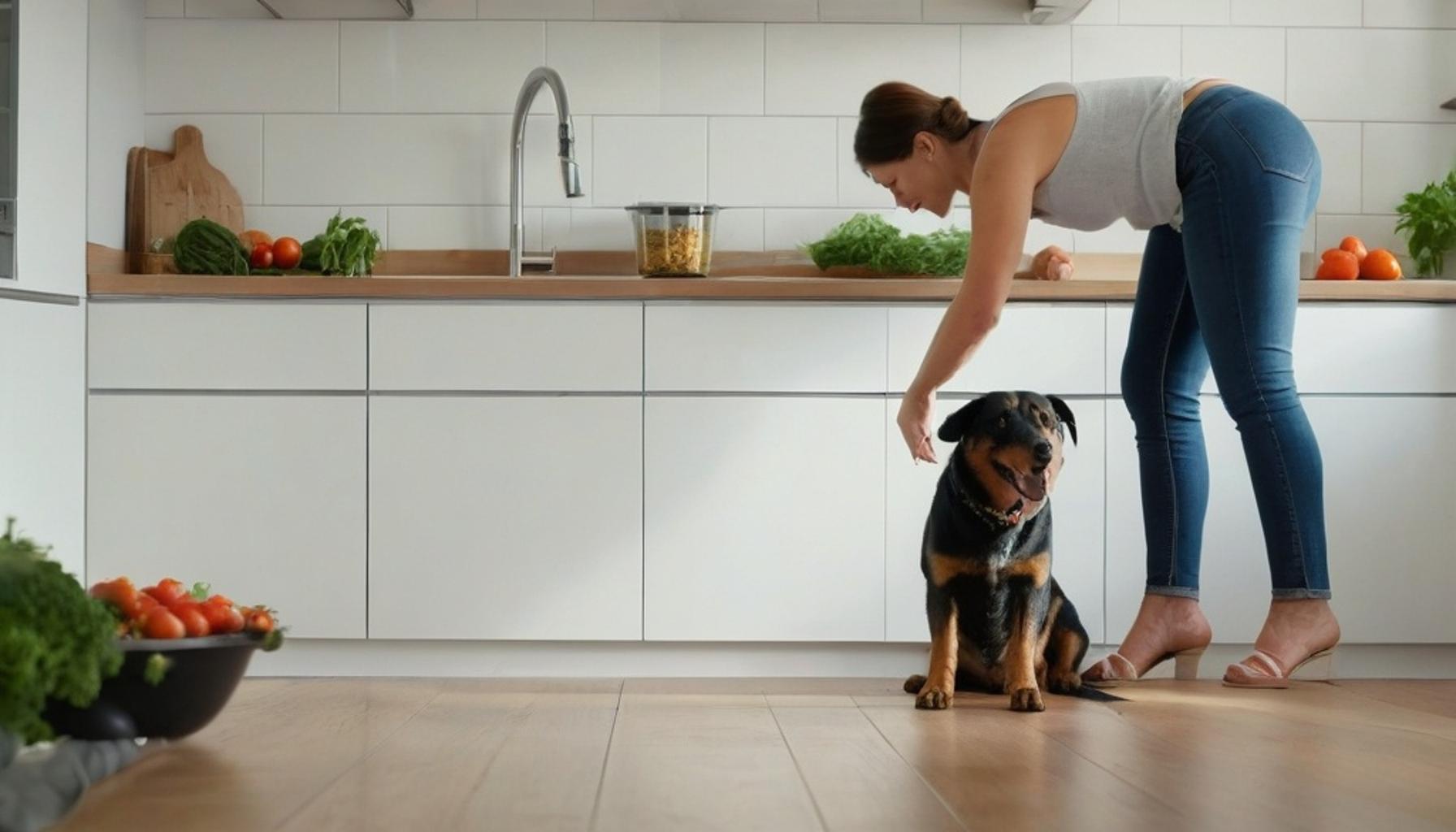
Puppy Feeding Tips: Ensuring a Healthy Start for Your New Companion
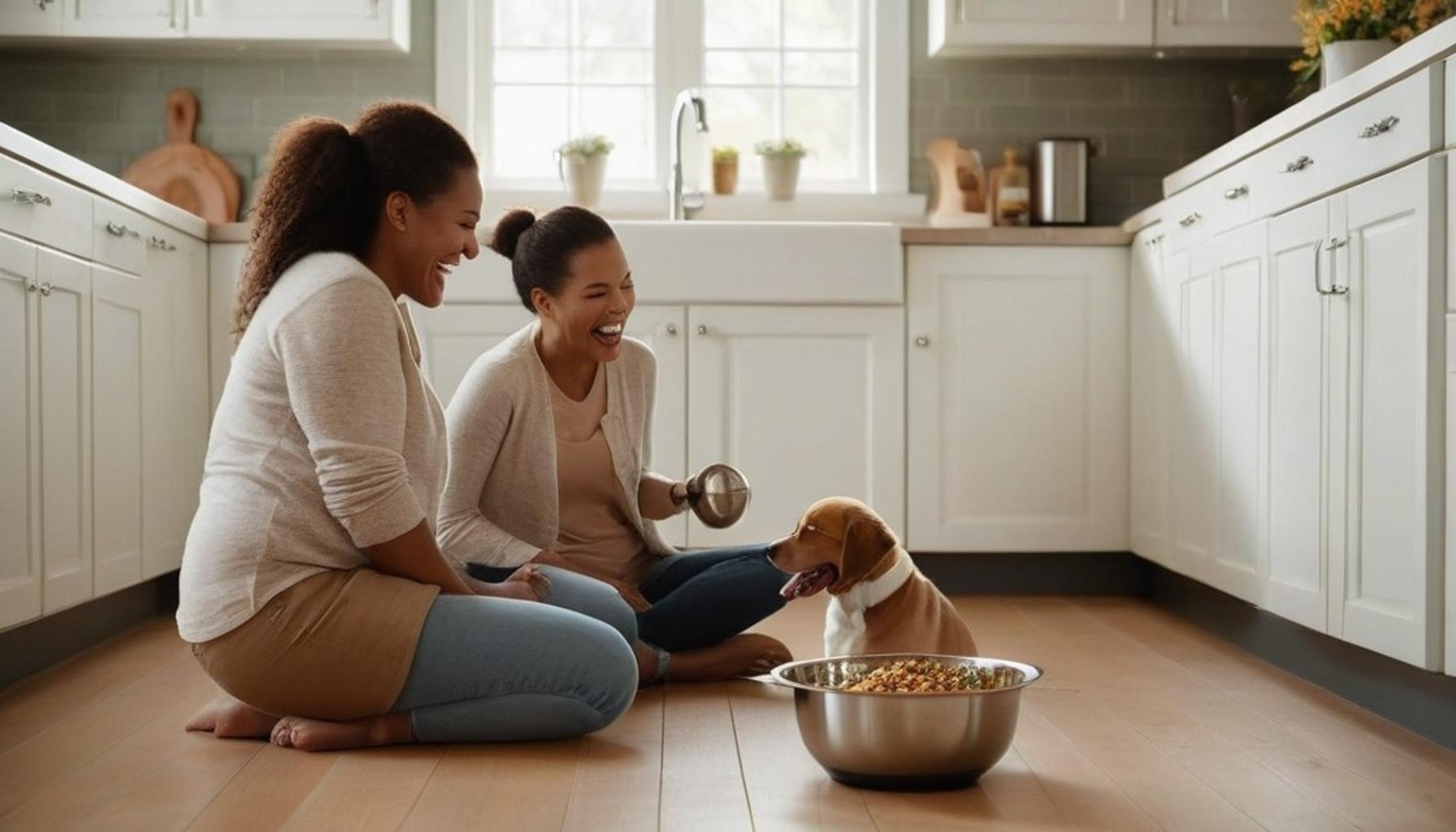
Why Your Puppy’s First Meals Matter More Than You Think
That wobbly-legged puppy you just brought home from the market in Lagos or a breeder in Abuja is going through one of the most critical growth phases of its life. What you feed a puppy in its first 12 months shapes its bones, brain, and immune system for years to come. Get it wrong, and you could be setting up costly vet bills down the road.
Across Nigeria, pet parenting is booming, yet many new dog owners still feed puppies leftover rice, bones, or adult dog food out of convenience. This is where solid puppy feeding tips become essential, not optional.
Consider this: a puppy’s skeletal frame, muscle tissue, and neurological pathways are all developing at a pace that will never be repeated in its lifetime. Veterinarians across Nigeria increasingly report cases of stunted growth, weak joints, and poor coat condition in puppies raised on inconsistent or unbalanced diets. Many owners assume that because a puppy is small, it needs small amounts of food. In reality, the opposite is often true. Puppies require dense, high-quality nutrition packed into smaller meals throughout the day, something that leftover jollof rice or plain garri simply cannot provide.
There is also a cultural dimension to this problem. In many Nigerian households, dogs have traditionally been treated as guard animals rather than family companions, and their diets reflected that mindset, table scraps, bones, and whatever was available. As more Nigerians embrace dogs as pets and even members of the family, feeding practices need to catch up with this shift in attitude.
What This Guide Will Cover
Feeding a puppy correctly involves more than just filling a bowl. It requires understanding timing, portions, and nutrient balance, along with an awareness of how local conditions, climate, and food availability in Nigeria affect what works best for your puppy.
- A practical feeding schedule for puppies based on age and breed size
- How to choose the best puppy food in Nigeria, whether commercial or local
- Simple homemade puppy food recipes using accessible Nigerian ingredients
- Step-by-step advice for transitioning puppy food without triggering stomach upsets
- Core puppy nutrition guidelines every first-time owner should know
Did you know a growing puppy may need up to twice the calories per kilogram compared to an adult dog? That single fact alone explains why so many puppies fall ill or grow poorly. Multiply that calorie demand by the wrong food choices, irregular feeding times, or sudden diet changes, and you have a recipe for digestive distress, malnutrition, or worse.
Whether you are raising a local Nigerian breed known for its hardiness or an imported breed like a German Shepherd or Rottweiler that requires more specialized care, the fundamentals of good nutrition remain non-negotiable. Ready to give your new companion the healthiest possible start? Let’s break down exactly what, when, and how to feed your puppy.
RECOMMENDED: Natural Feeding for Pets: Benefits and Recommendations for a Healthy Lifestyle
Building a Feeding Schedule for Puppies That Actually Works
One of the most common questions new dog owners in Nigeria ask is simple: how often should a puppy eat? The answer changes dramatically depending on age, and getting the timing right is one of the most important puppy feeding tips any first-time owner can learn.
A puppy’s stomach is small, but its energy needs are massive. Feeding too little, too rarely, causes blood sugar crashes, lethargy, and poor growth. Feeding too much at once leads to bloating, vomiting, or diarrhea, a frequent complaint among puppy owners who switch from controlled portions to free feeding too early.
Recommended Feeding Frequency by Age
- 6 to 12 weeks old: Four meals per day, spaced evenly, roughly every four to five hours
- 3 to 6 months old: Three meals per day as the stomach capacity increases
- 6 to 12 months old: Two meals per day, transitioning toward adult feeding patterns
- Beyond 12 months: Most breeds shift to one or two meals daily, depending on size and activity level
Large breeds such as Boerboels or Rottweilers, both popular among Nigerian households for security purposes, often need to stay on puppy portions slightly longer than smaller breeds like the Nigerian local dog or Lhasa Apso, since their skeletal development continues well past six months. This extended growth window means owners of larger breeds should resist the temptation to rush the transition to fewer meals, even when the puppy appears large enough to handle adult portions.
Breeders across Lagos and Abuja have observed that puppies rushed onto adult feeding schedules too early often display irregular growth patterns, including joint stiffness and uneven weight distribution. This is particularly relevant for guard dog breeds, where structural soundness directly affects their working ability later in life.
Why Consistency Matters More Than Nigerians Realize
Heat plays a bigger role in puppy digestion than most owners assume. In warmer regions like Kano or Port Harcourt, puppies may naturally eat less during the hottest parts of the day and show more appetite in the early morning or evening. Adjusting meal timing around climate, rather than forcing a rigid schedule, often produces better results.
Feeding at inconsistent times, sometimes morning, sometimes afternoon, sends confusing signals to a puppy’s digestive system. Veterinarians note that irregular feeding patterns are among the leading causes of preventable stomach upset in Nigerian households, right alongside sudden food changes. A puppy’s gut bacteria thrive on routine, and disrupting that routine repeatedly can weaken digestion over time, making the animal more susceptible to parasites and infections common in tropical climates.
A practical approach many Nigerian breeders now recommend is anchoring meals to fixed daily routines, such as right after the household wakes up or just before children leave for school. This creates predictability, which puppies respond to with better appetite and calmer digestion. Some households in Ibadan have found success linking feeding times to existing family rituals, such as morning prayers or evening news broadcasts, turning meal consistency into something almost automatic rather than something requiring constant reminders.
Water access deserves equal attention. Fresh, clean water should be available at all times, especially in Nigeria’s hotter states, where dehydration can happen quickly and compound digestive issues triggered by an inconsistent feeding schedule for puppies. Owners should check water bowls multiple times daily, particularly during the dry season when evaporation and heat can deplete supply faster than expected.
Ultimately, building a workable feeding schedule requires patience, observation, and a willingness to adjust based on the puppy’s individual signals rather than rigid textbook timing. Nigerian pet owners who pay close attention to appetite cues, climate patterns, and breed-specific growth needs tend to raise healthier, more energetic dogs capable of thriving well into adulthood.

Essential Puppy Feeding Tips at a Glance
Before diving deeper into puppy feeding tips, this quick-reference table breaks down the core elements every new pet owner should master. From establishing a proper feeding schedule for puppies to selecting the best puppy food in Nigeria, these fundamentals shape your puppy’s long-term health.
| Category | Key Details |
|---|---|
| Feeding Frequency | 4 meals daily for puppies under 3 months, tapering to 2 by 12 months |
| Nutrition Priorities | High protein, DHA for brain development, per puppy nutrition guidelines |
| Food Transition | Gradual 7-day blend when transitioning puppy food to avoid digestive upset |
| Homemade Options | Vet-approved homemade puppy food recipes using chicken, rice, and vegetables |
Each of these factors plays a distinct role in your puppy’s growth trajectory. Missing even one—like rushing a food transition—can trigger diarrhea or nutrient deficiencies that affect development for weeks.
YOU MAY ALSO LIKE: The Benefits of Natural Feeding for the Health and Well-Being of Pets
# Choosing the Right Food and Navigating the Homemade vs. Commercial Debate
Walk into any pet store in Victoria Island or a local feed shop in Kaduna, and the sheer number of dog food options can overwhelm even experienced owners. Selecting the best puppy food in Nigeria isn’t just about brand recognition; it’s about matching nutritional content to a puppy’s specific growth stage and breed requirements. Shelves stocked with colorful packaging often mislead first-time owners into believing price equals quality, when the opposite sometimes proves true.
Commercial puppy formulas sold in Nigeria vary widely in quality. Some imported brands stocked in supermarkets across Lagos carry proper certification and balanced nutrient ratios, while cheaper alternatives sometimes lack sufficient protein or contain excessive fillers. Reading the guaranteed analysis label matters more than following flashy packaging claims. Owners who skip this step often discover, months later, that their puppy’s growth has stalled or their coat has turned dull and brittle.
What to Look for in Commercial Puppy Food
- Protein content: At least 22 to 32 percent, sourced from real meat rather than generic “meat byproducts”
- Fat levels: Between 8 and 20 percent to support energy without triggering obesity
- DHA presence: Critical for brain and eye development in puppies under six months
- Calcium-to-phosphorus ratio: Particularly important for large breeds prone to skeletal issues
Many Nigerian households, however, are turning toward homemade puppy food recipes as commercial prices climb alongside currency fluctuations. This isn’t necessarily a compromise. Locally sourced ingredients like boiled chicken, liver, rice, and vegetables such as ugu or pumpkin leaves can form the base of a nutritious meal when properly balanced. Many Nigerian markets already sell these staples affordably, making homemade feeding an economically sound choice for households managing multiple dogs.
A simple homemade formula gaining popularity involves combining boiled chicken or fish, cooked rice or yam, and a small portion of vegetables, finished with a teaspoon of palm oil for essential fatty acids. This approach works well for medium and large breeds but requires supplementation, since homemade meals frequently lack adequate calcium and specific vitamins found in commercial formulas. Fish, particularly mackerel or titus, adds omega-3 fatty acids that support joint health, though bones must always be removed before serving.
Veterinarians in Abuja often recommend adding eggshell powder or a calcium supplement to homemade meals, particularly for growing puppies under six months. Without this addition, bone density issues can develop silently, only becoming apparent months later through limping or reluctance to climb stairs. Some clinics now offer affordable supplement packs specifically designed for owners preparing meals at home.
Following Sound Puppy Nutrition Guidelines
Regardless of whether owners choose commercial or homemade options, certain puppy nutrition guidelines remain non-negotiable. Puppies need higher protein and fat percentages than adult dogs because their bodies are simultaneously building muscle, bone, and organ tissue. Skipping this requirement during early development can lead to permanent growth deficiencies that no amount of later correction can fully reverse.
Avoid feeding puppies foods common in Nigerian kitchens that pose hidden dangers, including onions, garlic, excessive salt, and seasoning cubes like Maggi, which contain sodium levels far too high for a puppy’s developing kidneys. Chocolate, though less commonly available, remains highly toxic and should never be offered, even in small amounts. Even leftover stew, seasoned heavily for human palates, can quietly harm a puppy’s digestive system over time.
Blending Both Worlds for Better Results
Some breeders in Enugu have reported success mixing commercial kibble with small amounts of home-cooked protein, creating a hybrid approach that stretches budgets while maintaining nutritional balance. This method also introduces variety, which can prevent picky eating habits from developing later. It allows owners flexibility during months when imported kibble becomes scarce or expensive due to import restrictions.
Whatever path owners choose, consistency in ingredient quality matters more than brand loyalty. A puppy fed varying, nutrient-dense meals daily typically shows better coat condition, steadier energy, and fewer digestive complaints than one fed inconsistently, regardless of whether the food comes from a factory or a home kitchen. Ultimately, informed decision-making, rather than habit or convenience, determines whether a puppy grows into a healthy, thriving adult dog.
RECOMMENDED: How Nutrition Affects Pets’ Behavior and Well-Being
Raising a Healthy Puppy: Final Thoughts
Every decision made during a puppy’s first year, from the timing of meals to the source of protein on its plate, quietly shapes the dog it will become. These puppy feeding tips aren’t abstract suggestions; they represent the difference between a companion that thrives and one that battles preventable health issues later in life. Nigerian pet owners, whether in bustling Lagos apartments or spacious Jos compounds, face unique challenges, but the fundamentals remain constant everywhere.
A reliable feeding schedule for puppies builds discipline and predictable digestion, while thoughtful food choices, whether commercial or homemade, supply the building blocks for strong bones, sharp minds, and resilient immune systems. Following sound puppy nutrition guidelines means resisting the temptation to feed table scraps out of affection, even when those pleading eyes make it difficult to refuse.
Owners considering homemade puppy food recipes should remember that balance, not just fresh ingredients, determines success. Pairing local staples with proper supplementation closes nutritional gaps that could otherwise cause long-term harm. Similarly, anyone transitioning puppy food from one brand or type to another must proceed gradually, giving digestive systems time to adjust without unnecessary distress.
- Feed age-appropriate portions on a consistent schedule
- Choose quality protein sources, whether commercial or homemade
- Introduce new foods gradually and monitor reactions closely
- Consult a veterinarian before making major dietary changes
Puppyhood passes quickly, but its nutritional foundation lasts a lifetime. Owners who invest attention and care into these early months often find themselves rewarded with fewer vet visits, steadier temperaments, and a companion capable of matching their energy for years ahead. The effort invested now becomes the health enjoyed later.
Frequently Asked Questions
How many times a day should I feed my puppy in Nigeria’s hot climate?
Puppies under 6 months should be fed 3 to 4 times daily since their small stomachs cannot handle large meals at once. In Nigeria’s heat, feed early morning and evening when temperatures are cooler to keep food fresh and encourage better appetite. Always provide clean, cool water alongside meals, especially during the dry season.
Can I feed my puppy local foods like garri, rice, or beans instead of commercial dog food?
Plain boiled rice and well-cooked beans can be given occasionally as they offer carbs and protein, but garri lacks the nutrients puppies need for proper growth. Commercial puppy food or a mix with boiled chicken, eggs, and rice is safer for balanced nutrition. Avoid heavily spiced or salted local dishes, as these can upset your puppy’s stomach.
What are the signs that my puppy’s feeding schedule needs to change?
Watch for signs like your puppy leaving food untouched, vomiting after meals, or seeming unusually hungry between feedings, which suggest portion or timing adjustments are needed. Weight loss or a bloated belly can also indicate the current schedule isn’t working for their growth stage. Consult a veterinarian in your area if these signs persist for more than a few days.
Is it safe to feed my puppy bones from suya or chicken leftovers common in Nigerian households?
No, cooked bones from suya or chicken can splinter and cause choking or serious internal injuries in puppies, so they should be avoided entirely. Spicy suya seasoning is also too harsh for a puppy’s sensitive digestive system. Instead, offer raw, vet-approved bones or specially made dog chews as safer alternatives.
How do I choose affordable but nutritious puppy food available in Nigerian pet stores?
Look for puppy food brands sold in Nigerian pet shops that list real meat, chicken, or fish as the first ingredient rather than fillers like corn or wheat. Brands available locally such as Pedigree Puppy or Bolt often offer a good balance of affordability and nutrition. You can also supplement with homemade boiled eggs, chicken, and vegetables to stretch your budget while keeping meals healthy.
At what age should I switch my puppy from milk to solid puppy food?
Puppies typically begin weaning off their mother’s milk around 3 to 4 weeks old and should be fully transitioned to solid puppy food by 6 to 8 weeks. Introduce softened puppy kibble or a milk-food mixture gradually to ease digestion during this shift. If you’re caring for an orphaned puppy, use a vet-recommended puppy milk replacer rather than cow’s milk, which can cause diarrhea.

Beatriz
Beatriz Johnson is a seasoned pet care expert and writer with a passion for simplifying the complexities of pet ownership and animal well-being. With over a decade of experience in the field, she specializes in topics like pet nutrition, training techniques, and health care. Through her work on our website, Beatriz empowers pet owners to make informed decisions and provide the best possible care for their furry friends, ensuring happy and healthy lives for their beloved companions.