
Health and Well-Being: Veterinary Care Tips for Adopted Animals
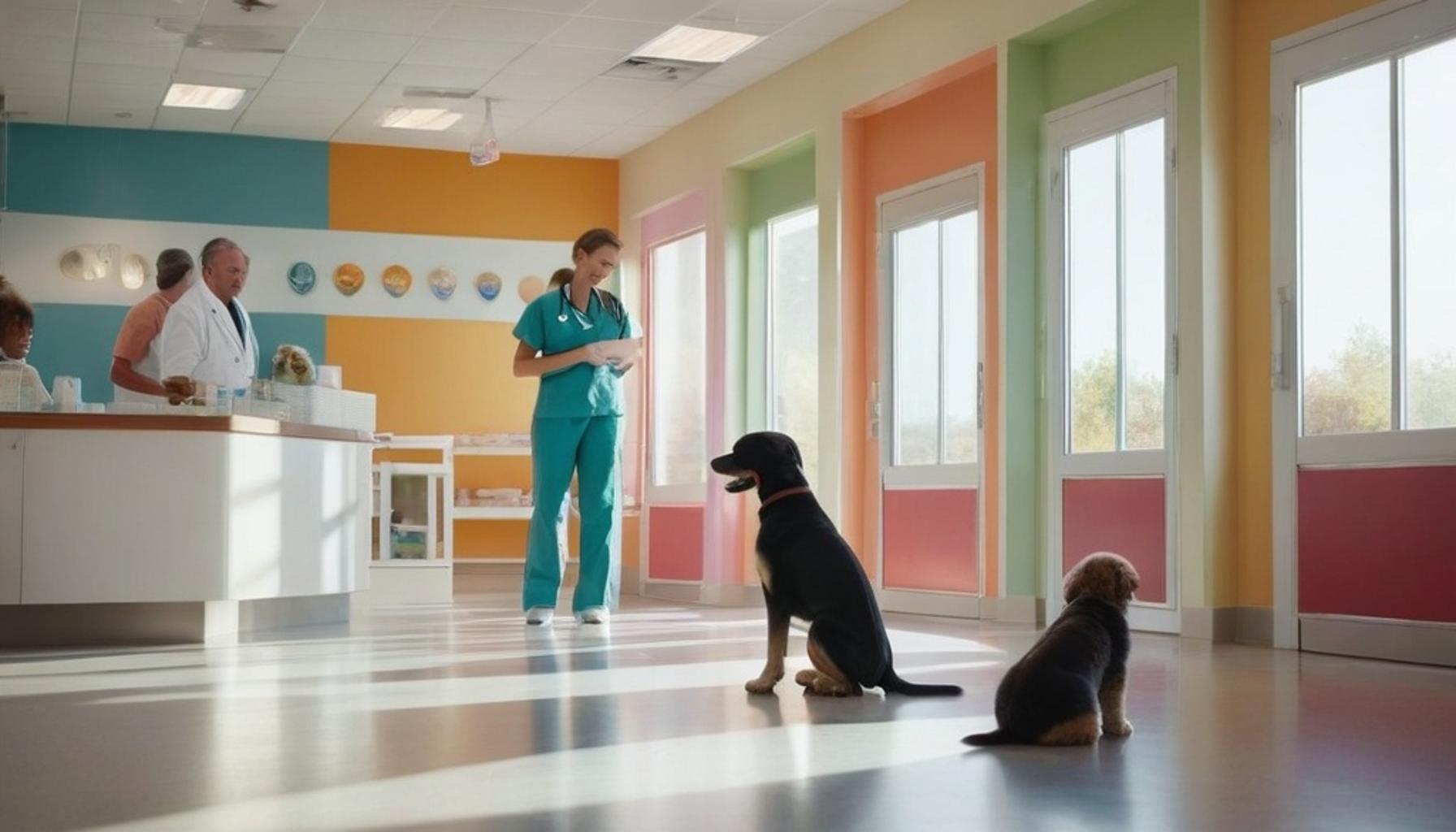
Welcome Home: What Every New Pet Parent in Nigeria Should Know
That wagging tail or curious meow at your doorstep marks the start of a beautiful journey. Adopting a pet in Nigeria has surged in popularity, with shelters in Lagos, Abuja, and Port Harcourt reporting increased adoption rates yearly. Yet beneath the excitement lies a responsibility many new owners underestimate.
Why Rescued Animals Need Special Attention
Unlike pets raised from birth in a stable home, rescued animals often carry hidden histories. Malnutrition, untreated infections, and emotional trauma are common among strays and shelter animals. This is where veterinary care for rescued animals becomes non-negotiable, not optional.
Consider these startling realities many adopters face:
- Up to 70% of stray animals in Nigerian cities carry parasites or untreated skin conditions
- Vaccination gaps leave adopted pets vulnerable to rabies and parvovirus
- Behavioral issues often stem from past neglect or abuse
Many first-time adopters walk into this journey unaware of how deep these challenges run. A dog rescued from the streets of Ikorodu or a cat found abandoned near a market in Enugu may look healthy on the surface, yet carry internal parasites, skin mites, or even undiagnosed heartworm. Without proper screening, these conditions can escalate quickly, turning what should be a joyful homecoming into an emergency veterinary visit within weeks.
Trauma is another layer often overlooked. Animals that have experienced abandonment, abuse, or prolonged hunger frequently display anxiety, aggression, or excessive timidity. Recognizing these behavioral cues early, rather than punishing them, can make the difference between a pet that thrives and one that struggles to adjust for years.
The Roadmap Ahead
This article breaks down essential pet health tips for adopted pets, guiding you through the critical first weeks and beyond. From choosing the right veterinarian to understanding vaccination schedules, we cover it all.
We’ll also explore best practices for adopted animal care that experienced Nigerian pet owners swear by. Because true adoption and pet well-being goes far beyond a warm bed and regular meals—it starts with informed, proactive healthcare decisions.
Beyond medical checkups, nutrition plays a pivotal role in recovery. Many rescued animals arrive severely underweight, requiring carefully staged feeding plans rather than sudden overfeeding, which can cause digestive complications. Local vets across Nigeria increasingly recommend gradual dietary transitions paired with regular deworming schedules during the first month.
As more Nigerian families open their homes to rescued animals, understanding these realities becomes crucial. The following sections will walk you through practical steps, expert-backed advice, and real experiences from adopters across the country, equipping you with the knowledge needed to give your new companion the healthy, loving start they deserve.
LEARN MORE: Responsible Adoption: How to Prepare Your Home for a New Pet
The First 48 Hours: Setting the Foundation for Lifelong Health
The moment you bring your rescued companion home, a critical window opens. What happens in these first two days often shapes the trajectory of your pet’s physical and emotional recovery. Veterinarians across Lagos and Kano consistently emphasize that Veterinary Care Tips for Adopted Animals must begin immediately, not weeks after settling in.
Many new pet owners assume that a few days of rest before a clinic visit won’t matter much. This assumption, however, can be costly. Animals coming from shelters, motor parks, or roadside rescues in cities like Port Harcourt and Abuja often carry hidden stressors that worsen quickly without early intervention. A delay of even a week can turn a manageable infection into a chronic condition requiring expensive, prolonged treatment.
Scheduling That Crucial First Vet Visit
Before your new pet even sniffs its new surroundings, book a comprehensive veterinary examination. This isn’t just a formality; it’s a diagnostic necessity.
A thorough first checkup typically uncovers issues invisible to the untrained eye. Veterinarians in Ibadan and Benin City report that nearly half of adopted animals arrive with at least one undetected health concern, ranging from ear infections to dental disease caused by prolonged neglect.
During this visit, expect your vet to conduct:
- A full physical examination, including weight, temperature, and coat assessment
- Blood tests to screen for heartworm, tick-borne diseases, and anemia
- Fecal analysis to detect intestinal parasites common in stray populations
- A dental inspection, since poor nutrition often damages teeth and gums early
This initial assessment forms the backbone of veterinary care for rescued animals, giving you a clear health baseline rather than guesswork. Without it, owners often mistake early warning signs, like lethargy or reduced appetite, for simple nervousness rather than symptoms of an underlying illness. Vets in Enugu note that pets who receive this baseline checkup within the first two days recover from stress-related conditions noticeably faster than those examined later.
It also helps to bring along any documentation the shelter or previous caretaker provided, even if incomplete. Fragmented records still give veterinarians useful clues about prior treatment, feeding habits, or behavioral history that can guide their approach.
Vaccination: Closing the Immunity Gap
Nigerian shelters frequently lack resources for complete vaccination protocols. This means many adopted pets arrive only partially protected, or not protected at all.
Rabies remains a significant public health concern in Nigeria, with the Nigeria Centre for Disease Control repeatedly flagging inconsistent pet vaccination coverage as a contributing risk factor. For anyone serious about adopting a pet in Nigeria, catching up on core vaccines within the first week isn’t optional caution; it’s a legal and moral responsibility.
Core vaccines your veterinarian will likely recommend include protection against rabies, parvovirus, distemper, and feline panleukopenia for cats. Kittens and puppies may require a series of boosters spaced three to four weeks apart, so patience during this phase pays off significantly.
Beyond the vaccines themselves, owners should ask their veterinarian for a written immunization schedule. This document becomes invaluable later, whether for travel, boarding, or simply tracking future booster dates. Skipping this step often leads to confusion months down the line, especially when switching veterinary clinics.
These early medical steps, though sometimes costly, prevent far greater expenses and heartbreak down the line. They represent the practical starting point for anyone committed to genuine adoption and pet well-being rather than surface-level care. In a country where stray populations remain high and public awareness around pet health is still growing, these first 48 hours quietly determine whether your new companion thrives or merely survives.
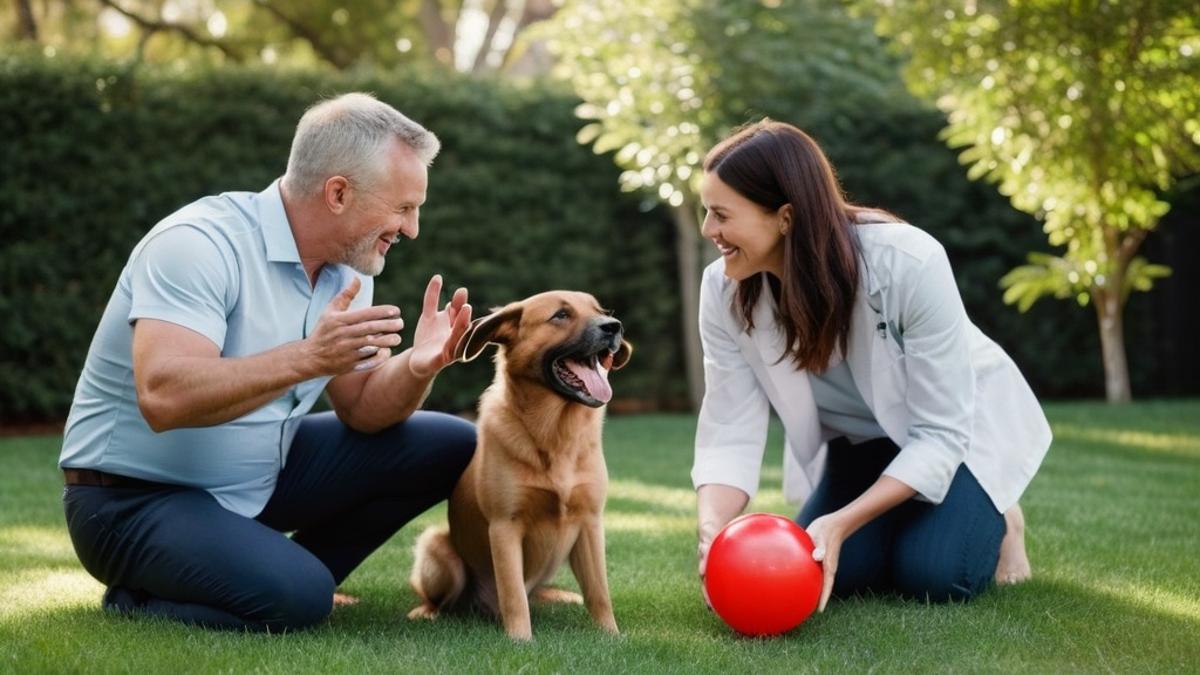
Essential Veterinary Care Tips for Adopted Animals: A Quick-Reference Guide
Understanding veterinary care for rescued animals starts with knowing which health checkpoints matter most. Below is a concise breakdown of critical categories every new pet owner should prioritize when adopting a pet in Nigeria or anywhere else.
Key Health Categories for Newly Adopted Pets
| Category | Veterinary Focus & Benefit |
|---|---|
| Vaccination Schedule | Prevents deadly diseases like rabies and parvovirus in rescued animals |
| Parasite Control | Eliminates fleas, ticks, and worms common in shelter environments |
| Nutrition Plan | Restores healthy weight and supports immune recovery |
| Behavioral Assessment | Identifies stress or trauma affecting adaptation and well-being |
| Spay/Neuter Status | Reduces health risks and supports long-term population control |
These pet health tips for adopted pets form the foundation of responsible ownership, but there is much more to explore regarding long-term wellness strategies.
YOU MAY ALSO LIKE: Enrichment and Socialization: Training Your New Companion for a Happy Life
Nutrition, Parasite Control, and the Hidden Costs of Neglect
Once the vaccination schedule is underway, attention must shift toward something equally vital yet frequently underestimated: nutrition and parasite management. These two factors quietly determine whether a rescued animal transitions into robust health or remains trapped in a cycle of recurring illness.Many adopted pets arrive with digestive systems accustomed to inconsistent, often inadequate feeding.
Switching abruptly to commercial pet food, however premium, can trigger vomiting or diarrhea. Veterinarians in Lagos recommend a gradual transition over seven to ten days, mixing small portions of new food with whatever the animal was previously eating, if known. This slow approach allows gut bacteria to adjust naturally, reducing the shock that often sends nervous new owners rushing back to the clinic within the first week.
Building a Nutrition Plan That Actually Works
Generic feeding advice rarely accounts for Nigeria’s climate and locally available resources. A dog rescued from the streets of Kaduna, for instance, has different caloric needs than a cat adopted from an urban shelter in Lagos. Regional temperature swings, activity levels, and even the type of food previously scavenged all influence how quickly an animal should be reintroduced to structured meals.
Pet health tips for adopted pets should always include a consultation about breed, age, and activity level before settling on a diet. Consider these factors when structuring meals:
- Underweight animals often require calorie-dense food introduced slowly to avoid overwhelming a compromised digestive tract
- Senior pets may need joint-supporting supplements, particularly glucosamine, given the physical toll of prior neglect
- Fresh water availability matters more in Nigeria’s hotter regions, where dehydration accelerates kidney stress
- Locally sourced proteins such as fish or poultry can supplement commercial diets affordably, provided portions remain balanced
Cutting corners on nutrition rarely saves money in the long run. Malnourished animals frequently develop coat problems, weakened immune responses, and slower wound healing, all of which translate into higher veterinary bills later. Some Abuja-based veterinary nutritionists have noted that owners who invest in proper feeding within the first month save significantly on treatment costs within the first year of ownership.
Parasite Control: An Ongoing Battle, Not a One-Time Fix
Ticks, fleas, and intestinal worms remain persistent threats across Nigerian households, particularly in humid states like Rivers and Cross River. Unlike vaccinations, parasite control demands continuous vigilance rather than a single treatment. The tropical climate creates near-perfect breeding conditions for these organisms year-round, meaning complacency rarely goes unpunished.
Veterinary clinics in Abuja report that adopted animals treated only once for parasites often show reinfestation within weeks, especially if they interact with other strays or spend time outdoors. This pattern highlights why best practices for adopted animal care emphasize monthly preventive treatments rather than reactive measures taken only when symptoms appear.
Ask your veterinarian about broad-spectrum preventives that address multiple parasites simultaneously. These typically come as topical applications, oral tablets, or injectable formulations, each with different cost implications worth discussing upfront. Some rural clinics in Kano and Sokoto have begun offering subsidized parasite packages, recognizing how heavily this expense weighs on adopters with limited budgets.
Why Environmental Hygiene Cannot Be Ignored
Environmental hygiene plays a supporting role too. Regularly washing bedding, vacuuming living spaces, and treating outdoor areas reduces reinfestation risk significantly. Owners who skip this step often find themselves repeating treatments unnecessarily, draining both patience and finances. In compounds where multiple pets or livestock coexist, cross-contamination becomes almost inevitable without disciplined cleaning routines.
Ultimately, consistent nutrition and disciplined parasite control form the practical middle layer of recovery, bridging that critical first checkup with the long-term wellness strategies every adopted animal deserves.
Bringing It All Together: A Lifelong Commitment
Recovery for a rescued animal rarely follows a straight line. What begins with a single checkup gradually expands into vaccination schedules, careful nutrition adjustments, and relentless parasite vigilance. Each layer builds upon the last, forming a foundation that determines whether an adopted pet thrives or merely survives.
Nigerian adopters face unique circumstances that generic guides often overlook. Climate, regional food availability, and access to veterinary infrastructure all shape how care unfolds, whether in a bustling Lagos household or a rural compound in Sokoto. Recognizing these local realities makes the difference between reactive scrambling and proactive planning.
Veterinary care tips for adopted animals ultimately point toward one central truth: consistency outperforms intensity. A single expensive treatment cannot replace months of disciplined feeding, regular deworming, and attentive monitoring for behavioral or physical changes.
Consider these final priorities before settling into a routine:
- Schedule follow-up visits even when the animal appears healthy, since underlying issues often surface weeks later
- Maintain records of vaccinations and treatments, particularly useful when switching veterinarians or relocating within Nigeria
- Budget realistically for ongoing costs rather than focusing solely on adoption fees
- Stay connected with local shelters or veterinary networks that understand region-specific health risks
Adopting a pet in Nigeria carries responsibilities that extend far beyond the initial rescue. Genuine adoption and pet well-being depend on sustained attention, not sporadic gestures. Those who commit to this ongoing process often discover something unexpected: the animal’s transformation mirrors the owner’s own growing confidence in providing responsible, informed care.
Frequently Asked Questions
What vaccinations should a newly adopted dog or cat receive first in Nigeria?
A newly adopted pet should get a rabies vaccine as a priority since rabies is endemic in Nigeria, along with core vaccines like DHPP for dogs or FVRCP for cats. Deworming and a general health check should also be done within the first week. Visit an accredited veterinary clinic in your state to confirm the right vaccination schedule for your pet’s age and breed.
How soon after adoption should I take my pet to a veterinarian in Nigeria?
You should schedule a veterinary visit within the first 48 to 72 hours after bringing your adopted animal home. This early check-up helps detect hidden illnesses, parasites, or malnutrition common in shelter or rescued animals. Early diagnosis makes treatment more effective and prevents the spread of disease to other pets in your home.
How can I manage tick and flea infestations in adopted pets given Nigeria’s climate?
Nigeria’s warm, humid climate makes ticks and fleas very common, so use vet-recommended topical treatments, collars, or oral medications immediately after adoption. Regularly bathe your pet with medicated shampoo and keep their sleeping area clean and dry. Routine monthly treatments, especially during the rainy season, help prevent re-infestation.
What should I feed an adopted animal that shows signs of malnutrition?
Start with small, frequent meals of easily digestible food like boiled chicken, rice, or vet-formulated recovery diets rather than switching immediately to regular pet food. Gradually increase portions over one to two weeks as their digestive system adjusts. Always consult a veterinarian for underweight or malnourished animals, as they may need supplements or a specific feeding plan.
Where can I find affordable veterinary care for adopted pets in Nigerian cities?
Many cities like Lagos, Abuja, and Ibadan have veterinary teaching hospitals and NGO-run clinics that offer subsidized services for adopted or rescued animals. Local animal welfare organizations, such as those affiliated with the Nigerian Veterinary Medical Association, can also recommend low-cost clinics. Always check for licensed veterinarians to ensure your pet receives safe and proper treatment.

Beatriz
Beatriz Johnson is a seasoned pet care expert and writer with a passion for simplifying the complexities of pet ownership and animal well-being. With over a decade of experience in the field, she specializes in topics like pet nutrition, training techniques, and health care. Through her work on our website, Beatriz empowers pet owners to make informed decisions and provide the best possible care for their furry friends, ensuring happy and healthy lives for their beloved companions.