
Balanced Nutrition: Healthy Eating Guide for Dogs and Cats
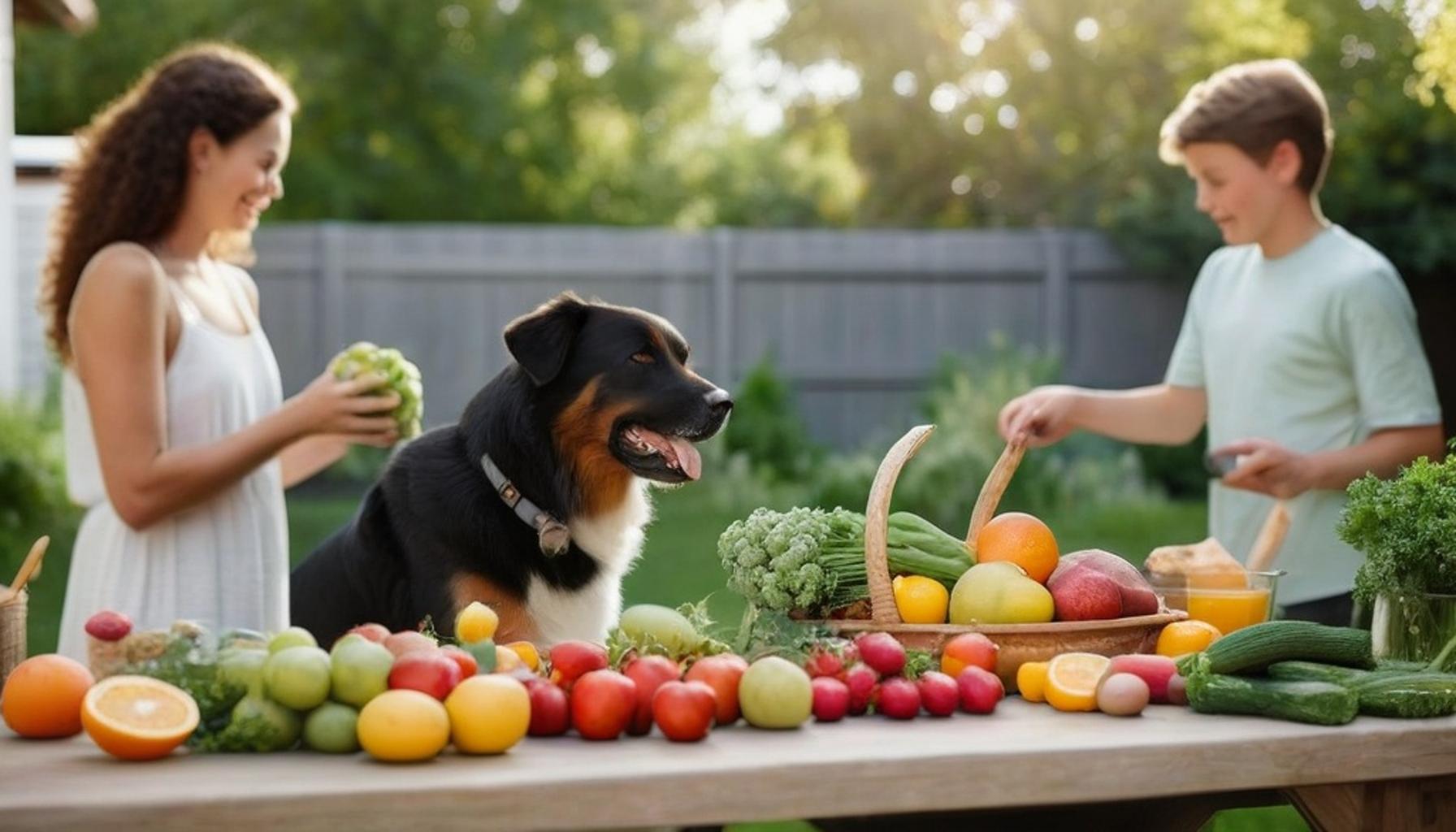
Why Every Meal Bowl in Nigeria Deserves a Second Look
From bustling markets in Lagos to quiet compounds in Kano, Nigerian pet owners are feeding more dogs and cats than ever before. Yet many bowls are filled with leftover jollof rice, bread, or table scraps rather than food designed for animal health. Balanced Nutrition for Dogs and Cats is no longer a luxury topic—it’s a survival issue that touches every household with a wagging tail or a purring companion.
Veterinary clinics across the country report a troubling pattern. Pets arriving with dull coats, low energy, and weakened immune systems often share one root cause: poor diet. In cities like Abuja and Port Harcourt, vets note a rise in preventable conditions such as obesity, skin infections, and stunted growth in puppies—all linked to feeding habits passed down without much scrutiny.
What This Healthy Eating Guide for Pets Will Uncover
This guide breaks down exactly what dogs and cats need to thrive, not just survive. Expect practical, science-backed insights rather than vague advice recycled from foreign pet blogs that ignore Nigerian realities.
- Best Nutrition for Dogs based on breed, age, and activity level, from energetic local breeds to imported guard dogs
- Cat Diet Tips for indoor versus outdoor felines navigating different risks and appetites
- Core Nutrition Needs for Pets, including protein, fat, and micronutrient ratios often overlooked
- Simple Homemade Pet Food Recipes using ingredients readily found in Nigerian markets, from fish heads to groundnut oil
Consider this: a medium-sized dog typically requires between 25 to 30 grams of protein per kilogram of body weight daily. Cats, being strict carnivores, need even higher protein concentrations to avoid deficiencies that can silently damage their organs over time.
A Guide Built for Real Nigerian Households
Budget constraints, market availability, and climate all shape what’s realistic for local pet owners. This article addresses those specific challenges rather than offering generic Western advice that assumes access to expensive imported kibble.
By the end, you’ll understand exactly how to transform ordinary meals into balanced, life-extending nutrition—without breaking the bank or searching endlessly for exotic ingredients.
YOU MAY ALSO LIKE: Training and Socialization: Fundamentals for the Behavior and Well-Being of Pets
Understanding the Building Blocks of Balanced Nutrition for Dogs and Cats
Walk into any veterinary clinic in Ibadan or Enugu, and you’ll hear the same refrain: most pet health problems trace back to what’s landing in the feeding bowl. Balanced Nutrition for Dogs and Cats isn’t about fancy packaging or imported brands—it’s about meeting specific biological requirements that many Nigerian households unknowingly ignore.
Dogs are omnivores with flexible digestive systems, capable of processing grains, vegetables, and meat. Cats, however, are obligate carnivores. Their bodies are wired to extract nutrients almost exclusively from animal protein. Feeding a cat the same rice-and-stew mixture given to the family dog can lead to taurine deficiency, a condition linked to heart disease and blindness in felines. This distinction alone explains why so many “healthy” home diets quietly fail cats while dogs appear to tolerate the same meals without immediate issues.
The Core Nutrition Needs for Pets Nobody Talks About
Every balanced meal, whether homemade or commercial, must address four essential categories. Skipping even one creates long-term consequences that often surface only after visible damage has occurred, sometimes months or years down the line.
- Protein: Builds muscle, repairs tissue, and supports immune function—dogs need roughly 18-25% of their diet from protein, cats require closer to 30-40%
- Fats: Provide concentrated energy and support skin and coat health, particularly important during Nigeria’s dry harmattan season when skin conditions become more visible
- Carbohydrates: Offer quick energy, though cats need minimal amounts compared to dogs, whose digestive systems can handle grains like maize and rice more efficiently
- Vitamins and minerals: Calcium, phosphorus, and vitamin A prevent bone deformities and vision problems, especially in growing puppies and kittens
Consider calcium specifically. Puppies fed exclusively on meat without bone content often develop weak, bowed legs by six months old—a condition veterinarians in Kaduna have documented repeatedly among locally bred dogs raised on scraps alone. Phosphorus imbalance compounds this problem, since excess meat without corresponding bone or supplement intake disrupts the calcium-phosphorus ratio that skeletal development depends on.
Vitamin A deficiency tells a similar story. Cats denied organ meat or fortified commercial food may develop dull coats and impaired night vision, a problem rarely connected to diet until a veterinarian asks pointed questions about feeding habits.
Best Nutrition for Dogs Starts With Recognizing Breed Differences
Not every dog thrives on identical portions. A Nigerian Aseo or local mixed-breed guarding a compound burns significantly more energy than an apartment-bound Shih Tzu in Lekki. Feeding both the same quantity ignores basic metabolic reality.
Working and herding breeds typically need higher protein and fat percentages to sustain activity levels, while smaller companion breeds risk obesity when overfed the same portions designed for larger, more active dogs. Owners across Abuja’s residential estates frequently overestimate how much their sedentary pets actually require.
Age matters equally. Puppies require nearly double the caloric density of adult dogs per kilogram of body weight, fueling rapid bone and muscle development during their first year. Senior dogs, conversely, need reduced calories but increased attention to joint-supporting nutrients like glucosamine, a detail many households overlook until stiffness becomes obvious.

YOU MAY ALSO LIKE: Caring for Senior Animals: Strategies to Ensure the Well-being of Older Pets
# Cat Diet Tips and Homemade Pet Food Recipes That Actually Work in Nigerian KitchensMany Nigerian pet owners assume homemade meals are automatically healthier than commercial pet food. That assumption collapses quickly once you examine what actually goes into a nutritionally complete bowl versus a well-intentioned but incomplete one.
Why Cat Diet Tips Differ So Sharply From Canine Feeding Advice
Cats cannot synthesize taurine efficiently, unlike dogs. This single amino acid, found abundantly in muscle meat, fish, and organ tissue, separates a nutritionally sound feline diet from one quietly heading toward cardiomyopathy. Nigerian cat owners feeding predominantly plant-based scraps or bread soaked in milk are, often unknowingly, starving their cats of this critical nutrient.
Fish, a common protein source in coastal states like Lagos and Rivers, offers taurine benefits but carries its own risk when fed raw or in excess—thiaminase enzymes in certain raw fish species destroy vitamin B1, leading to neurological symptoms if fish becomes the sole protein source rather than a rotational component.
- Chicken liver and gizzard: Excellent taurine and vitamin A sources, widely available in local markets across Ibadan and Kano
- Boiled eggs: Provide complete protein, though should be cooked to avoid biotin deficiency linked to raw egg whites
- Fresh fish in moderation: Two to three times weekly, never as a daily staple
- Small amounts of pumpkin: Aids digestion without overloading a cat’s limited carbohydrate tolerance
Homemade Pet Food Recipes Requiring Careful Calculation, Not Guesswork
A common mistake among Nigerian households involves treating homemade meals as flexible improvisation rather than structured nutrition. Dogs tolerate more variation, but even canine diets need consistent ratios to avoid deficiencies over time.
A reasonably balanced homemade dog meal might combine cooked chicken or beef (roughly 40% of the meal), boiled rice or yam (30%), vegetables like carrots or ugu leaves (20%), and a calcium source such as crushed eggshell or bone meal (10%). This ratio supports muscle maintenance while avoiding the leg deformities veterinarians frequently document in bone-deficient puppies.
Cats require a heavier protein skew, closer to 70% animal-based content, with minimal carbohydrate filler. Rice or maize, staples in many Nigerian dog diets, offer little benefit to cats and can contribute to unnecessary weight gain when overused.
Portion Control Data Nigerian Pet Owners Rarely Calculate
Veterinary nutritionists generally recommend dogs consume 2-3% of their body weight daily in food, adjusted for activity level, while cats typically need 24-35 grams of food per kilogram of body weight. Few households weigh portions accurately, relying instead on visual estimation that frequently leads to overfeeding.
Obesity rates among urban Nigerian pets, particularly indoor cats in Lagos apartments, have climbed alongside increased reliance on processed treats and inconsistent portioning—a trend mirroring global patterns but rarely tracked locally with the same rigor.
# The Bottom Line on Feeding Nigerian Dogs and Cats WellBalanced Nutrition for Dogs and Cats is not a static formula copied from a textbook. It is a moving target shaped by species, age, climate, and what is realistically available in a Lagos market or a Kano compound.
What This Healthy Eating Guide for Pets Really Comes Down To
Species-specific requirements matter more than convenience. A dog’s flexible digestive system tolerates rice, yam, and vegetable scraps reasonably well. A cat’s does not forgive the same substitutions, particularly when taurine and animal protein fall short.
The core lesson threading through this Healthy Eating Guide for Pets is simple: guesswork is the enemy of good nutrition. Ratios, portion sizes, and ingredient choices need deliberate calculation, not improvisation based on leftovers.
Practical Steps Nigerian Pet Owners Can Start This Week
- Weigh food portions using a kitchen scale instead of estimating by eye
- Rotate protein sources between chicken, fish, and organ meats to prevent nutrient gaps
- Consult a veterinarian before committing long-term to any homemade pet food recipes, especially for growing puppies or kittens
- Track weight monthly to catch early signs of obesity or undernutrition before they become chronic
Best Nutrition for Dogs and cats alike depends less on expensive imported products and more on informed consistency. A modest budget, applied with the right ratios, often outperforms an expensive bag of feed used carelessly.
Nutrition Needs for Pets will keep evolving as more Nigerian veterinary research emerges locally rather than borrowed entirely from Western data. Until then, careful observation, honest portioning, and a willingness to question inherited feeding habits remain the most reliable tools any pet owner has.
Frequently Asked Questions
Can I feed my dog or cat local Nigerian foods like rice, beans, and fish instead of commercial pet food?
Yes, foods like boiled rice, cooked beans, and deboned fish can be part of a balanced diet if properly prepared and portioned. However, they should be combined with protein sources and supplements to meet complete nutritional needs, since pets require specific vitamins and minerals not always present in these staples alone. Always avoid seasoning with onions, excess salt, or spices common in Nigerian cooking, as these are toxic to pets.
What affordable protein sources are best for balanced nutrition for dogs and cats in Nigeria?
Locally available options like chicken parts, fish, eggs, and organ meats such as liver are affordable and rich in protein for both dogs and cats. Cats particularly need taurine-rich animal protein, which is abundant in fish and organ meats commonly sold in Nigerian markets. Buying from trusted vendors and cooking meat thoroughly helps prevent parasites and bacterial contamination.
How do I know if my pet is getting balanced nutrition without regular vet visits in areas with limited veterinary access?
Watch for signs like a shiny coat, steady energy levels, healthy weight, and firm stools, which indicate good nutritional balance. Dull fur, frequent digestive upset, or lethargy may signal deficiencies in protein, fats, or essential vitamins. If possible, schedule periodic check-ups with a veterinary clinic in your city, even occasionally, to catch nutritional issues early.
Are imported commercial pet foods sold in Nigeria better than homemade diets for balanced nutrition for dogs and cats?
Imported commercial pet foods are formulated to meet complete nutritional standards, making them a convenient and reliable option if properly stored against Nigeria’s heat and humidity. Homemade diets can be equally balanced but require more knowledge of proper ratios of protein, carbohydrates, and fats plus supplementation. Many pet owners in Nigeria combine both approaches, using commercial food as a base and adding fresh local ingredients for variety and cost savings.

Beatriz
Beatriz Johnson is a seasoned pet care expert and writer with a passion for simplifying the complexities of pet ownership and animal well-being. With over a decade of experience in the field, she specializes in topics like pet nutrition, training techniques, and health care. Through her work on our website, Beatriz empowers pet owners to make informed decisions and provide the best possible care for their furry friends, ensuring happy and healthy lives for their beloved companions.