Adopting a Pet: Essential Tips to Ensure the Health and Well-Being of Your New Friend

Bringing Home a New Companion: What Every Nigerian Pet Owner Should Know
Across Lagos, Abuja, and Port Harcourt, more households are opening their doors to dogs, cats, and other animals seeking a loving home. Adopting a pet is a rewarding experience, but it comes with responsibilities that many first-time owners overlook. The joy of watching a rescued puppy wag its tail for the first time or a timid cat finally settle onto your couch is unmatched, yet that joy demands preparation most Nigerians simply are not warned about beforehand.
Shelters and rescue organizations in Nigeria report a steady rise in adoption requests, especially after the pandemic reshaped family life and pushed many urban dwellers toward companionship animals. Yet, without proper pet health tips, many new owners struggle within the first few months of welcoming an animal. Vets in Lagos and Ibadan have noted increasing cases of malnutrition, untreated skin infections, and parasite infestations in pets adopted without any prior guidance.
Why Preparation Matters
A pet’s transition into your home affects its physical and emotional well-being. Understanding new pet care advice before adoption day can prevent stress, illness, and costly veterinary visits later. Animals, much like humans, experience anxiety when moved into unfamiliar environments, and Nigeria’s diverse climate—from the humid coastal heat of Port Harcourt to the drier air of Kano—adds another layer of complexity that first-time owners rarely anticipate.
Consider these common challenges new pet owners face:
- Choosing the right breed for Nigeria’s climate, since certain thick-coated dogs may struggle with heat exhaustion
- Budgeting for vaccinations and regular check-ups, which can range widely depending on the veterinary clinic and state
- Providing proper nutrition and clean water access, particularly during dry season water shortages
- Creating a safe, comfortable living space that protects pets from extreme heat or unexpected flooding
- Managing behavioral adjustments during the first weeks, including excessive barking or hiding
What This Guide Covers
This article offers practical pet adoption guidance tailored to local realities, from selecting a trustworthy shelter to recognizing early signs of illness such as lethargy, appetite loss, or unusual discharge. We’ll also explore the true cost of caring for your pet in Nigeria, including veterinary access in urban versus rural areas, where clinics may be scarce and emergency care harder to reach.
Whether you’re adopting your first puppy or a rescued cat, understanding the well-being of pets starts with informed decisions. From navigating unreliable pet food supply chains to understanding which local markets offer safe, affordable options, this guide digs into the realities many adoption agencies leave out. Let’s explore what it truly takes to give your new friend a healthy, happy life in the Nigerian context.
RECOMMENDED: Health and Well-Being: Veterinary Care Tips for Adopted Animals
Choosing the Right Shelter or Rescue Before Adopting a Pet
Before falling in love with the first wagging tail you see, take a step back. The foundation of successful pet adoption guidance begins long before you bring an animal home—it starts with vetting the shelter or rescue organization itself. Not every facility in Nigeria follows the same standards, and this gap can directly affect your future pet’s health.Reputable shelters in cities like Lagos and Abuja typically vaccinate animals, deworm them, and provide basic health records before adoption. Others, unfortunately, operate with limited resources and may release animals without proper documentation. Asking the right questions upfront can save you from unexpected veterinary bills and heartbreak down the line.
The number of registered animal shelters across Nigeria remains relatively small compared to the growing demand for pets, especially as more urban households embrace dogs and cats as companions rather than mere guard animals. This imbalance means that some organizations, despite good intentions, struggle to maintain consistent medical care for every animal in their custody. Understanding this reality helps potential adopters approach the process with realistic expectations rather than assumptions.
Questions to Ask Before Adoption Day
When visiting a shelter or rescue center, arm yourself with a checklist. This is one of the most overlooked pieces of new pet care advice, yet it makes all the difference in the animal’s transition:
– Has the animal received any vaccinations, and can you see written proof?
– Was the pet tested or treated for common parasites like ticks, fleas, or intestinal worms?
– What is the animal’s estimated age, and does it match its physical condition?
– Has the pet displayed any aggressive or fearful behavior during its stay at the shelter?
– Is there a return or support policy if health issues surface within the first weeks?
Shelters that hesitate to answer these questions, or seem unfamiliar with the animal’s background, should raise a red flag. Genuine rescue organizations welcome scrutiny because it reflects positively on their care standards. Some shelters even go a step further, offering post-adoption check-in calls or partnering with local veterinary clinics to provide discounted follow-up visits, a practice that speaks volumes about their long-term commitment to animal welfare rather than a quick handover.
Understanding the True Origin of Your New Pet
Many Nigerians adopt animals informally, through neighbors, roadside sellers, or social media groups rather than registered shelters. While this isn’t inherently wrong, it does increase the risk of adopting an animal with undiagnosed health issues or unpredictable temperament, since there’s no formal health screening involved.If you’re considering this route, insist on meeting the animal’s current caretaker in person and observe its living conditions.
A malnourished or overcrowded environment often signals deeper health problems that may not be visible at first glance. This single step significantly strengthens your overall pet health tips checklist before committing to adopting a pet from an informal source.It also helps to ask how long the caretaker has had the animal and whether it originated from a stray population, a breeding home, or another family altogether.
Animals that have passed through multiple hands often carry more stress-related behaviors, which can surface weeks after settling into a new home. Recognizing these patterns early allows new owners to seek behavioral support before small issues become larger challenges. Ultimately, whether you choose a registered shelter or a private rehoming situation, the goal remains the same: gathering enough information to protect the animal’s well-being and your own peace of mind. This groundwork sets the tone for everything that follows, from the first vet visit to how smoothly your new companion adjusts to Nigerian home life.
Adopting a Pet: Essential Tips to Ensure the Health and Well-Being of Your New Friend
Before bringing home a furry companion, understanding the core pillars of pet adoption guidance can save you stress and money. The table below breaks down critical categories every new owner should master, from pet health tips to daily care routines that support well-being of pets long-term.
| Category | Key Insight |
|---|---|
| Veterinary Check-Up | Schedule a vet visit within 48 hours of adoption to screen for parasites and hidden illnesses. |
| Vaccination Schedule | Core vaccines protect against rabies and parvovirus, a must for caring for your pet in Nigeria. |
| Nutrition Plan | Age-appropriate diets boost immunity and prevent obesity-related diseases. |
| Home Safety | Pet-proofing reduces accidents; this is essential new pet care advice for first-time owners. |
| Bonding & Training | Positive reinforcement builds trust, easing the transition after Adopting a Pet. |
SEE ALSO: Enrichment and Socialization: Training Your New Companion for a Happy Life
The First 30 Days: Building a Health Foundation for Your New Pet
Once you’ve brought your new companion home, the real work of caring for your pet in Nigeria begins. The first month after adoption is a critical window, one that veterinarians often refer to as the “adjustment period.” During this time, your pet’s immune system, behavior, and trust in you are all being tested simultaneously.
Many new owners underestimate how much stress an animal experiences after a change in environment. Even a calm-looking dog or cat may be masking anxiety that manifests later as digestive issues, loss of appetite, or unusual aggression. This is why pet health tips from experienced veterinarians consistently emphasize patience over quick fixes during these early weeks. A dog rescued from the streets of Lagos, for instance, may take considerably longer to trust a stable household than a puppy purchased from a registered breeder, and recognizing this difference shapes how owners should approach the first month altogether.
Scheduling the First Veterinary Visit
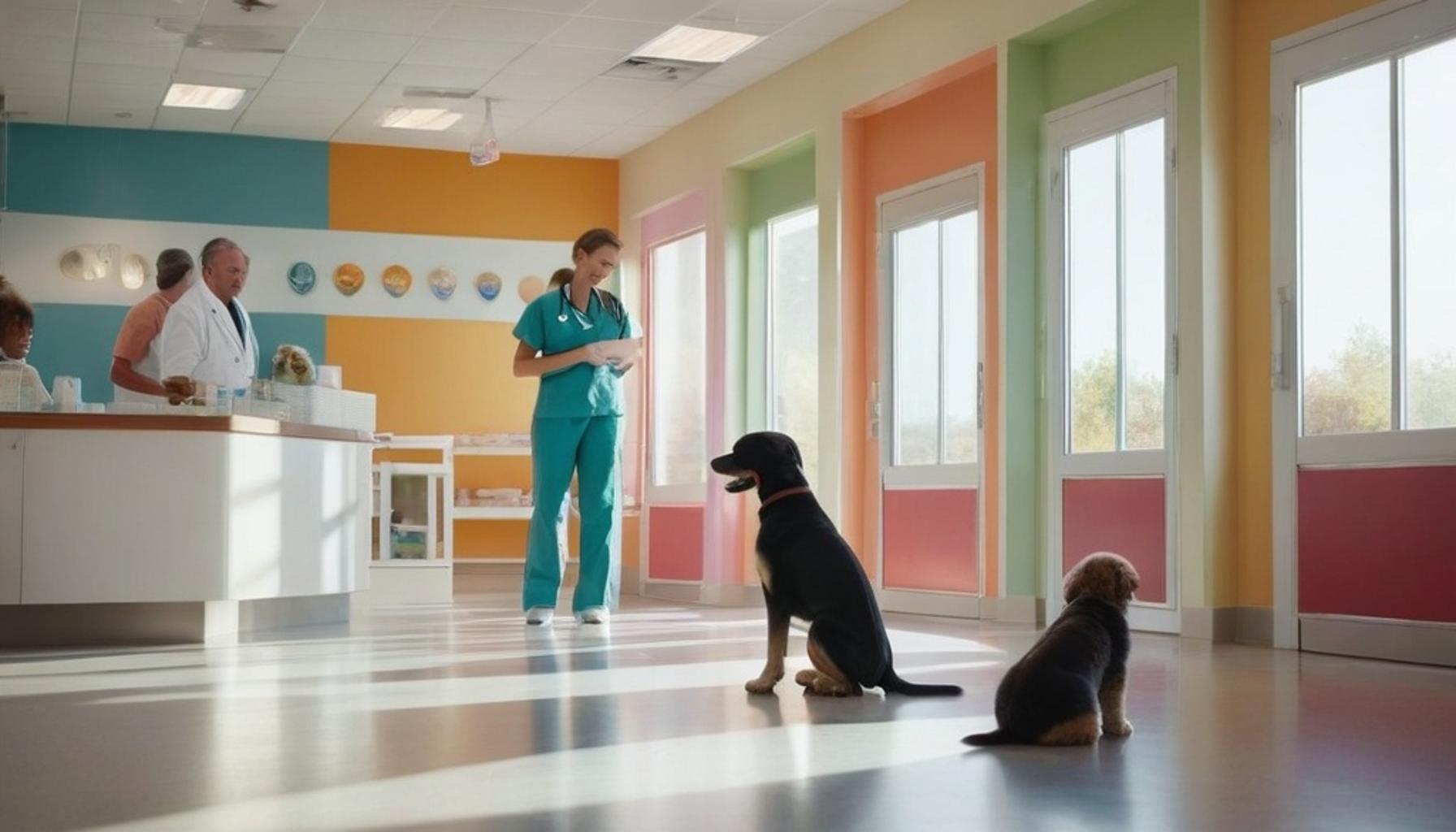
Regardless of what documentation a shelter or previous owner provides, book a veterinary appointment within the first 72 hours of bringing your pet home. Clinics in cities such as Ibadan, Port Harcourt, and Enugu increasingly offer wellness packages tailored specifically for newly adopted animals, reflecting a growing awareness that early intervention prevents costlier problems down the line.
A thorough check-up should include:
- A physical examination to detect malnutrition, skin conditions, or dental problems
- Blood tests for common regional concerns like heartworm or tick-borne diseases
- Confirmation or initiation of a vaccination schedule
- Weight assessment to establish a healthy baseline for future monitoring
This visit also gives you an opportunity to discuss diet, since nutritional needs vary significantly depending on breed, age, and whether the animal was previously a stray. Skipping this step is one of the most common mistakes in pet adoption guidance, often leading to preventable illnesses within the first few months. Veterinarians across Nigeria’s major cities report that parasitic infections, particularly in humid regions like the South-South and South-East, are far more prevalent among pets that miss this initial screening. Investing in this early diagnostic step often saves owners considerable expense and heartbreak later, since conditions caught in their infancy are almost always easier and cheaper to treat.
Creating a Stress-Free Home Environment
Beyond medical care, the well-being of pets depends heavily on their surroundings. Nigerian households often have multiple family members, visitors, and sometimes other animals, all of which can overwhelm a newly adopted pet unfamiliar with such dynamics. The bustle of a typical compound, complete with generators humming, children playing, and neighbors dropping by, can be disorienting for an animal still learning what “home” even means.
Setting up a quiet, designated space with bedding, water, and minimal foot traffic helps the animal decompress. Avoid overwhelming introductions to extended family or neighborhood children within the first few days. Instead, allow the pet to explore its new home gradually, on its own terms, since forced socialization tends to backfire and can delay the trust-building process by weeks.
Simple practices such as maintaining a consistent feeding schedule and speaking in calm, steady tones can significantly reduce anxiety-driven behaviors. This kind of practical new pet care advice often gets overlooked in favor of medical checklists, yet behavioral stability is just as vital to long-term health as any vaccination record. Owners who invest time observing their pet’s body language during this period, noting subtle cues like tucked tails, flattened ears, or reluctance to eat, are often better equipped to catch emerging problems before they escalate into something requiring urgent veterinary attention.
Bringing It All Together: A Lifelong Commitment, Not a Trend
Adopting a Pet is often portrayed as a heartwarming moment, a photo opportunity of a new puppy or cat arriving home. But as this article has shown, the real story unfolds long after that first embrace. From choosing the right animal to navigating the delicate first 30 days, every decision shapes the trajectory of your companion’s long-term health.
Across Nigeria, from bustling Lagos apartments to quieter compounds in Ibadan and Enugu, the fundamentals remain consistent. Reliable pet health tips stress early veterinary screening, patience during the adjustment period, and a home environment that prioritizes calm over chaos. These are not optional extras; they are the backbone of responsible ownership.
What often goes unspoken, however, is that caring for your pet in Nigeria requires adapting global advice to local realities. Humidity-driven parasites, inconsistent access to specialized clinics outside major cities, and cultural attitudes toward animals all influence how owners must approach care. Recognizing these regional nuances is where generic pet adoption guidance often falls short, and where informed owners gain a genuine advantage.
Ultimately, the well-being of pets hinges on consistency rather than perfection. Missed vaccination dates can be rescheduled, dietary mistakes can be corrected, but a foundation of trust, once broken, takes far longer to rebuild. Owners who commit to ongoing observation, routine check-ups, and thoughtful new pet care advice tend to see fewer emergencies and stronger bonds over time.
As more Nigerian households embrace pet ownership, the conversation must shift from simply acquiring an animal to sustaining its health for years, not just weeks. Consider this article a starting point rather than a finish line, one that invites further research, conversations with local veterinarians, and firsthand observation of your own pet’s evolving needs.
Frequently Asked Questions
Where can I adopt a pet in Nigeria instead of buying from a breeder?
You can adopt from animal shelters like the Lagos SPCA, Nigerian Pet Lovers Rescue, or local rescue groups on Facebook and Instagram that rehome abandoned dogs and cats. Some veterinary clinics in cities like Lagos, Abuja, and Port Harcourt also help connect people with pets needing homes. Adopting instead of buying helps reduce the number of stray and abandoned animals in your community.
What vaccinations does my newly adopted pet need in Nigeria’s climate?
Your pet should receive core vaccines including rabies, distemper, parvovirus, and hepatitis, which are especially important given the risk of rabies from stray animals in many Nigerian communities. A licensed veterinarian can create a vaccination schedule based on your pet’s age and health status. It’s best to start this within the first week of adoption to protect against local disease risks.
How much does it cost to maintain a pet monthly in Nigeria?
Monthly costs typically range from ₦15,000 to ₦50,000 depending on the pet’s size, breed, and dietary needs, covering food, grooming, and occasional vet visits. Dogs generally cost more than cats due to larger food portions and higher vaccination needs. Budgeting for emergency vet care is also essential since unexpected illnesses can arise, particularly during the rainy season when parasites are more common.
How do I introduce an adopted pet to my home if I already have other animals?
Keep the new pet separated for the first few days to allow it to adjust to unfamiliar sounds and smells common in a new environment. Gradually introduce them through supervised, short interactions in a neutral space rather than forcing immediate contact. Watch for signs of stress or aggression, and consult a vet or animal behaviorist if tensions don’t ease after two weeks.
What should I feed my adopted pet if I can’t afford imported pet food?
Locally available options like boiled chicken, fish, rice, and vegetables can provide balanced nutrition when combined properly, though you should avoid seasoning with salt, onions, or spices harmful to pets. Many Nigerian pet owners also use affordable local pet food brands that are now widely available in pet stores. Always consult your vet to ensure the diet meets your pet’s specific nutritional needs based on age and breed.
How can I protect my adopted pet from ticks, fleas, and mosquito-borne diseases common in Nigeria?
Use vet-recommended tick and flea treatments monthly, especially during the rainy season when parasites thrive in Nigeria’s warm, humid climate. Keep your pet’s living area clean and consider mosquito nets or repellents to reduce exposure to diseases like heartworm. Regular grooming and vet checkups every three to six months help catch and treat infestations early before they cause serious health issues.

Beatriz
Beatriz Johnson is a seasoned pet care expert and writer with a passion for simplifying the complexities of pet ownership and animal well-being. With over a decade of experience in the field, she specializes in topics like pet nutrition, training techniques, and health care. Through her work on our website, Beatriz empowers pet owners to make informed decisions and provide the best possible care for their furry friends, ensuring happy and healthy lives for their beloved companions.