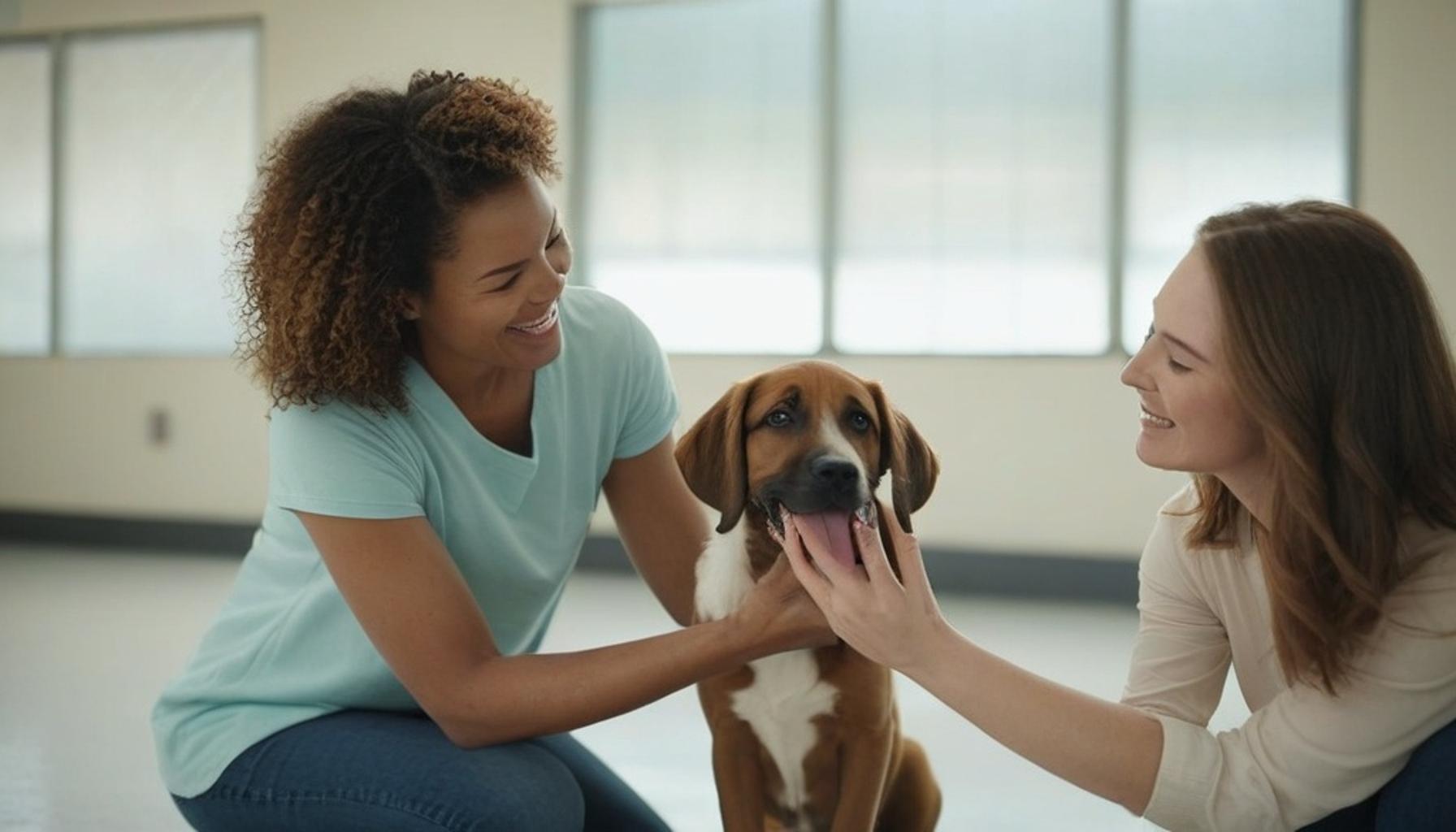
The Importance of Animal Health in Pet Adoption: Tips for New Owners

Why Animal Health in Pet Adoption Deserves Your Attention
Across Lagos, Abuja, and Port Harcourt, more Nigerian families are opening their homes to dogs, cats, and other companions. Yet many new owners focus on breed, size, or appearance while overlooking a critical factor: the animal’s actual health status. This oversight can lead to unexpected veterinary bills and heartbreak down the line.
The importance of pet health starts long before the adoption papers are signed. A seemingly playful puppy or calm cat could be hiding parasites, malnutrition, or untreated infections common in shelters and rescue centers. In fact, many rescue organizations across Nigeria operate with limited funding, meaning animals may arrive with pre-existing conditions that aren’t immediately obvious to an untrained eye. Some may have survived on the streets for weeks or months before rescue, exposing them to diseases like mange, distemper, or intestinal worms that require prompt veterinary intervention.
What makes this issue particularly pressing in the Nigerian context is the scarcity of affordable veterinary care in certain regions. A family in a rural part of Ogun State may not have the same access to animal clinics as someone living in Victoria Island. This disparity means that catching health issues early—right at the point of adoption—becomes even more essential.
What New Pet Owners Often Miss
Understanding animal health in pet adoption means asking the right questions before bringing a pet home. Consider these often-overlooked red flags:
- Dull coat or excessive shedding signaling nutritional deficiencies
- Visible skin lesions or persistent scratching
- Lethargy that goes beyond normal shyness
- Unusual discharge from eyes, ears, or nose
- Swollen abdomen, which may indicate parasitic infestation
- Irregular breathing or persistent coughing
These signs matter because adopting a healthy pet isn’t just about immediate comfort—it’s about long-term wellbeing for both animal and owner. A pet with untreated health issues can quickly become a financial and emotional burden, especially when symptoms worsen weeks after adoption.
What This Article Covers
This guide breaks down practical pet care tips every first-time owner in Nigeria should know. From veterinary checklists to affordable local resources, we’ll walk through essential animal health tips for adoption that protect your new companion. We’ll also examine how climate, local diet options, and common Nigerian household practices influence a pet’s overall health trajectory.
Whether you’re eyeing a rescue dog from a local shelter or a stray cat that’s found its way to your compound, the right knowledge makes all the difference. Understanding vaccination schedules, recognizing signs of zoonotic diseases, and knowing which local vets offer trustworthy, affordable services can transform your adoption experience from uncertain to confident. Let’s explore what truly matters before you adopt.
SEE ALSO: Health and Well-Being: Veterinary Care Tips for Adopted Animals
# The Pre-Adoption Health Check: Your First Line of DefenseBefore you fall in love with those pleading eyes at a shelter in Ikeja or a roadside rescue in Enugu, pause. A structured health check should happen before any paperwork gets signed. This single step separates a joyful adoption story from a costly regret.Animal Health in Pet Adoption starts with a physical examination, ideally performed by a licensed veterinarian rather than a shelter volunteer with good intentions but limited medical training. Nigeria currently has fewer than 3,000 registered veterinarians serving a population exceeding 200 million people, according to figures cited by the Veterinary Council of Nigeria. This scarcity means many animals slip through adoption processes without proper screening, leaving new owners to discover problems only after bonds have formed.
Questions Every Adopter Should Ask
Shelters and rescue centers don’t always volunteer full medical histories. As a prospective owner, it’s your responsibility to dig deeper. Ask these questions before committing:
- Has this animal received core vaccinations, and can I see documentation?
- When was the last deworming treatment administered?
- Has the animal been tested for common regional diseases like babesiosis or ehrlichiosis, both prevalent in Nigerian climates?
- Is there a record of previous illnesses, injuries, or surgeries?
- Was this animal found as a stray, and if so, how long was it living without care?
These questions aren’t just bureaucratic formalities. They directly influence whether you’re adopting a healthy pet or inheriting a medical emergency in disguise. A dog that spent three months roaming the streets of Onitsha, for instance, faces significantly higher exposure to tick-borne illnesses than one raised in a controlled shelter environment from birth.
Why Nigerian Climate Conditions Complicate Matters
Nigeria’s tropical climate creates ideal breeding conditions for parasites and pathogens that thrive in humidity and heat. Ticks, fleas, and intestinal worms multiply faster during rainy seasons, particularly between April and October across most southern states.This reality makes animal health tips for adoption especially relevant for anyone adopting during these months. A puppy that appears perfectly healthy in January could show symptoms of previously dormant conditions by June, once seasonal parasite activity peaks. New owners rarely anticipate this seasonal dimension of pet health, yet it directly affects veterinary costs and treatment timelines.Understanding these patterns isn’t about creating fear—it’s about preparation. The importance of pet health awareness extends beyond the adoption day itself into a broader commitment to monitoring your animal through Nigeria’s distinct wet and dry seasons.

Animal Health in Pet Adoption: Key Checkpoints Every New Owner Should Review
Before bringing home a new companion, understanding the importance of pet health can save you from unexpected veterinary bills and heartbreak. Below is a quick-reference table summarizing critical health checkpoints that highlight animal health tips for adoption and support adopting a healthy pet with confidence.
| Health Checkpoint | Why It Matters for New Owners |
|---|---|
| Vaccination Records | Prevents costly outbreaks like parvovirus; confirms immunity status before exposure to other pets. |
| Parasite Screening | Detects hidden threats such as heartworm or fleas, a core part of essential pet care tips. |
| Spay/Neuter Status | Reduces future health risks and behavioral issues linked to Animal Health in Pet Adoption. |
| Behavioral Assessment | Identifies stress-related conditions, a key consideration in tips for new pet owners. |
LEARN MORE: Preparing Your Home for an Adopted Pet: Safety, Hygiene, and Enrichment
# Building a Sustainable Pet Care Routine After AdoptionThe first thirty days after adoption determine long-term outcomes more than most new owners realize. This window shapes vaccination schedules, dietary adjustments, and behavioral patterns that will follow the animal for years. Treating this period casually often leads to preventable health crises down the line.
Vaccination Timelines You Cannot Afford to Skip
Many Nigerian pet owners assume that a single vaccination round covers their animal indefinitely. This assumption proves costly. Puppies and kittens require boosters at specific intervals, typically every three to four weeks until they reach sixteen weeks of age.Rabies remains a critical concern across Nigeria, where the disease still claims human lives annually according to Nigeria Centre for Disease Control reports. Adopting a healthy pet means committing to rabies vaccination as a non-negotiable step, not an optional extra.
- First vaccination round: six to eight weeks after birth
- Booster shots: every three to four weeks until sixteen weeks
- Rabies vaccine: administered from twelve weeks onward
- Annual boosters: maintained throughout the animal’s life
Skipping these stages doesn’t just risk the individual pet’s health. It contributes to broader public health vulnerabilities within Nigerian communities, particularly in densely populated urban centers like Lagos and Port Harcourt.
Nutrition Choices That Reflect Local Realities
Commercial pet food remains expensive and inconsistently available across many Nigerian markets. This has pushed owners toward alternative feeding practices, some beneficial, others potentially harmful.Feeding dogs leftover garri or heavily seasoned stews might seem economical, but it often triggers digestive issues and long-term nutritional deficiencies. Pet care tips from veterinary professionals consistently emphasize protein-rich diets tailored to species-specific needs rather than convenience-based feeding habits.Local alternatives like boiled chicken, unseasoned fish, and rice provide safer options for owners working within tighter budgets. These choices support the importance of pet health without demanding expensive imported products.
Recognizing Warning Signs Before They Escalate
New owners often miss early symptoms simply because they haven’t been told what to watch for. Lethargy lasting more than a day, sudden appetite loss, or unusual scratching patterns all warrant immediate attention rather than a wait-and-see approach.Tick infestations, common during Nigeria’s rainy months, frequently go unnoticed until animals develop visible discomfort. By then, treatment costs multiply significantly compared to early intervention. Establishing a relationship with a local veterinary clinic, even before problems arise, remains one of the most practical tips for new pet owners navigating unfamiliar territory.
SEE ALSO: Responsible Adoption: The Role of Nutrition in the Health and Well-Being of Rescued Pets
# The Long-Term Value of Prioritizing Animal Health in Pet AdoptionEvery decision made in the early days of pet ownership ripples forward for years. Animal Health in Pet Adoption is not a single checklist item but an ongoing commitment that shapes the quality of life for both pets and their owners across Nigeria.
What New Owners Should Carry Forward
The vaccination schedules, nutrition strategies, and warning signs discussed throughout this article point to one consistent truth: prevention costs far less than treatment. A missed rabies booster or an ignored tick infestation can escalate into expenses that dwarf the price of early veterinary care.Tips for new pet owners should never feel like optional advice reserved for wealthier households. Even with limited budgets, boiled chicken instead of seasoned leftovers, or a scheduled clinic visit instead of guesswork, can make measurable differences in an animal’s wellbeing.
Rethinking What Responsible Adoption Means
Adopting a healthy pet starts before the animal even arrives home. It requires research, budgeting for veterinary costs, and honest assessment of one’s capacity to maintain consistent care routines.The importance of pet health extends beyond individual households too. Vaccinated, well-fed animals reduce disease transmission risks in crowded urban areas like Lagos, Abuja, and Ibadan, protecting human and animal populations alike.
Moving Forward With Confidence
Nigerian pet owners face unique challenges, from inconsistent access to commercial pet food to limited veterinary infrastructure in some regions. Yet these obstacles are not insurmountable.Applying practical animal health tips for adoption and staying alert to behavioral changes empowers owners to act early rather than react late. The animals brought into Nigerian homes deserve nothing less than informed, attentive care built on knowledge rather than assumption.
Frequently Asked Questions
Why is checking animal health in pet adoption so important before bringing a pet home in Nigeria?
Checking animal health in pet adoption helps you avoid bringing home a pet with hidden diseases like parvovirus, mange, or tick fever that are common in Nigerian shelters and street rescues. It also protects your family and existing pets from zoonotic infections such as rabies or ringworm. A proper health check gives you a realistic picture of future veterinary costs and care needs.
What vaccinations should I confirm before adopting a dog or cat in Nigeria?
Before adoption, confirm the pet has received core vaccines including rabies, distemper, parvovirus, and hepatitis for dogs, or feline panleukopenia and calicivirus for cats. Since rabies is a serious public health concern in Nigeria, ask the shelter or previous owner for a vaccination card or certificate. If records are missing, plan to visit a licensed veterinarian immediately after adoption to start or update the vaccine schedule.
How can I tell if a shelter pet in Nigeria has underlying health problems before adopting?
Look for warning signs such as dull or matted fur, discharge from eyes or nose, visible ribs, limping, or lethargy, which often signal untreated illness or malnutrition. Ask the shelter staff about the animal’s medical history, deworming schedule, and any past treatments for tick-borne diseases common in Nigeria. Whenever possible, request a basic vet examination before finalizing the adoption.
What are the first veterinary steps a new pet owner in Nigeria should take after adoption?
Within the first week, take your new pet to a registered veterinary clinic for a full check-up, including deworming, tick and flea treatment, and blood tests if needed. This visit helps catch conditions like ehrlichiosis or babesiosis early, which are prevalent due to tick exposure in many Nigerian environments. It’s also the right time to discuss a vaccination and neutering plan with the vet.
How does poor animal health in pet adoption affect long-term costs for Nigerian pet owners?
Adopting a pet without addressing its health status can lead to expensive emergency treatments later for conditions that could have been prevented, such as heartworm or severe skin infections. Investing early in vaccinations, deworming, and proper nutrition reduces the risk of costly hospital visits down the line. This is especially important in Nigeria, where access to specialized veterinary care can be limited outside major cities.
What role does diet and nutrition play in maintaining animal health after adopting a pet in Nigeria?
A balanced diet suited to the pet’s age, breed, and health condition is essential for building immunity, especially for rescued animals recovering from malnutrition or illness. Many new owners in Nigeria rely on local foods like rice and meat, but it’s important to ensure the diet meets the pet’s specific nutritional needs or supplement with quality commercial pet food. Consulting a veterinarian about the right feeding plan can prevent deficiencies and support faster recovery.

Beatriz
Beatriz Johnson is a seasoned pet care expert and writer with a passion for simplifying the complexities of pet ownership and animal well-being. With over a decade of experience in the field, she specializes in topics like pet nutrition, training techniques, and health care. Through her work on our website, Beatriz empowers pet owners to make informed decisions and provide the best possible care for their furry friends, ensuring happy and healthy lives for their beloved companions.