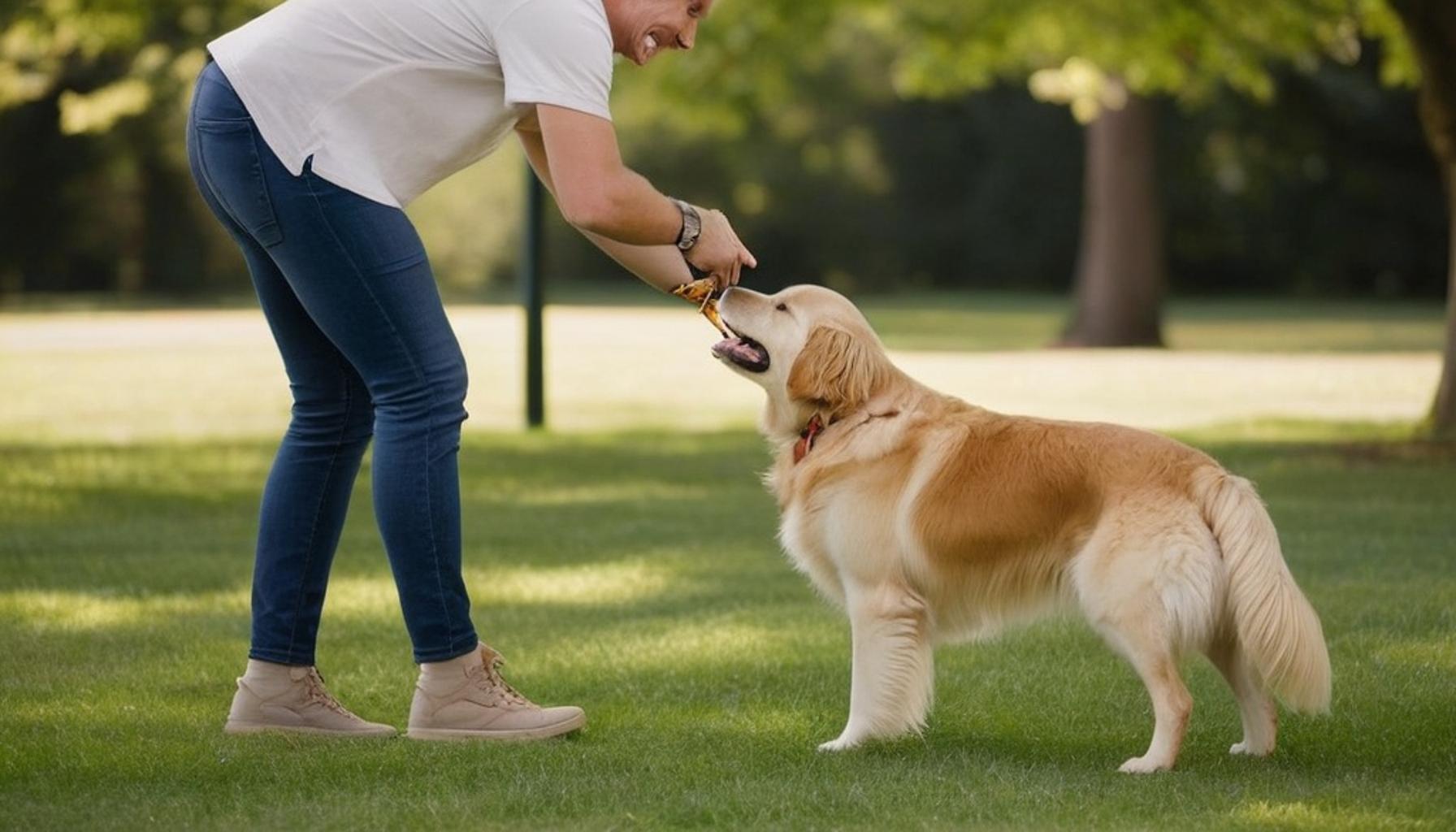
How Obedience Training Contributes to the Mental and Physical Health of Pets
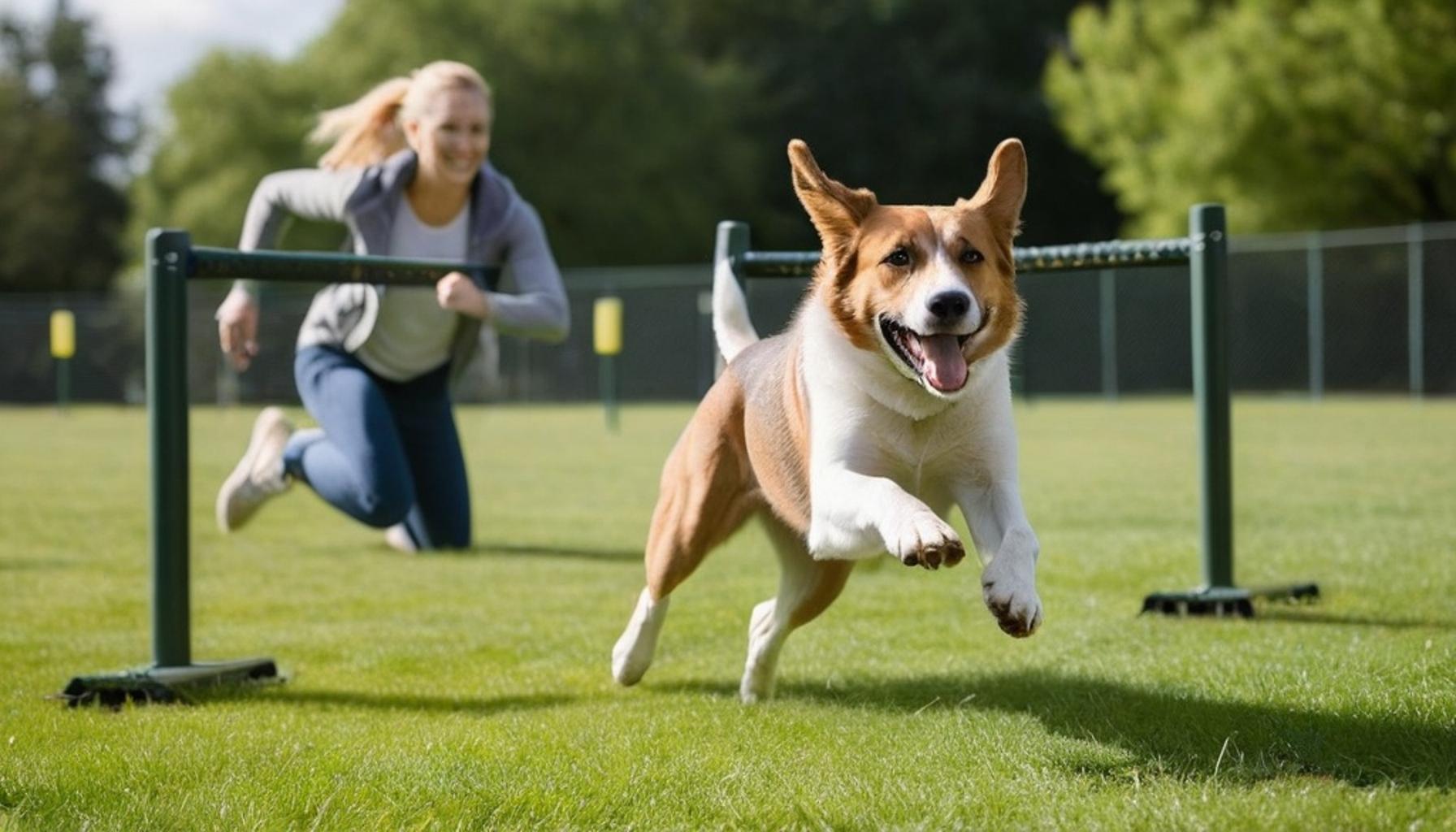
Why Every Nigerian Pet Deserves a Well-Trained Mind and Body
From the bustling streets of Lagos to the quiet compounds of Kano, more Nigerian households are welcoming dogs and other pets into their families. But beyond feeding and shelter, there’s a crucial element many pet owners overlook: Obedience Training for Pets.
Did you know that untrained pets are significantly more likely to develop anxiety, aggression, and even obesity? Structured training isn’t just about teaching a dog to sit or stay—it’s a gateway to a healthier, happier companion.
The Hidden Connection Between Discipline and Wellness
Obedience training taps into a pet’s natural instincts, providing mental stimulation that reduces stress and destructive behavior. It also encourages physical activity, which combats common health issues like weight gain and joint problems.
Consider the benefits of obedience training that extend far beyond good manners:
- Improved mental health of pets through cognitive engagement
- Enhanced physical health of pets via regular movement and exercise
- Stronger bonds between pets and their owners
- Reduced anxiety in noisy urban environments like Abuja or Port Harcourt
- Better social behavior around children and strangers
This article explores practical pet training techniques and essential obedience training tips tailored for Nigerian pet owners. Get ready to discover how a little discipline can transform your pet’s overall well-being.
What Happens When Training Is Ignored
Many Nigerian pet owners assume that once a dog is fed and given a place to sleep, their responsibility ends there. This mindset, though common, often leads to serious behavioral problems down the line. An untrained dog left alone for long hours in a Lagos apartment compound, for instance, may resort to excessive barking, chewing furniture, or even attempting to escape through fences. These are not signs of a “bad” pet—they are signals of an under-stimulated mind desperately seeking an outlet.
Veterinary experts across major Nigerian cities have noted a rise in stress-related conditions among household pets, particularly in high-density areas like Ikeja and Surulere, where space is limited and noise levels are constantly high. Without proper obedience training tips being applied early, pets can develop long-term anxiety disorders that are far more difficult to correct in adulthood.
Training as a Cultural Shift, Not Just a Trend
In Nigeria, pet ownership is rapidly evolving from a purely functional relationship—dogs for security, cats for pest control—into genuine companionship. This shift demands a parallel change in how we care for our animals. Pet training techniques such as positive reinforcement, consistent commands, and scheduled walks are becoming essential tools for modern Nigerian households, whether in a Lekki estate or a rural compound in Enugu.
Owners who invest time in structured training often report calmer, more socially adaptable pets that interact confidently with visitors, children, and even other animals during trips to the market or local vet clinic. This transformation doesn’t happen overnight, but with consistency, patience, and the right techniques, every Nigerian pet has the potential to thrive both mentally and physically.
YOU MAY ALSO LIKE: Puppy Socialization Tips: Ensuring Proper Behavior from the Start
The Science Behind a Calmer, Healthier Companion
Understanding why Obedience Training for Pets works so effectively requires a look at animal psychology. Dogs and cats are naturally wired to seek structure, much like pack animals in the wild who thrive under clear hierarchies. When that structure is missing at home, pets often experience confusion, which manifests as restlessness or unpredictable behavior.
Research from veterinary behaviorists suggests that pets engaged in regular training sessions show measurably lower cortisol levels—the hormone associated with stress. This is one of the clearest indicators of improved mental health of pets, proving that discipline isn’t about control alone; it’s about emotional stability.
Interestingly, this connection between structure and calmness mirrors what animal behaviorists have long observed in wolf packs and stray dog colonies across Nigerian neighborhoods. Strays that form loose, unpredictable groups display far more erratic aggression than dogs living under a consistent household routine. This comparison offers pet owners a compelling reason to invest time in structured learning rather than assuming a pet will simply adjust on its own.
How Training Sessions Double as Physical Exercise
Every command practiced—whether it’s “sit,” “stay,” or “heel”—requires a pet to engage its body alongside its mind. This dual engagement is where the physical health of pets benefits become most obvious. A ten-minute obedience session can burn as much energy as a short walk, especially for smaller breeds common in Nigerian homes, such as Lhasa Apsos or Terriers.
For larger breeds like German Shepherds and Boerboels, often kept for security purposes in cities like Abuja and Port Harcourt, structured training combined with physical drills helps prevent obesity-related conditions such as hip dysplasia and cardiovascular strain. Given Nigeria’s warm climate, many owners avoid extended outdoor exercise during peak afternoon heat, making short but effective indoor training sessions a practical alternative for keeping pets active without unnecessary sun exposure.
Here are some practical pet training techniques Nigerian pet owners can start applying immediately:
- Begin with short, five-minute sessions twice daily to build consistency without overwhelming the pet
- Use treats or local snacks like small pieces of boiled chicken as positive reinforcement
- Incorporate basic commands during walks around the estate or compound
- Introduce hand signals alongside verbal cues for better retention
- Gradually increase training complexity as the pet masters basic commands
Some trainers in Lagos have even started incorporating clicker-based methods, a technique widely used internationally, adapting it to suit local pets unfamiliar with such tools. The clicker acts as a bridge between the desired behavior and the reward, sharpening a pet’s understanding of what is expected far quicker than verbal praise alone.
Why Consistency Matters More Than Intensity
One of the most overlooked obedience training tips is that consistency outperforms intensity every time. A pet trained for ten minutes daily over three months will retain commands far better than one subjected to sporadic, hour-long sessions once a week.
This is particularly relevant in Nigerian households where family members often share pet care duties. Without a unified approach, dogs and cats can become confused by mixed signals, undermining progress. Establishing a shared routine—perhaps training after evening meals or before morning walks—creates predictability that pets respond to positively.
The benefits of obedience training become increasingly evident as weeks pass: fewer instances of furniture damage, reduced barking at night, and a noticeably more relaxed demeanor even in high-traffic areas like Lagos markets or busy Abuja streets. Pet owners who document their training journeys often notice subtle improvements first, such as quicker responses to their name being called, before witnessing dramatic transformations in overall temperament.
As more Nigerian households embrace pets not just for security but as genuine companions, the demand for reliable, science-backed training methods continues to grow. This shift signals a broader cultural change—one where animal welfare and psychological wellbeing are finally receiving the attention they deserve.

Key Aspects of Obedience Training for Pets: Mental and Physical Health Benefits
Before diving deeper into training methods, it helps to see at a glance how Obedience Training for Pets shapes both behavior and wellbeing. The table below highlights core categories that connect the mental health of pets with their physical health, offering a quick reference for pet owners exploring effective pet training techniques.
| Category | Key Benefit |
|---|---|
| Mental Stimulation | Reduces anxiety and boredom through structured commands |
| Physical Conditioning | Improves coordination and stamina via active exercises |
| Behavioral Control | Prevents destructive habits and aggressive tendencies |
| Owner Bonding | Strengthens trust, communication, and emotional security |
| Stress Reduction | Lowers cortisol levels through predictable routines |
Each of these categories reflects a proven benefit of obedience training, reinforcing why consistent practice matters. The following sections expand on specific obedience training tips that pet owners can apply immediately.
SEE ALSO: Obedience Training: The Key to Your Pet’s Safety and Health at Home and During Travels
Emotional Bonds and Long-Term Behavioral Rewards
Beyond physical fitness and stress reduction, Obedience Training for Pets plays a significant role in strengthening the emotional bond between animals and their owners. This bond, often underestimated, forms the foundation for trust, which directly influences how a pet reacts to unfamiliar people, loud environments, or sudden changes in routine. Many Nigerian households acquire pets primarily for companionship or security, yet few consider how deeply intertwined behavioral training is with an animal’s overall sense of safety and belonging within a home.
Veterinary experts across Nigeria have noted a rising number of consultations related to anxiety-driven behaviors in pets, particularly in cities experiencing rapid urban growth like Lagos and Ibadan. Loud generators, honking traffic, and crowded compounds create sensory overload for animals unaccustomed to structured coping mechanisms. Pets that undergo consistent training tend to display fewer signs of panic, such as excessive shaking or hiding, when exposed to these everyday urban stressors. In fact, some clinics have reported that trained dogs recover from startling incidents, like sudden thunder or fireworks during festive periods, considerably faster than untrained counterparts.
The Link Between Mental Stimulation and Disease Prevention
Mental stimulation gained through training does more than sharpen obedience; it actively contributes to long-term disease prevention. Bored, understimulated pets are statistically more prone to destructive habits, but they are also at higher risk of developing compulsive behaviors such as excessive licking or tail-chasing, which can lead to skin infections or muscle strain over time. Left unaddressed, these repetitive behaviors can escalate into chronic conditions requiring costly veterinary intervention.
By engaging a pet’s cognitive functions through obedience drills, owners are indirectly protecting their pets from these secondary health complications. This makes the mental health of pets and their physical wellbeing far more interconnected than many realize. A tired mind, much like a tired body, tends to rest more peacefully, reducing nighttime restlessness that many pet owners mistake for simple mischief.
Some additional pet training techniques that support this dual benefit include:
- Puzzle-based feeding tools that require problem-solving before mealtime
- Scent-tracking games using familiar household items
- Short obstacle courses set up within compound spaces
- Alternating trainers occasionally to strengthen adaptability
Each of these methods, when practiced consistently, contributes to a more balanced temperament, particularly in breeds known for high energy levels or heightened territorial instincts common among guard dogs favored in many Nigerian homes.
Real-World Impact Across Nigerian Communities
In estates across Port Harcourt and Enugu, community-based pet meetups have started gaining traction, where owners exchange obedience training tips and observe how different breeds respond to shared training environments. These informal gatherings have become valuable spaces for identifying early behavioral issues before they escalate, while also fostering a sense of shared responsibility among neighbors regarding pet welfare.
Data from small-scale surveys conducted by local veterinary clinics suggest that pets exposed to group training environments show improved socialization skills, reducing instances of unnecessary aggression toward other animals or unfamiliar visitors. This reinforces one of the most practical benefits of obedience training: a pet that feels secure is a pet that behaves predictably, even outside familiar surroundings, whether at a bustling market or a quiet neighborhood gathering.
As Nigerian pet ownership continues to diversify beyond traditional security roles, understanding these deeper psychological and physiological connections becomes essential. Owners who invest in structured training are not simply teaching commands—they are actively shaping healthier, more resilient companions capable of thriving in increasingly complex environments, from crowded urban centers to quieter suburban compounds across the country.
Bringing It All Together: A Healthier Future for Nigerian Pets
The evidence gathered across veterinary clinics, community estates, and household experiences all point toward one conclusion: Obedience Training for Pets is not a luxury reserved for show animals or elite breeds. It is a fundamental practice that shapes how an animal thinks, feels, and physically copes with the demands of everyday life in Nigeria’s diverse environments.
From reducing anxiety triggered by generator noise and market crowds to preventing compulsive behaviors that damage skin and muscle tissue, the connection between structured training and overall wellness is difficult to ignore. The mental health of pets and their physical health of pets are not separate concerns handled by different specialists; they are two sides of the same coin, constantly influencing one another in ways many owners are only beginning to understand.
What makes this topic worth continued attention is how accessible the solutions remain. Owners do not need expensive equipment or professional trainers to see results. Simple, consistent pet training techniques, whether puzzle feeders, scent games, or short daily drills, can meaningfully alter a pet’s temperament and resilience over time.
Community-driven efforts, like those observed in Port Harcourt and Enugu, hint at a broader cultural shift taking shape across Nigerian neighborhoods. Pet owners are no longer viewing training as optional; they are recognizing its role in preventing costly veterinary visits and improving daily household harmony.
For anyone still weighing whether structured training is worth the effort, the data and real-world observations suggest otherwise. The benefits of obedience training extend far beyond obedience itself, touching disease prevention, emotional stability, and long-term adaptability.
As more Nigerian households continue exchanging obedience training tips and observing tangible improvements firsthand, one thing becomes increasingly clear: a well-trained pet is not simply easier to manage, but genuinely healthier, calmer, and better equipped to thrive alongside the families who care for them.
Frequently Asked Questions
How does obedience training improve the mental health of pets in Nigeria’s busy urban environments like Lagos and Abuja?
Obedience training gives pets clear structure and predictability, which reduces anxiety caused by noise, traffic, and crowded compounds common in Nigerian cities. A well-trained dog or cat learns to respond calmly to commands instead of reacting with fear or aggression to unfamiliar sights and sounds. This mental stability lowers stress hormones and helps pets adapt better to Nigeria’s fast-paced urban lifestyle.
Can obedience training help reduce aggressive behaviour in local Nigerian dog breeds such as Alsatians or Rottweilers?
Yes, obedience training for pets is especially effective for strong-willed breeds like Alsatians and Rottweilers, which are popular guard dogs in Nigeria. Consistent commands such as sit, stay, and leave it teach these dogs impulse control and reduce unnecessary aggression toward visitors or other animals. Early and regular training sessions also build trust between the dog and owner, making the pet calmer overall.
What physical health benefits do pets gain from regular obedience training sessions?
Obedience training often involves physical activities like walking on a leash, sitting, and recall exercises, which help pets burn excess energy and maintain a healthy weight. This is particularly useful in Nigeria, where many pets are kept indoors or in small compounds with limited exercise space. Regular training sessions also improve coordination, joint mobility, and cardiovascular health over time.
Is obedience training necessary for pets that are already calm and well-behaved at home?
Even calm pets benefit from obedience training because it strengthens mental sharpness and prevents future behavioural problems. Training keeps pets mentally stimulated, which is important for their emotional wellbeing, and it prepares them to handle new situations like visitors, travel, or vet visits in Nigeria without stress. It also reinforces the bond between pet and owner, which supports long-term good behaviour.
How can Nigerian pet owners start obedience training without hiring an expensive professional trainer?
Nigerian pet owners can begin obedience training at home using simple commands like sit, stay, and come, practiced daily for 10 to 15 minutes with positive reinforcement such as treats or praise. Free resources like YouTube videos and pet training guides tailored to local breeds can also guide beginners effectively. Consistency and patience are key, and owners can gradually introduce more advanced commands as the pet progresses.
Does obedience training help pets cope better with Nigeria’s hot climate and outdoor challenges?
Obedience training teaches pets to follow commands like stay or wait, which helps owners manage them safely during hot weather, avoiding overexertion that can lead to heat exhaustion. It also helps control pets around common outdoor hazards in Nigeria, such as stray animals, traffic, and market crowds, keeping them safer during walks. This combination of physical safety and mental discipline contributes significantly to a pet’s overall wellbeing.

Beatriz
Beatriz Johnson is a seasoned pet care expert and writer with a passion for simplifying the complexities of pet ownership and animal well-being. With over a decade of experience in the field, she specializes in topics like pet nutrition, training techniques, and health care. Through her work on our website, Beatriz empowers pet owners to make informed decisions and provide the best possible care for their furry friends, ensuring happy and healthy lives for their beloved companions.