Responsible Adoption: How to Prepare Your Home for a New Pet
Bringing a New Companion Home: Where Do You Start?
Across Nigerian cities like Lagos, Abuja, and Port Harcourt, more families are opening their doors to dogs, cats, and even rescued strays. Pet ownership is no longer seen as unusual or reserved for the wealthy; it has become a growing lifestyle choice among young professionals, married couples, and even university students living off-campus. Yet responsible adoption goes far beyond picking a cute face at a shelter or rescuing an animal you spotted wandering along the roadside in Ikeja or Wuse.
It demands real preparation, patience, and a home ready to welcome a living being with its own needs, routines, and personality. Studies from animal welfare groups suggest that up to 30% of newly adopted pets are returned within the first six months, often due to poor planning, unrealistic expectations, or a lack of understanding about the financial and emotional commitment involved.
Why Preparation Matters More Than You Think
Before you even bring your new pet through the front door, there’s groundwork to lay. Pet-proofing your home isn’t just about aesthetics; it’s about safety, comfort, and long-term harmony between the animal and every human sharing that space, including children and elderly relatives who may be unfamiliar with pet behavior.
A well-thought-out pet adoption checklist can mean the difference between a smooth transition and weeks of stress for both you and your new companion. Many first-time pet owners in Nigeria underestimate how quickly an unprepared home can become chaotic once a curious puppy or an anxious rescue cat starts exploring its new territory.
- Securing loose wires and toxic plants that could be chewed or ingested
- Setting up a dedicated feeding and sleeping area away from heavy foot traffic
- Stocking essential supplies before arrival day, including bowls, bedding, and grooming tools
- Researching local veterinary services nearby, especially those with emergency care options
What This Article Will Cover
Wondering exactly how to adopt a pet the right way, from paperwork to the first night home? This guide breaks down practical, actionable new pet care tips tailored for Nigerian households navigating unique challenges such as unpredictable power supply, limited access to certain pet products, and varying veterinary standards across regions.
From budgeting for vaccinations to childproofing shared spaces, every detail matters when integrating a new animal into family life. We will also examine how Nigerian climate, housing structures, and cultural attitudes toward pets influence the adoption experience. Let’s explore what it truly takes to prepare your home responsibly, step by step, so that your new companion settles in with confidence rather than fear.
RECOMMENDED: Check out this similar article
# Setting the Foundation: Assessing Your Home and Lifestyle Before AdoptionBefore falling in love with a wagging tail or a soft purr, prospective pet owners need to take a hard look at their living situation. Responsible adoption begins long before you step into a shelter in Yaba or scroll through rescue listings online; it starts with an honest evaluation of your space, schedule, and finances.
Many Nigerian homes, especially in densely populated urban areas, come with unique layouts, small compounds, and shared compounds with extended family members. These factors directly influence what kind of pet suits your environment and how much adjustment your household will require. A family in Surulere sharing a compound with three other tenants faces a completely different set of considerations than someone living alone in a gated estate in Ibadan.
Understanding Your Living Space and Its Limitations
A three-bedroom flat in Lekki Phase 1 presents different challenges compared to a bungalow in Enugu with a fenced backyard. When you prepare your home for a new pet, consider ventilation, available outdoor space, and how noise from barking or meowing might affect neighbors, particularly in tightly packed estates. Compound living, common across many Nigerian cities, also means factoring in how other tenants or family members feel about animals moving freely through shared spaces.
Apartment dwellers often overlook how quickly an energetic breed can become destructive without adequate exercise. A Nigerian Aseusu or a mixed-breed rescue may adapt well to smaller spaces, but larger breeds like German Shepherds, increasingly popular for home security, need room to move and burn energy. Without daily walks or an open yard, these dogs can develop anxious behaviors, including excessive digging, chewing furniture, or barking at odd hours that strain relationships with neighbors.
Building Your Pet Adoption Checklist
A structured pet adoption checklist helps eliminate guesswork and last-minute scrambling. Before adoption day arrives, households should confirm the following:
- Whether landlords or estate management permit pets, since many rental agreements in cities like Abuja restrict animal ownership
- Availability of consistent water supply for regular bathing and hydration, particularly during Nigeria’s dry season
- Storage solutions for pet food that protect against humidity and pests common in tropical climates
- A realistic monthly budget covering feeding, grooming, and unexpected veterinary visits
- Access to a trustworthy veterinary clinic within reasonable distance, since not every neighborhood has one nearby
Skipping this groundwork often explains why shelters report high return rates. Animals surrendered after adoption frequently show signs of stress from mismatched environments rather than behavioral flaws. A dog rehomed three times before turning two years old is not necessarily difficult; it may simply have landed in households unprepared for its needs.
Financial Readiness Often Gets Overlooked
Learning how to adopt a pet responsibly means acknowledging the actual cost of ownership, not just the adoption fee. Vaccinations, deworming, quality feed, and occasional emergency care add up quickly, sometimes reaching tens of thousands of naira within the first few months. Grooming tools, chew toys, and bedding materials further stretch initial budgets that many first-time owners fail to anticipate.
Families who research costs upfront tend to experience smoother transitions, since financial stress rarely mixes well with the emotional demands of welcoming a new pet. Speaking with current pet owners in local communities, whether through WhatsApp groups or neighborhood associations, often reveals hidden expenses that online guides fail to mention, giving prospective adopters a clearer, more grounded picture before making their final decision.
ADDITIONAL INSIGHTS: Expand your understanding here
# Pet-Proofing Your Home and Preparing for the First WeeksOnce a household clears the readiness checklist, the physical work of pet-proofing your home begins. This stage often gets rushed, yet it determines whether the first weeks with a new animal feel manageable or chaotic.
Room-by-Room Safety Adjustments
Nigerian homes contain everyday hazards that owners rarely notice until a curious puppy or kitten starts exploring. Loose electrical wiring, common in older buildings across Kano and parts of Lagos Mainland, poses serious chewing risks for teething animals. Securing cables behind furniture or using cable protectors prevents both property damage and potential electrocution.
Kitchens deserve particular attention. Onions, garlic, and seasoning cubes like Maggi, staples in most Nigerian cooking, are toxic to dogs and cats when ingested in quantity. Storing these ingredients in sealed containers rather than open baskets reduces accidental poisoning cases that veterinary clinics in Lagos and Port Harcourt report with surprising frequency during a pet’s first month home.
Balconies and staircases, especially in duplexes across Abuja’s Gwarinpa or Life Camp estates, require netting or barriers for smaller breeds and kittens prone to squeezing through railings. Falls from upper floors account for a notable percentage of emergency veterinary visits within an animal’s initial weeks in a new environment.
Creating a Dedicated Space
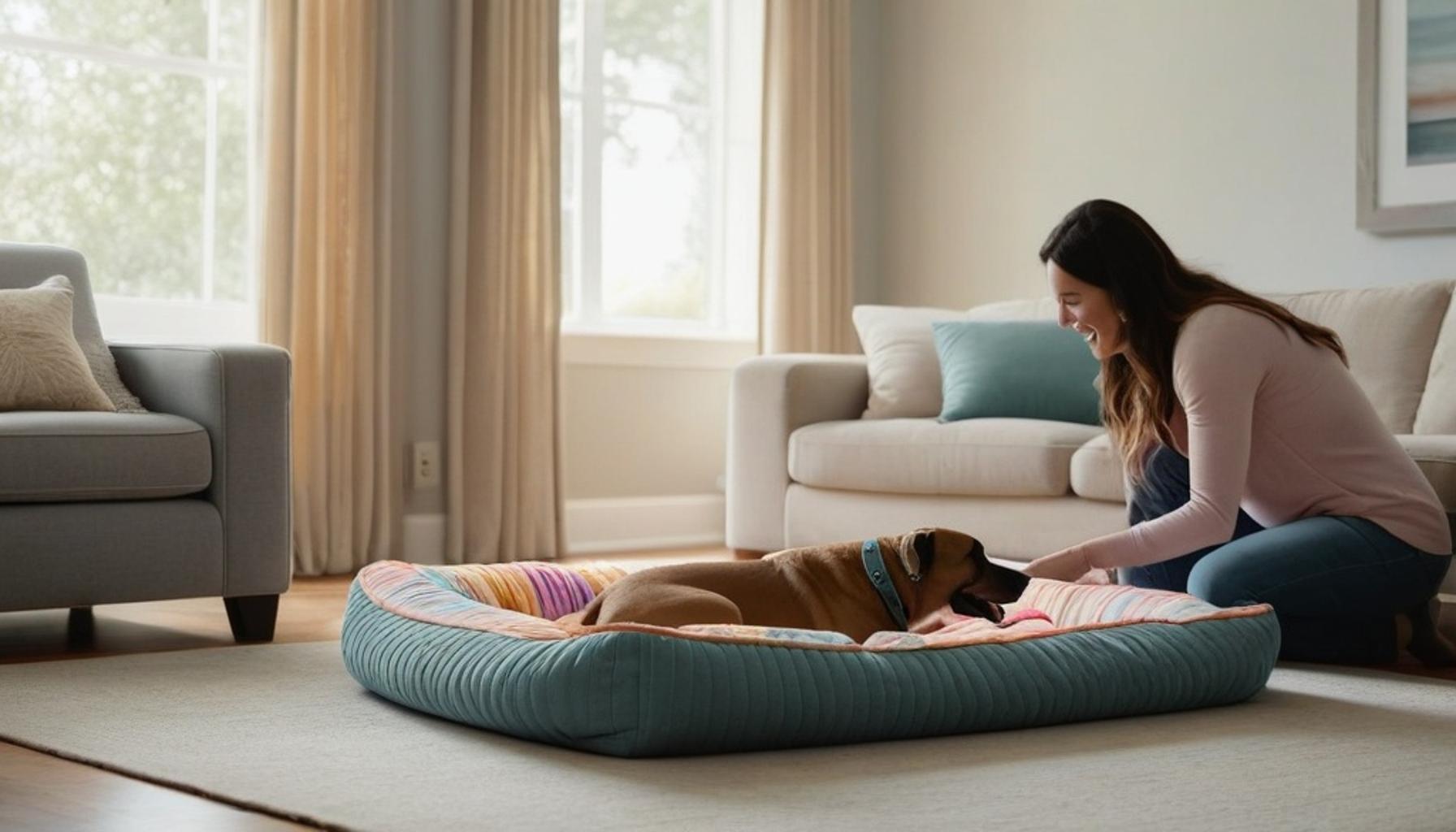
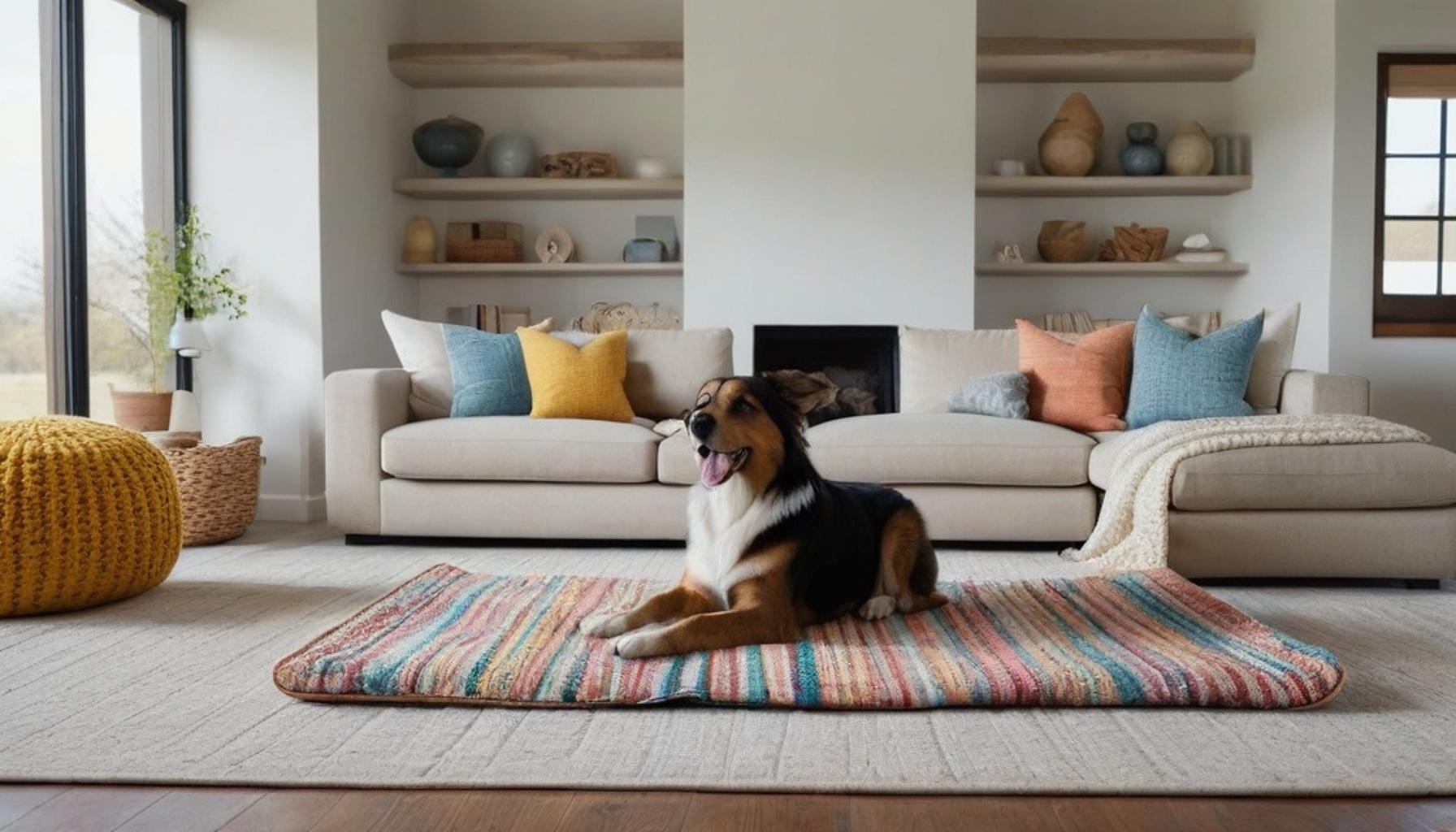
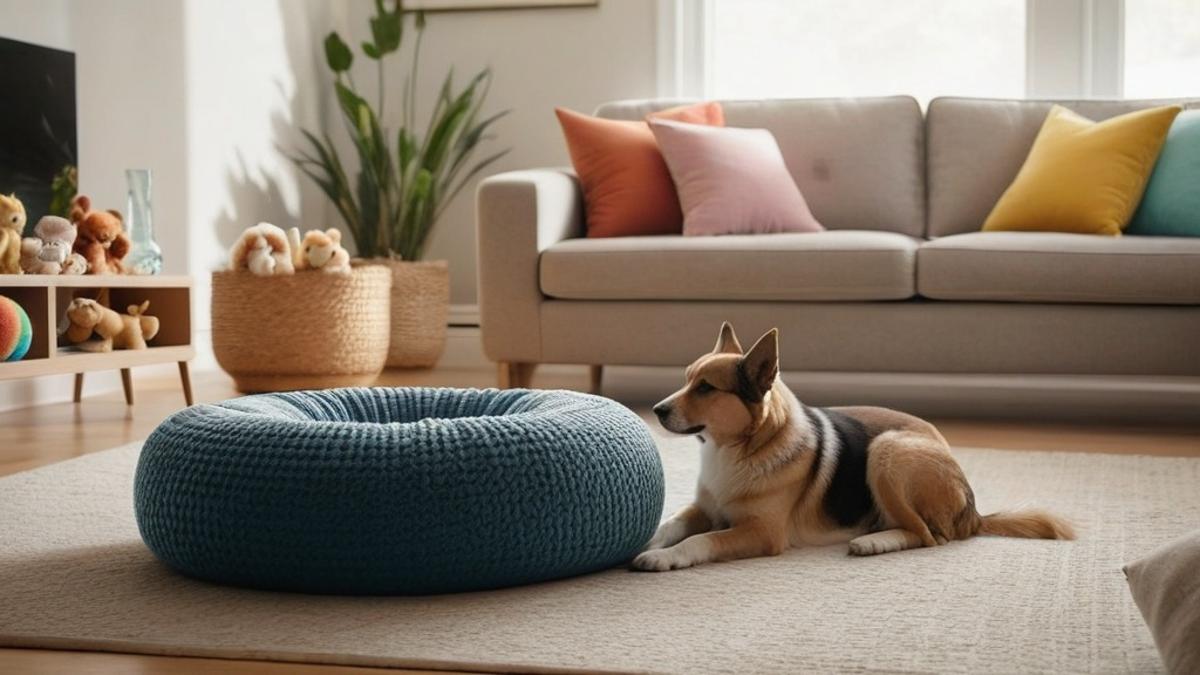
Every new pet benefits from a designated area that feels exclusively theirs. This does not require expensive furniture. A washable mat, a affordable plastic bed, or even a repurposed carton lined with old wrappers can serve as a starting point.
This space should sit away from heavy foot traffic, particularly in homes where extended family members frequently visit. Consistency matters more than luxury here; animals adjust faster when they associate one corner with safety and rest.
New Pet Care Tips for the Transition Period
The first two weeks shape long-term behavior more than most new owners realize. Veterinary behaviorists generally recommend limiting exposure to loud gatherings, generator noise, or unfamiliar visitors during this window, since Nigerian households often host frequent social events that can overwhelm a newly adopted animal.
Feeding schedules should remain predictable. Shelters and rescues, including several operating informally within Lagos and Ibadan, typically provide information on what an animal previously ate. Switching feed abruptly often triggers digestive upset, so gradual transitions over seven to ten days work better than immediate changes.
- Maintain the same feeding times daily, even on weekends
- Introduce household members slowly rather than all at once
- Watch for signs of heat stress, particularly relevant given Nigeria’s climate, and ensure shaded, ventilated resting areas
- Schedule an initial veterinary check-up within the first week to catch underlying health issues early
Understanding how to adopt a pet successfully means recognizing that behavior labeled as stubbornness often reflects fear or disorientation. Patience during these early weeks typically determines whether the placement becomes permanent or ends in another disruptive rehoming.
SEE ALSO: Click here to read another article
Building a Foundation That Lasts Beyond the First Weeks
Responsible adoption extends far beyond the excitement of bringing an animal home. It requires deliberate preparation, from securing loose wiring in older Lagos apartments to understanding why a Maggi cube left within reach could trigger a veterinary emergency. Each step covered throughout this guide, the readiness checklist, the room-by-room safety adjustments, and the transition-period habits, works together rather than in isolation.
Nigerian pet owners face unique circumstances that generic international advice often overlooks. Generator noise, frequent houseguests, and climate-related heat stress all factor into how smoothly an animal settles into a household. Recognizing these local realities separates a rushed decision from genuine preparedness.
What This Means for Prospective Owners
A thorough pet adoption checklist saves both money and heartbreak. Emergency vet visits, damaged furniture, and stress-related behavioral issues frequently trace back to skipped preparation steps rather than the animal’s temperament.
Those still researching how to adopt a pet should treat the first month as an ongoing observation period, not a fixed transition with a definitive end date. Some animals settle within days; others, particularly rescues with unclear histories, may need several weeks before showing their true personality.
- Revisit safety measures periodically as pets grow or explore new areas
- Keep veterinary contacts and emergency clinic numbers easily accessible
- Stay patient with setbacks; adjustment rarely follows a straight line
Ultimately, learning to prepare home for new pet arrivals reflects a broader commitment. Shelters across Lagos, Abuja, and Port Harcourt continue reporting return cases tied directly to inadequate preparation. Households that invest time upfront, rather than assuming instinct will guide them, tend to build stronger, more permanent bonds with the animals they welcome in.
Frequently Asked Questions
What documents or requirements are needed for responsible adoption from a shelter in Nigeria?
Most shelters in Nigeria, such as those in Lagos or Abuja, will ask for proof of address, a valid ID, and sometimes a small adoption fee to cover vaccinations and deworming. Some organizations also carry out a short home check or interview to confirm you can provide a safe environment. Being prepared with these details speeds up the responsible adoption process and shows genuine commitment to the pet’s welfare.
How do I pet-proof my Nigerian home before bringing a new dog or cat inside?
Secure open compounds with fencing or gates since many Nigerian homes have gardens that can be escape routes, and remove access to chemicals, pesticides, or open drainage often found in outdoor kitchens. Keep small objects, electrical cords, and indoor plants like peace lilies out of reach, as these are toxic or hazardous to curious pets. Setting up a designated sleeping and feeding area also helps the animal settle in faster after responsible adoption.
What should I budget monthly for pet food and vet care after adopting in Nigeria?
On average, pet owners in cities like Lagos, Port Harcourt, or Ibadan should budget between five to fifteen thousand naira monthly for quality food, depending on the breed and size of the animal. Vet visits, vaccinations, and tick or flea treatments can add extra costs, especially during rainy season when parasites are more common. Planning this budget in advance is a core part of responsible adoption and prevents neglect due to unexpected expenses.
How can I introduce a newly adopted pet to other animals or children already living in my house?
Start with short, supervised sessions in a neutral space, allowing the new pet and existing animals or children to sniff and observe each other calmly rather than forcing direct contact. Use treats and calm voices to build positive associations, and separate them again if signs of stress or aggression appear. Gradually increasing interaction time over one to two weeks usually leads to a smoother transition and reflects the patience required in responsible adoption.

Beatriz
Beatriz Johnson is a seasoned pet care expert and writer with a passion for simplifying the complexities of pet ownership and animal well-being. With over a decade of experience in the field, she specializes in topics like pet nutrition, training techniques, and health care. Through her work on our website, Beatriz empowers pet owners to make informed decisions and provide the best possible care for their furry friends, ensuring happy and healthy lives for their beloved companions.