How Obedience Training Contributes to the Safety and Health of Pets in Home Environments
Why Every Nigerian Home Needs a Well-Trained Pet
Picture this: a dog dashing through an open gate onto a busy Lagos street, or a cat knocking over a hot pot in a Lekki kitchen. These everyday scenarios happen more often than pet owners realize.
Obedience Training for Pets is no longer just a luxury for show dogs or working animals. It has become a practical necessity for households across Nigeria, from Abuja apartments to Port Harcourt compounds.
Beyond teaching your furry companion to sit or stay, structured training plays a critical role in pet safety training and disease prevention. It shapes how animals respond to danger, strangers, and even household hazards.
What This Article Will Uncover
This piece explores the real, science-backed connection between discipline and wellbeing. You will discover:
- How training reduces accidents like poisoning, road injuries, and dangerous escapes
- The health benefits of obedience training, including reduced stress and better weight management
- Practical home pet training tips suited for Nigerian living conditions
- Why the importance of pet obedience extends to protecting children, visitors, and other animals
Understanding how training helps pets thrive isn’t just about obedience commands. It’s about building a safer, healthier relationship between you and your animal companion.
The Reality on Nigerian Streets and Compounds
Anyone who has lived in a busy Nigerian neighborhood knows the chaos that untrained animals can cause. Okada riders swerving to avoid a stray dog, market women startled by an excited puppy weaving between stalls, or a cat that refuses to stay away from a generator exhaust—these are not rare occurrences. They are daily realities that highlight a gap in how many households approach pet ownership.
In cities like Ibadan and Enugu, where compounds are often shared with extended family, neighbors, and their own pets, an untrained animal can quickly become a source of tension. A dog that barks aggressively at every visitor or refuses to obey basic commands puts both people and other animals at risk. This is where Obedience Training for Pets becomes more than a nicety—it becomes a safeguard for communal harmony.
Health, Behavior, and the Bigger Picture
Veterinary experts have long pointed to the link between structured training and improved animal health. Pets that undergo consistent training tend to show lower stress markers, better appetite regulation, and improved cardiovascular health due to more controlled physical activity. This connects directly to the health benefits of obedience training, which extend far beyond simple behavior correction.
For Nigerian pet owners juggling busy schedules, incorporating home pet training tips into daily routines does not require expensive equipment or professional trainers. Simple consistency, positive reinforcement, and understanding your pet’s triggers can make a significant difference within weeks.
Ultimately, the importance of pet obedience lies in prevention rather than reaction. A well-trained pet is less likely to escape through open gates, ingest harmful substances, or provoke conflict with strangers and children. As more Nigerian households embrace this mindset, the safety and wellbeing of both pets and people stand to improve significantly.
Keep reading to learn practical strategies that could save your pet’s life—and possibly your own peace of mind.
YOU MAY ALSO LIKE: Puppy Socialization: Preparing Your New Friend for a Healthy and Happy Lifestyle
The Hidden Dangers Lurking in Everyday Nigerian Homes
Most pet owners do not realize how many hazards exist within their own compounds until something goes wrong. Generators, open gutters, exposed wiring, and even leftover food scraps can turn a normal afternoon into an emergency room visit for a beloved cat or dog. From the bustling streets of Lagos to the quieter compounds of Enugu, the average Nigerian home is filled with silent risks that many pet parents simply do not notice until a crisis unfolds.
Obedience Training for Pets directly addresses this hidden danger. A dog that responds instantly to “stay” or “leave it” is far less likely to chew through a live wire or swallow a discarded battery. This is the practical side of pet safety training that many households overlook until disaster strikes. In fact, many veterinarians argue that basic obedience should be considered as essential as vaccination schedules, given how often preventable accidents occur in domestic settings.
Common Household Hazards Trained Pets Learn to Avoid
Research from veterinary behaviorists shows that animals trained with consistent commands respond faster to danger cues than untrained ones. In a typical Nigerian home, this translates into fewer emergencies involving:
- Ingestion of rat poison or insecticides commonly used against pests
- Contact with hot cooking surfaces, especially in open-plan kitchens
- Electrocution from generator cables and extension wires
- Falls from balconies or rooftops in multi-story compounds
- Traffic accidents when gates or doors are accidentally left open
Each of these scenarios represents a preventable tragedy. How training helps pets in these moments comes down to conditioned response—the animal has learned to pause, retreat, or return to its owner rather than react impulsively. Consider a scenario common in many Nigerian households: a generator is switched on during a power outage, cables snaking across the compound floor. A trained dog, taught to respect boundaries and commands like “leave it,” is statistically less likely to investigate or chew on these wires than one left to explore unsupervised.
A Closer Look at the Numbers
Globally, studies estimate that untrained dogs are involved in significantly more road-related incidents than those who have undergone basic obedience training. While Nigeria-specific data remains limited, veterinary clinics in Lagos and Abuja have reported a noticeable rise in trauma cases linked to escaped or unsupervised pets, particularly during festive periods when gates are frequently opened for guests. Christmas, Sallah, and New Year celebrations, when compounds see a steady stream of visitors, appear to correlate with spikes in animal injuries tied to open gates and unfamiliar surroundings.
This pattern underscores the importance of pet obedience as a frontline defense, not an afterthought. Training is not about suppressing an animal’s personality; it is about equipping it with the tools to navigate a genuinely risky environment. Many pet owners mistakenly believe that obedience training strips away a dog’s natural instincts, but experienced trainers insist the opposite is true—a well-trained animal simply channels its instincts more safely, reacting to danger with restraint rather than chaos.
For families just starting out, simple home pet training tips—like practicing recall commands daily or rewarding calm behavior near doorways—can dramatically reduce these risks within a short period, often without any professional intervention. Setting aside just ten to fifteen minutes daily for consistent practice, using treats or verbal praise as positive reinforcement, has shown measurable results even within a few weeks. Some Nigerian pet owners have also begun incorporating simple household drills, such as teaching pets to stay in a designated corner during generator refueling or gate openings, further minimizing exposure to danger. As awareness spreads, more households are beginning to treat obedience training not as a luxury reserved for show dogs, but as a fundamental layer of protection woven into daily domestic life.
Key Aspects of Obedience Training for Pets and Their Impact on Safety and Health
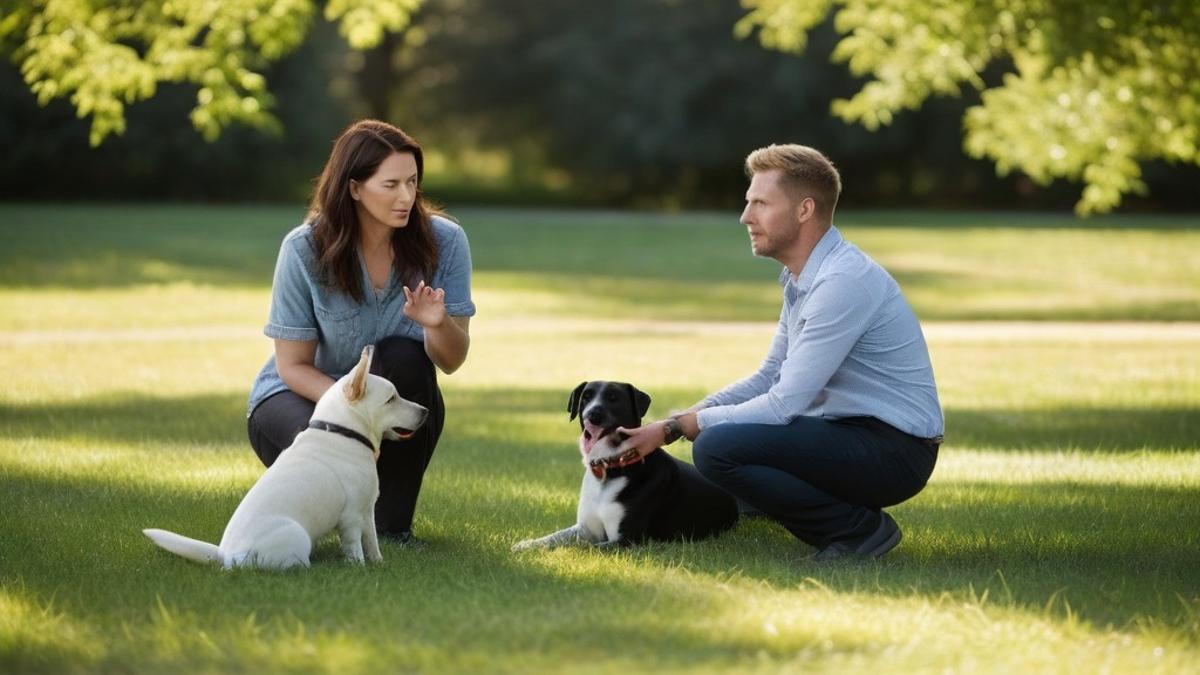
When it comes to Obedience Training for Pets, the benefits extend far beyond basic commands. From preventing accidents to reducing stress-related illnesses, structured training plays a critical role in pet safety training and long-term wellness. Below is a breakdown of the core elements every pet owner should understand before diving deeper into home pet training tips.
| Category | Impact on Safety & Health |
|---|---|
| Recall Commands | Prevents dangerous escapes near roads or hazardous areas |
| Leash Manners | Reduces injury risk during walks and vet visits |
| Impulse Control | Lowers anxiety, minimizing stress-induced health issues |
| Socialization Drills | Prevents aggressive incidents with people or other animals |
Understanding the importance of pet obedience becomes clearer once you see how each category directly correlates with fewer emergency vet trips and calmer household dynamics.
SEE ALSO: Puppy Socialization Tips: Ensuring Proper Behavior from the Start
Beyond Accident Prevention: The Physical and Mental Health Connection
While avoiding hazards is the most visible benefit, the health benefits of obedience training extend much deeper into an animal’s overall wellbeing. Veterinarians across Port Harcourt and Ibadan increasingly point to a link between structured training and reduced stress-related illnesses in dogs and cats. Anxiety, much like in humans, manifests physically in animals through digestive problems, excessive shedding, and compulsive behaviors such as tail-chasing or persistent licking.
A pet that understands boundaries and commands typically experiences lower cortisol levels, the hormone directly tied to stress. This is not merely anecdotal; animal behaviorists have long observed that structured environments create a sense of predictability that calms the nervous system. In households where multiple dogs or cats compete for space and attention, this calming effect can prevent aggressive flare-ups that sometimes result in injury.
Consider the typical Nigerian compound where a family dog shares limited territory with children, visitors, and sometimes livestock. Without clear boundaries, tension builds quietly until it erupts, often at the worst possible moment. Trainers working in Lagos suburbs have documented cases where previously reactive dogs became noticeably calmer within weeks of consistent command practice, suggesting that mental discipline and physical calmness are more intertwined than most pet owners assume.
There is also a social dimension worth noting. Pets that respond reliably to commands tend to integrate more smoothly into extended family settings, a common arrangement in many Nigerian homes where grandparents, cousins, and house help all interact with the same animal daily. Reduced unpredictability means fewer accidental provocations and, by extension, fewer stress-induced health episodes.
Weight Management and Physical Fitness Through Structured Routines
Obesity remains an underappreciated problem among pets in Nigerian homes, particularly for dogs confined to small compounds with limited exercise. Obedience Training for Pets often incorporates physical activity disguised as discipline—commands like “come,” “heel,” and “sit” repeated across a yard naturally build stamina and burn calories.
Clinics in Abuja have reported that dogs enrolled in regular training sessions tend to maintain healthier body weights compared to untrained counterparts left to lounge indoors. This matters because excess weight in pets contributes to joint problems, diabetes, and cardiovascular strain, conditions that are costly and difficult to manage in a country where specialized veterinary care can be scarce outside major cities.
Beyond the compound, structured walks double as informal cardiovascular workouts for owners too, creating a shared health incentive that many households overlook. A short but consistent thirty-minute walk incorporating heel and stop commands can be more effective than an hour of unstructured, chaotic play, since the repetitive discipline keeps both pet and owner engaged without exhaustion setting in prematurely.
Practical Steps Nigerian Households Can Start Today
Implementing pet safety training does not require expensive equipment or professional trainers flown in from abroad. Several accessible strategies have proven effective:
- Establishing a fixed feeding schedule paired with a “wait” command before meals
- Practicing short leash walks around the compound to reinforce calm road behavior
- Using hand signals alongside verbal cues for pets with hearing sensitivities common in older animals
- Rewarding quiet behavior during generator noise or thunderstorms to reduce noise-related anxiety
- Introducing crate or designated resting spaces to give pets a secure retreat during household chaos
These home pet training tips require patience rather than money, making them realistic for families across different income brackets. Trainers in Kano have noted that consistency, more than intensity, determines success; a pet practicing commands for ten minutes daily often outperforms one trained sporadically for hours once a week.
Some owners have also found success incorporating local household routines into training, such as associating the sound of a mortar and pestle or a market vendor’s call with calm-sit exercises, turning everyday noise into training opportunities rather than sources of alarm. This approach not only builds obedience but also desensitizes pets to the unpredictable soundscape typical of Nigerian neighborhoods.
Ultimately, the connection between structured learning and physical resilience reinforces why the importance of pet obedience should not be dismissed as a cosmetic trait reserved for competition animals. It is, increasingly, being recognized as a measurable contributor to longevity and reduced veterinary bills, prompting more households nationwide to treat basic training as a health investment rather than an optional luxury.
SEE ALSO: Obedience Training: The Key to Your Pet’s Safety and Health at Home and During Travels
Rethinking Obedience as a Foundation for Lifelong Wellbeing
Across this discussion, one theme surfaces repeatedly: Obedience Training for Pets is not a luxury reserved for show dogs or households with spare time. It is a practical safeguard that touches nearly every aspect of an animal’s daily existence, from avoiding open gutters in Enugu compounds to managing stress during noisy Lagos traffic hours.
The evidence gathered from veterinarians, behaviorists, and trainers across Nigerian cities points to a consistent pattern. Pets exposed to structured commands experience fewer injuries, lower stress markers, and better physical conditioning than those left without guidance. This is not a coincidence but a reflection of how predictability shapes an animal’s nervous system and daily choices.
What makes this topic worth revisiting is how affordable the solutions truly are. Home pet training tips discussed earlier, such as fixed feeding routines and short daily walks, cost nothing beyond time and patience. Yet their impact on long-term health outcomes rivals interventions that many families assume require expensive veterinary programs.
There is also a broader public health angle worth considering. As more Nigerian households adopt dogs and cats for companionship or security, untrained pets contribute to a rising number of preventable bite incidents and road accidents involving animals. Addressing this through consistent training could reduce strain on already limited veterinary and emergency resources in many states.
Looking ahead, the importance of pet obedience may extend beyond individual households into community-wide benefits, including safer streets and fewer conflicts between neighbors over stray or reactive animals. Pet owners who invest early in pet safety training are essentially building a buffer against future medical bills, behavioral crises, and preventable accidents.
Understanding how training helps pets reframes obedience not as control for its own sake, but as a foundation for trust, calmness, and physical resilience. For Nigerian families balancing tight schedules and modest budgets, this remains one of the most cost-effective health investments available for the animals sharing their homes.

Beatriz
Beatriz Johnson is a seasoned pet care expert and writer with a passion for simplifying the complexities of pet ownership and animal well-being. With over a decade of experience in the field, she specializes in topics like pet nutrition, training techniques, and health care. Through her work on our website, Beatriz empowers pet owners to make informed decisions and provide the best possible care for their furry friends, ensuring happy and healthy lives for their beloved companions.