
The Importance of Identification and Microchipping for Pet Safety
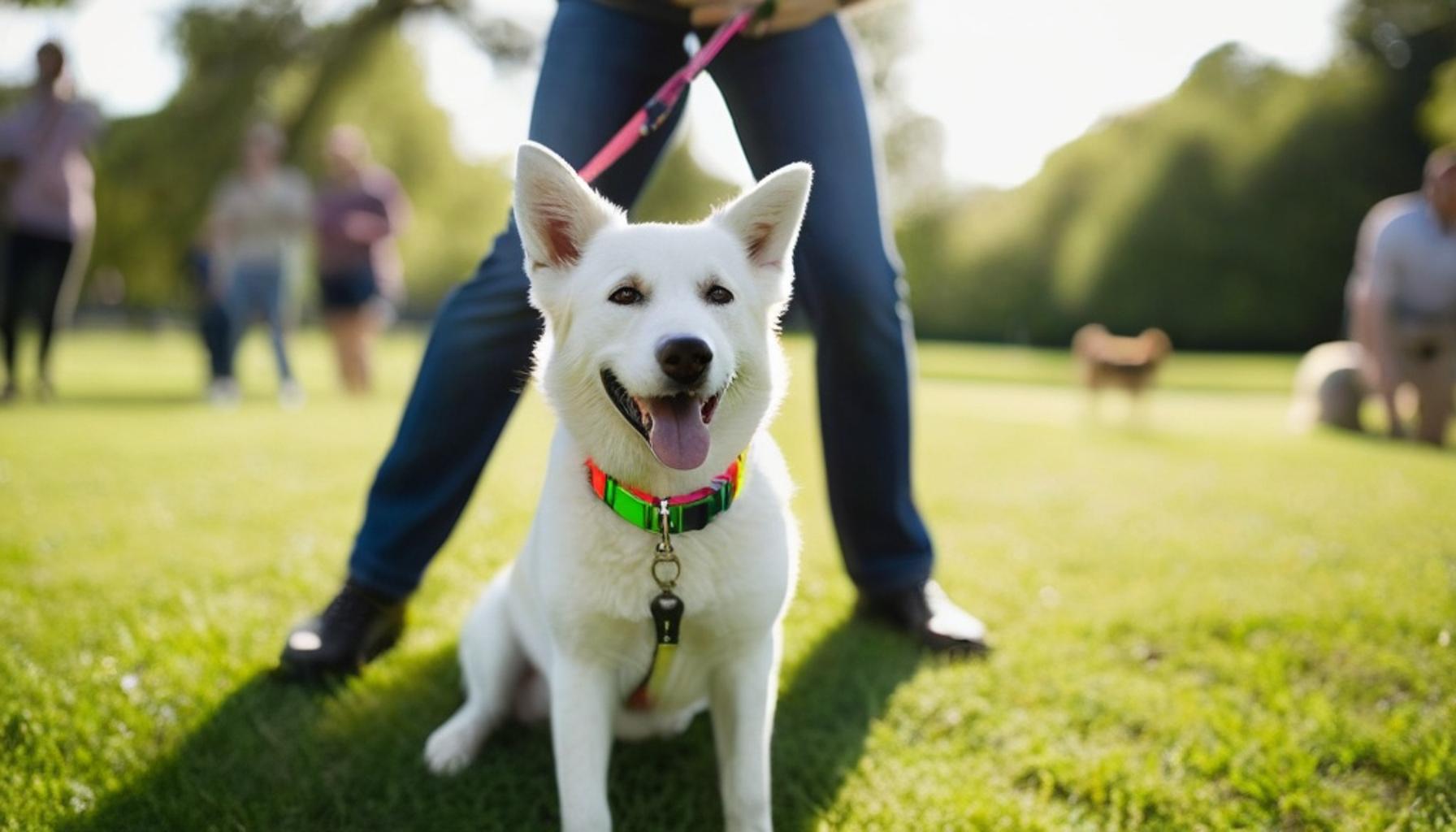
The Growing Reality of Lost Pets in Nigeria
Anyone who has spent time in Lagos traffic knows how quickly chaos can unfold, and pets caught in that chaos rarely fare well. A sudden burst of fireworks during Owambe celebrations, a gate left open by a visiting relative, or a market day crowd in Onitsha can all trigger panic in an animal unfamiliar with sudden change. Once a pet bolts, the odds of finding it again without proper identification are grim. Many Nigerian families discover this the hard way, spending weeks posting flyers on estate gates or asking neighbors if they have seen their missing dog or cat.
This is precisely why Pet Safety Identification Microchipping has started gaining traction among veterinarians in cities like Ibadan, Enugu, and Kano. Unlike a collar that can slip off during a scuffle with a stray, or a tag that fades after months of exposure to Nigeria’s harsh sun and rain, a microchip remains embedded and functional for the animal’s entire life. It requires no batteries, no charging, and no maintenance once inserted, making it a low-effort, high-reward investment for pet owners juggling busy schedules.
Breaking Down Pet Identification Methods
Before microchipping became widely discussed, most Nigerian pet owners relied on simpler tools. Collar tags engraved with phone numbers remain popular, largely because they are cheap and easy to obtain from local pet shops. Tattooed identification numbers, though less common now, were once used by some breeders for tracking lineage and ownership. GPS-enabled collars have also entered the market, appealing to owners who want real-time location tracking, though the cost and need for consistent charging make them less practical for everyday use.
Each method carries its own strengths and weaknesses, but none matches the permanence that microchipping provides. The importance of pet microchipping becomes clear when you consider scenarios where a collar is removed, either by the pet itself or by someone with bad intentions. A microchip, inserted just beneath the skin, cannot be tampered with or lost, offering a level of security that external identifiers simply cannot replicate.
What Nigerian Pet Owners Stand to Gain
The benefits of microchipping pets extend beyond a single reunited family. Shelters across Nigeria, particularly in urban centers, often deal with overcrowding caused by unclaimed animals. When microchipped pets are brought in, staff can quickly scan and identify the owner, freeing up space and resources for animals that genuinely need rehoming. This creates a ripple effect that benefits the broader pet community, not just individual households.
For those wondering how to microchip your pet, the process is straightforward and typically handled by a licensed veterinarian in a quick, minimally invasive procedure. Following this step with practical pet safety tips Nigeria experts recommend, such as updating contact details regularly and pairing the chip with a visible collar tag, gives pets the strongest possible safety net against the unpredictability of daily life.
YOU MAY ALSO LIKE: The Importance of Balanced Nutrition and Exercise for the Health and Well-Being of Pets
# How Microchipping Works and Why It Matters for Nigerian HouseholdsUnderstanding the mechanics behind Pet Safety Identification Microchipping helps demystify a process that many Nigerian pet owners still approach with hesitation. A microchip is roughly the size of a grain of rice, containing a unique identification number that links to a database holding the owner’s contact information. Once scanned by a shelter, veterinary clinic, or animal control officer, that number pulls up details almost instantly, provided the database has been kept current.The insertion procedure itself takes only a few minutes and causes minimal discomfort, comparable to a routine vaccination. Veterinarians in cities like Abuja and Port Harcourt have reported growing demand for this service, especially among owners of exotic breeds or pets purchased at significant cost. For a Rottweiler puppy bought for hundreds of thousands of naira, the small investment in microchipping makes practical sense when weighed against the risk of permanent loss.Beyond the initial procedure, there is an often-overlooked step that determines whether the entire exercise succeeds or fails: registration. A microchip is only as useful as the information attached to it. Many pet owners across Lagos and Kano have discovered, sometimes too late, that a chip implanted years earlier still carries an old phone number or a previous address. This gap between implantation and proper registration explains why some reunions never happen despite the technology working exactly as intended. Owners are encouraged to treat database updates the same way they would treat renewing a phone line, as a small task with outsized consequences.
Comparing Pet Identification Methods Available Locally
Nigerian pet owners currently have access to several identification options, each suited to different budgets and lifestyles. Knowing the distinctions matters when deciding which combination offers the strongest protection.
- Collar tags: Affordable and visible, but prone to fading, breaking, or falling off during rough play or escape attempts.
- GPS collars: Useful for real-time tracking but require charging and can be expensive to maintain over time.
- Tattoos: Once common among breeders, though they can fade or become difficult to read as the pet ages.
- Microchips: Permanent, tamper-proof, and unaffected by weather conditions or physical wear, making them the most reliable long-term solution.
This comparison highlights why many veterinary professionals now recommend microchipping as a foundational layer of protection, supplemented by a visible tag for quick identification by anyone who finds a wandering pet. A neighbor who spots a lost dog near a compound gate in Enugu is far more likely to act quickly on a phone number printed on a tag than to seek out a scanning device, which makes the layered approach practical rather than redundant.
Cost remains a factor worth mentioning honestly. Microchipping services in major Nigerian cities typically range from a few thousand naira upward, depending on the clinic and whether registration fees are included. When placed against the emotional and financial toll of losing a pet, particularly one acquired through international breeders or long waiting lists, the expense appears modest by comparison.
Real Consequences of Skipping Identification
Data from animal welfare organizations globally suggests that pets without any form of identification are significantly less likely to be reunited with their families, sometimes with return rates below 20 percent. In contrast, microchipped pets see considerably higher reunification rates, often exceeding 50 percent when databases are properly maintained.
For Nigerian households navigating unpredictable environments, from bustling markets to gated estates with frequent visitor traffic, these figures underscore a simple truth: identification is not optional. It is a practical safeguard against a risk that many owners underestimate until it happens to them.
As more veterinary clinics across the country begin offering microchipping alongside routine checkups, awareness continues to spread through word of mouth and social media groups dedicated to pet owners. Whether this trend accelerates into a nationwide standard or remains concentrated in urban centers may depend on how affordable and accessible the technology becomes in the coming years, a question worth watching closely.

CHECK OUT: The Importance of Prevention: Health and Vaccination Tips for Pets
# Building a Practical Framework for Everyday Pet ProtectionTurning awareness into action requires more than knowing that Pet Safety Identification Microchipping exists. Nigerian pet owners need concrete steps, and understanding what happens after a pet goes missing reveals why preparation matters more than reaction.
What Happens When a Pet Goes Missing
Consider a scenario familiar to many households in Ibadan or Benin City: a gate left open during a delivery, a curious puppy slipping through, and hours of frantic searching that follow. Without identification, the search depends entirely on luck, word of mouth, and how far the animal wanders before someone notices it. Neighbors may spot the animal but have no way to connect it back to its rightful home, leaving the pet to wander further into unfamiliar territory.
With a registered microchip, the equation changes. Animal control officers and veterinary clinics across Nigeria increasingly own handheld scanners capable of reading chip data within seconds. This single detail explains why the importance of pet microchipping extends beyond sentimental value into measurable, time-sensitive outcomes during the critical first 24 to 48 hours after a pet disappears. Statistics from animal welfare organizations abroad consistently show that microchipped pets are reunited with their owners at significantly higher rates than those relying solely on collars, which can slip off or become damaged during the animal’s attempt to escape confinement or navigate through bushes and fences.
Practical Steps for How to Microchip Your Pet
Owners considering this step often ask what the process actually involves from start to finish. The sequence is straightforward, though each stage carries its own importance:
- Consult a licensed veterinarian: Clinics in Lagos, Abuja, and Port Harcourt now routinely offer this service alongside vaccinations, often bundling it into wellness packages for new puppies and kittens.
- Confirm the chip’s registration: Ensure the identification number is linked to an active database, not left dormant after implantation, since an unregistered chip provides no practical benefit despite being physically present.
- Update contact details after every move: A change of phone number or address should trigger an immediate database update, particularly relevant given how frequently Nigerian families relocate between cities for work or family reasons.
- Pair the chip with a visible tag: This combination covers both immediate recognition and long-term verification, giving anyone who finds the pet an instant way to make contact before formal scanning occurs.
Skipping any of these steps weakens the entire system, regardless of how advanced the microchip technology itself may be. A chip without registration is essentially inert, offering false reassurance rather than genuine protection.
Additional Pet Identification Methods Worth Considering
Beyond microchips and tags, some Nigerian households have started exploring supplementary pet identification methods that add another layer of security, particularly for families with multiple animals or large compounds where monitoring every gate and fence line becomes challenging.
- Photo documentation: Regularly updated photos help shelters and neighbors identify a lost pet accurately, especially useful for breeds with common markings that might otherwise cause confusion between similar-looking animals.
- QR code tags: These link directly to an online profile containing vaccination records and owner contact information, offering a modern alternative to printed text that anyone with a smartphone can scan instantly.
- Registered breed societies: Some purebred dog owners in Nigeria register their pets with breed clubs, creating an additional record trail beyond veterinary databases, which can prove useful when disputes over ownership arise.
Weighing the Benefits of Microchipping Pets Against Common Myths
Misconceptions still circulate, particularly claims that microchips allow real-time tracking similar to GPS devices. This is inaccurate. Chips only store identification data and activate upon scanning, meaning they do not broadcast location signals continuously. Clarifying this distinction helps owners set realistic expectations while still recognizing the benefits of microchipping pets as a passive but highly reliable safety net rather than an active surveillance tool.
For households balancing multiple priorities, from school fees to household expenses, understanding exactly what this investment does and does not provide allows for better-informed decisions rather than assumptions based on rumor. This clarity also prevents disappointment when owners realize the chip cannot pinpoint a wandering pet’s exact whereabouts in real time.
Pet Safety Tips Nigeria Households Can Apply Immediately
Simple habits reinforce the value of identification systems already in place. Checking collar tags monthly, scheduling annual microchip scans during veterinary visits, and keeping a printed copy of registration details at home all reduce the chances of a preventable, prolonged separation from a beloved pet. Establishing these routines alongside neighborhood awareness ensures that identification systems function as intended when they matter most.
LEARN MORE: Caring for Senior Animals: Strategies to Ensure the Well-being of Older Pets
Securing a Safer Future for Nigeria’s Pets
The evidence gathered throughout this discussion points toward one clear conclusion: Pet Safety Identification Microchipping is no longer a luxury reserved for wealthy households or foreign pet cultures. It has become a practical necessity for any Nigerian family sharing a home with a dog, cat, or other companion animal that could wander beyond a compound wall.
From understanding the importance of pet microchipping during those critical first hours after a pet disappears, to exploring supplementary pet identification methods like QR tags and photo records, the message remains consistent. Preparation before a crisis matters far more than improvisation during one.
Turning Knowledge Into Lasting Habits
Understanding how to microchip your pet is only the beginning. The real value emerges when registration stays updated, when tags remain visible, and when routine veterinary visits include a quick scan to confirm everything still functions correctly. These small, consistent actions transform a one-time procedure into an ongoing safety system.
The benefits of microchipping pets extend beyond individual households too. As more clinics in cities like Kano, Enugu, and Ilorin adopt scanning technology, entire communities build a shared infrastructure for reuniting lost animals with their owners, reducing the burden on shelters and animal welfare volunteers.
Ultimately, adopting practical pet safety tips Nigeria households can rely on, from monthly tag checks to keeping printed registration records, closes the gap between good intentions and genuine protection. Pets cannot speak for themselves when lost, but a properly registered chip and a visible tag can speak on their behalf.
For every Nigerian pet owner still weighing whether this investment is worthwhile, the growing body of evidence suggests the question is no longer if identification matters, but how soon they will act on it.
Frequently Asked Questions
Where in Nigeria can I get my pet microchipped for better pet safety identification?
Veterinary clinics in major cities like Lagos, Abuja, and Port Harcourt now offer microchipping services, often alongside routine vaccinations. It’s best to call ahead to confirm the vet has the chip and scanner equipment in stock, as availability can vary outside big cities. Some animal welfare organizations also run periodic microchipping drives at reduced costs.
How much does pet microchipping typically cost in Nigeria?
Microchipping costs in Nigeria generally range from ₦5,000 to ₦15,000 depending on the clinic and location, with Lagos and Abuja clinics often at the higher end. This is usually a one-time cost since microchips last the pet’s lifetime, unlike collar tags that may need replacing. Some vets bundle it with registration or health check packages for better value.
Is a collar tag enough, or do I really need microchipping for pet safety in Nigeria?
Collar tags are useful for immediate visual identification but can fall off, get damaged, or be removed, especially given Nigeria’s busy urban environments and occasional pet theft concerns. Microchipping provides a permanent backup that survives even if your pet loses its collar during an escape or accident. For maximum pet safety, using both identification methods together is the most reliable approach.
What happens if my microchipped pet goes missing in a Nigerian city like Lagos or Abuja?
If your microchipped pet is found and taken to a vet clinic or shelter with a scanner, staff can scan the chip to retrieve your contact details from the registry and reach you directly. This significantly increases the chances of reunification compared to relying solely on physical tags, which are easily lost in crowded urban areas. It’s crucial to keep your registered phone number and address updated with the microchip provider for this system to work effectively.
Does microchipping hurt my pet, and is it safe for local Nigerian dog and cat breeds?
Microchipping involves a quick injection similar to a routine vaccine, causing only brief discomfort that most pets tolerate well without sedation. It is safe for all breeds, including local Nigerian dogs and cats, and does not interfere with their health or behavior afterward. The procedure takes just a few minutes and can typically be done during a regular vet visit.

Beatriz
Beatriz Johnson is a seasoned pet care expert and writer with a passion for simplifying the complexities of pet ownership and animal well-being. With over a decade of experience in the field, she specializes in topics like pet nutrition, training techniques, and health care. Through her work on our website, Beatriz empowers pet owners to make informed decisions and provide the best possible care for their furry friends, ensuring happy and healthy lives for their beloved companions.